Soccer on Tuesday. Piano on Wednesday. A birthday party Saturday morning, hockey Saturday afternoon, and somewhere in there you promised your youngest a trip to the science centre. If your family calendar looks anything like that, you already know the problem with kids activities Toronto families sign up for: there are more good options than there are hours in a week.
Swimming often becomes a casualty. It gets pushed to next season, then the season after that, until your child is nine years old and still uncomfortable putting their face in the water. The three steps below will help you fit lessons into a busy schedule without stripping the joy out of everything else your family loves doing.
Why Your Calendar Fills Up So Fast
Too Much on Offer in a Kid-Friendly City
Toronto rewards families who like to stay busy. There are ravine trails, splash pads, museums, and family-friendly events running nearly every weekend of the year. Add a school with three after-school clubs and a community centre two blocks away, and the week fills itself.
Most families add activities one at a time without ever stepping back to look at the full picture. A single Saturday commitment feels harmless in September. By November you have four of them, plus travel time between each one.
Swimming Is Usually the First Thing Cut
When the schedule tightens, families cut whatever feels least urgent at the moment. That is almost always the skill-based programs with slower, quieter progress. Swimming lands in this category because a child does not come home from a lesson with a trophy or a jersey.
The gap that follows grows harder to close every year. Older kids who have skipped lessons feel more self-conscious about starting as beginners — our guide on overcoming fear of water covers how to help them through it — and lesson availability for their age group shrinks. Taking even a short break can slow your child's progress more than most parents expect.
Step 1: Rank Your Activities Before You Add Another
Questions to Ask About Every Commitment
Decide what each activity is actually doing for your child. Most family activities serve one of three purposes: a safety skill, a social outlet, or a passion your child would chase on their own. Run every program on your calendar through these questions:
- Does this teach a skill my child will use for the rest of their life?
- Would my child notice if we paused it for a season?
- How much driving does it cost the whole family each week?
- Does it work for kids of different ages, or does it only serve one child?
- Is there a version of this closer to home?
Once you answer those, the ranking sorts itself out. Swimming tends to move up, because it belongs to the safety category and the passion category at the same time. If you need help choosing the right swim program for your family, we have a guide for that too.
Where Swimming Lands on the List
We live in a country defined by water. Lake Ontario sits at the bottom of the city, cottage weekends run from May through October — making water safety before cottage season essential — and school trips, camps, and summer jobs all assume a baseline level of comfort in the water. Swimming is the most popular activity among Canadian children.
Drowning remains one of the leading causes of preventable death among young children in Canada, and swimming ability is the single largest factor a parent can influence. Every parent should know the basics of water safety.
There is also the practical side. A confident swimmer can join a camp with waterfront access, try a triathlon as a teenager, or work as a lifeguard at sixteen. Swimming also prepares kids for success in other sports by building coordination, endurance, and body awareness. Very few kids activities in Toronto open that many doors later on. There are compelling reasons every child should learn to swim — and the earlier they start, the better.
Step 2: Build a Weekly Schedule That Holds
Anchor the Week Around One Fixed Class
Pick your least flexible activity and build everything else around it. Swim lessons work well as that anchor because they run on consistent weekly time slots across all four seasons, which makes the rest of the week easier to arrange. Year-round lessons also help kids progress faster than seasonal stop-and-start schedules. Keep weeknights to two structured activities per child. A third almost always eats into homework, dinner, and sleep.
Stack Siblings of Different Ages
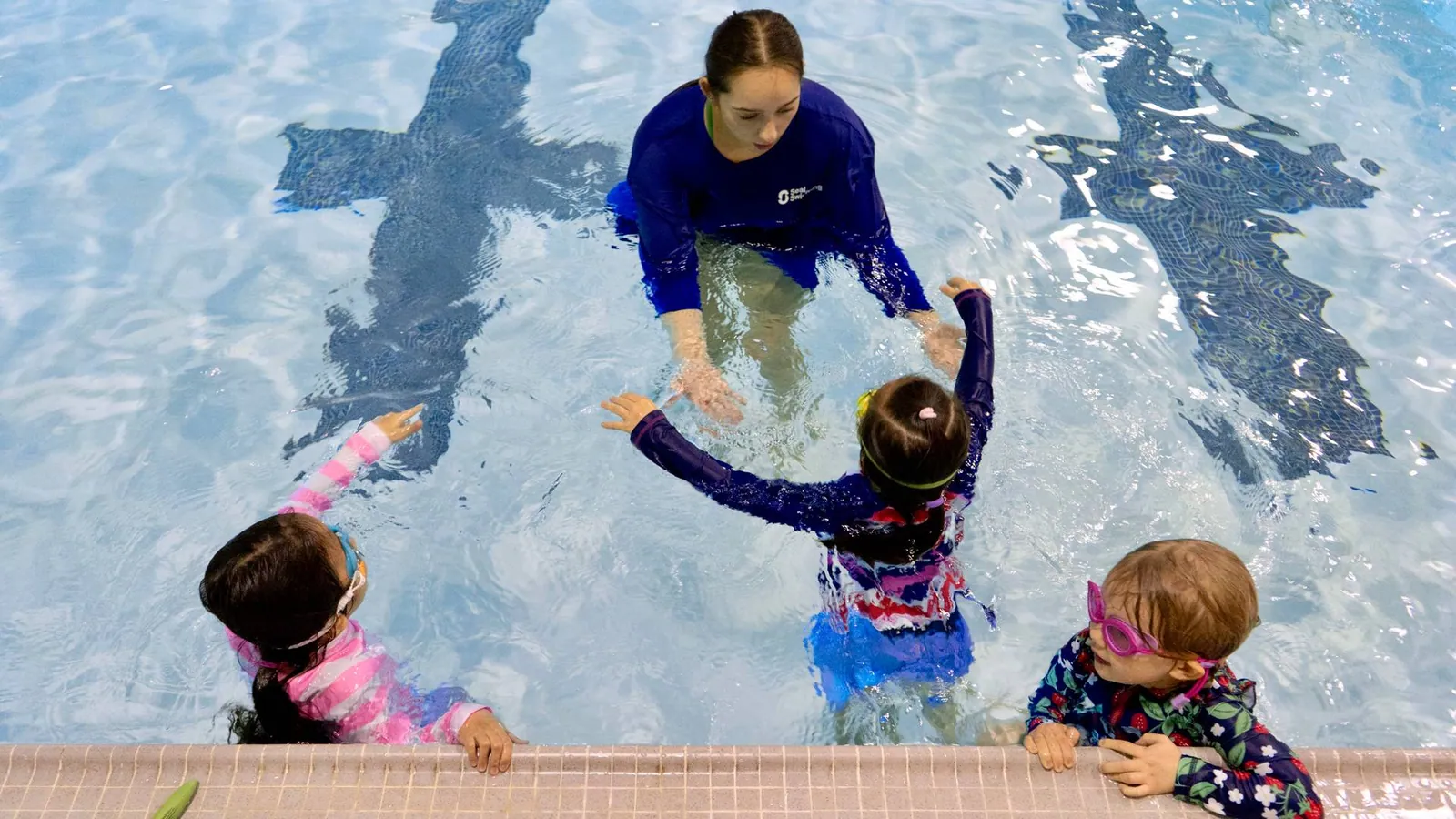
If you have more than one child, look for programs that can run side by side. A well-designed swim school groups swimmers by ability rather than strictly by grade, so a six-year-old and a nine-year-old can be in the water at the same hour in different classes. Understanding how swim levels work can help you figure out the right fit for each child.
That single change saves you two separate trips across the city every week. You sit down once, watch both kids from the deck, and drive home together.
Share the Driving With a Parent Swap System
The parent swap system is the oldest trick in the book, and it still works better than any scheduling app. Find two or three families from your child's class who live nearby and rotate driving duties. To keep it running past week three:
- Agree on a fixed rotation before the session starts, not week by week
- Put the whole schedule in a shared calendar everyone can see
- Confirm car seat and booster requirements up front
- Name one backup driver for sick days and snow days
- Keep a group chat for pool-deck updates and late arrivals
Three families splitting a ten-week session means you drive roughly three times instead of ten. That is seven evenings back.
Pick Locations by Travel Time
A program fifteen minutes away that you attend every week beats a program forty minutes away that you skip half the time. Map your commutes honestly before you commit to a session. Check out our pool locations across Toronto to find one near you.
Step 3: Protect Your Weekends for Family Fun
Keep One Day Loosely Open
Structured activities should leave room for the unstructured kind. Weekends are where families in Toronto with kids actually connect, and a calendar packed wall to wall removes that entirely.
Save at least one weekend day for fun family activities, whether that means a ferry ride with a view of the Toronto skyline, a morning at Riverdale Farm, a day trip out to African Lion Safari, or nothing more ambitious than a long walk and a bakery stop.
Use Toronto Summer to Reset
Toronto summer makes this easier. Beaches, free concerts, and neighbourhood festivals cost little and work for a whole family across different ages. Many parents use the warmer months to pause one or two structured programs while keeping swimming going, since summer is exactly when water skills get used. Preparing for summer with swimming lessons is one of the smartest moves a Toronto parent can make.
Watch for the Warning Signs
Kids rarely announce that they are overscheduled. They show it instead. Look for a child who complains about a program they used to love, falls asleep in the car on the way home, or resists getting ready every single week. When you see those signs, drop something. Choose the activity your child is least attached to and give the time back. Swimming builds confidence and independence precisely because it does not feel like pressure — it is one activity that should stay on the list.
Where Seal Swimming Fits Into Your Week
Seal Swimming provides swimming lessons and aquatics leadership courses to swimmers across Toronto. The goal is to help every swimmer reach their personal potential and build a lifelong love of the water, through training delivered in a fun, safe, and rewarding environment.
For families working around a full calendar, the structure matters:
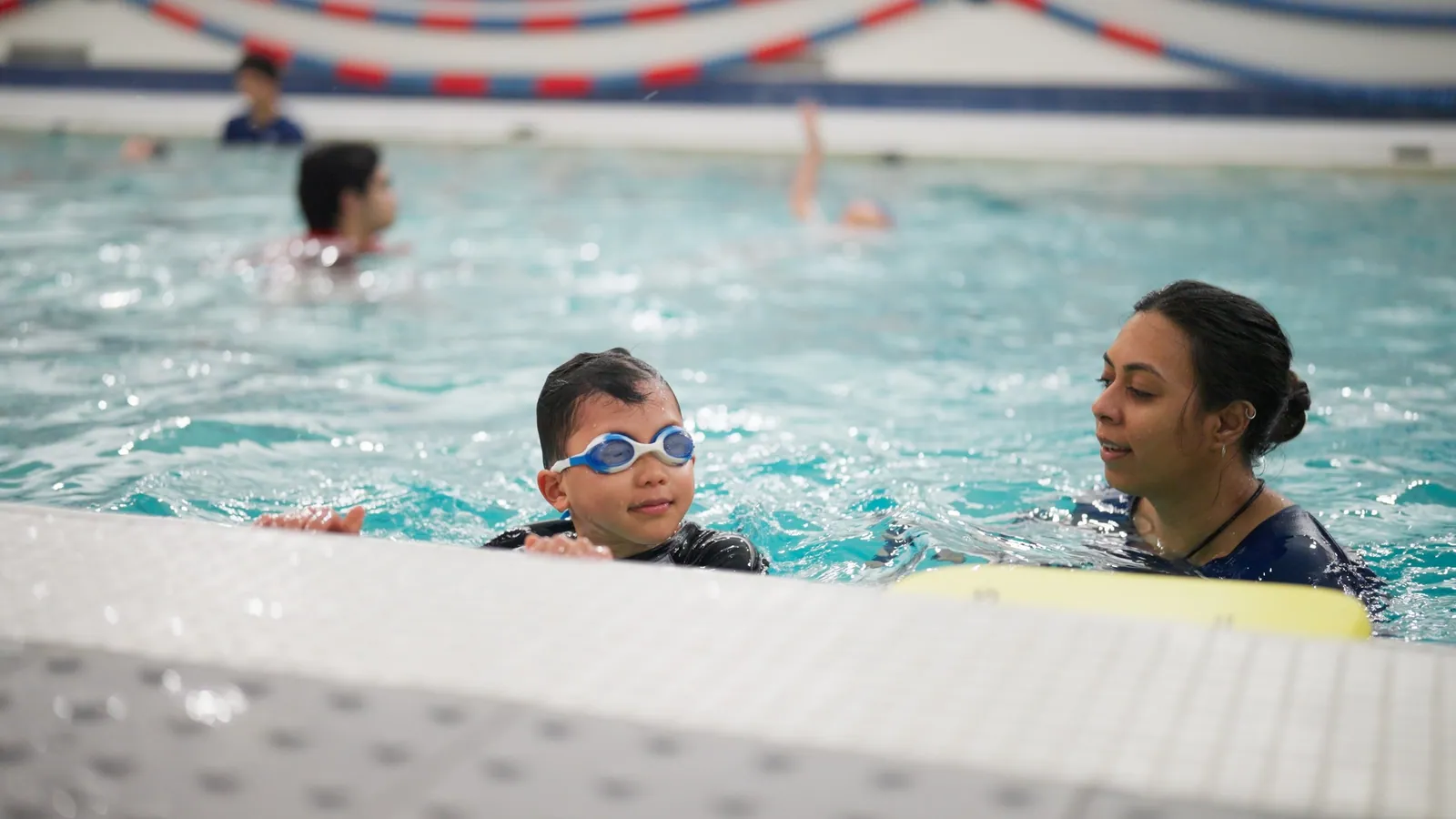
- Small class sizes. Group classes run with a maximum of five swimmers per coach, and private lessons are offered at 1:1 and 1:2 ratios.
- A clear pathway. Kids swim lessons follow a progressive nine-level program for ages 3 to 12, covering freestyle, backstroke, breaststroke, and water safety.
- Programs for every age. Baby and caregiver classes start at a few months old, parent and tot classes run from ages 2 to 4, and teen and adult classes cover everyone from nervous beginners to triathlon hopefuls.
- A next step for committed swimmers. Swim Squads offer pre-competitive training for ages 11 to 17, built to bridge learn-to-swim and competitive club training without the pressure of an elite club.
- Year-round heated pools at locations across Toronto, plus Lifesaving Society certifications from Bronze Medallion through National Lifeguard for older kids ready to work.
Explore our programs to see where your child fits, and book a swim assessment if you are unsure which level to start at. Once you have a class time, claim that one fixed hour a week on the family calendar. That hour is all it takes to close the gap.