The patios are open, the kids are restless, and your group chat is already buzzing about the next long weekend at the lake. Cottage season in Canada is right around the corner, which means you have a small window to think about water safety in Toronto before your family is standing on a dock.
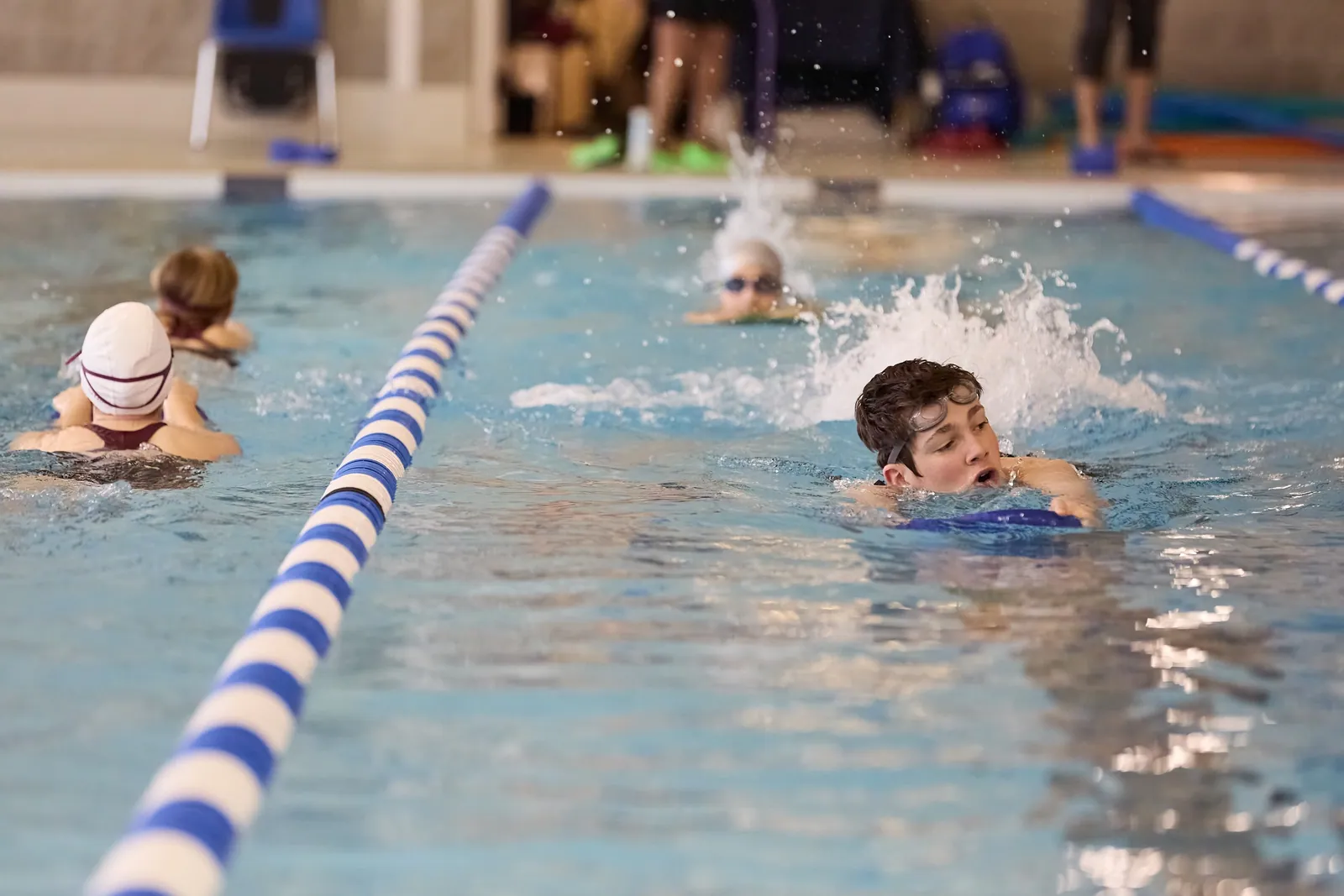
That window matters. The skills your child carries to the cottage start with the swim lessons they take here at home, in heated pools with certified swim teachers.
Whether you're planning trips to Muskoka, weekends along Lake Ontario, or afternoons at Toronto's beaches, now is the time to think carefully about what your child can actually do in the water, and what they still need to learn before the swimming season hits full swing.
Why Lake Water Feels Different From Pool Water
Most kids in the Greater Toronto Area learn to swim in pools, and that's exactly the right place to build the foundation.
Pools give your child clear water, consistent depth, and certified swim teachers right there with them. The skills they pick up transfer directly to open water, which is why pool-based lessons are the smartest starting point for any family planning summer adventures.
That said, open water does feel a little different. Lake Ontario, cottage lakes, and designated swimming areas around Toronto Harbour have murky visibility, varying depths, and gentle currents that your child won't see in a pool. The stronger their pool skills, the smoother that transition goes, and the more confidence they carry into every summer swim.
The Skills Your Child Should Have Before Swimming Season
Every family's situation looks a little different, but there are baseline abilities that significantly reduce drowning risk for children at the lake or the beach. If your child cannot do these things yet, the weeks leading up to summer are a good window to focus on them:
- Comfortable submerging the face and opening eyes underwater: Lake water often surprises kids who have only swum in pools. Practicing face-in-the-water skills builds tolerance for that unfamiliar sensation.
- Floating on the back independently for at least 30 seconds: Back floating is one of the most useful survival skills any child can learn. A tired or scared swimmer can rest on their back and breathe.
- Treading water for one to two minutes: Many cottage docks and beaches lead straight into water over a child's head. Treading water buys time and reduces panic.
- Swimming 10 to 15 metres on the front with rhythmic breathing: Distance matters at the lake. Your child should be able to cover ground if they need to get back to the dock or the shore.
- Rolling from front to back and back to front: A tired swimmer can recover their breath without needing to stand up.
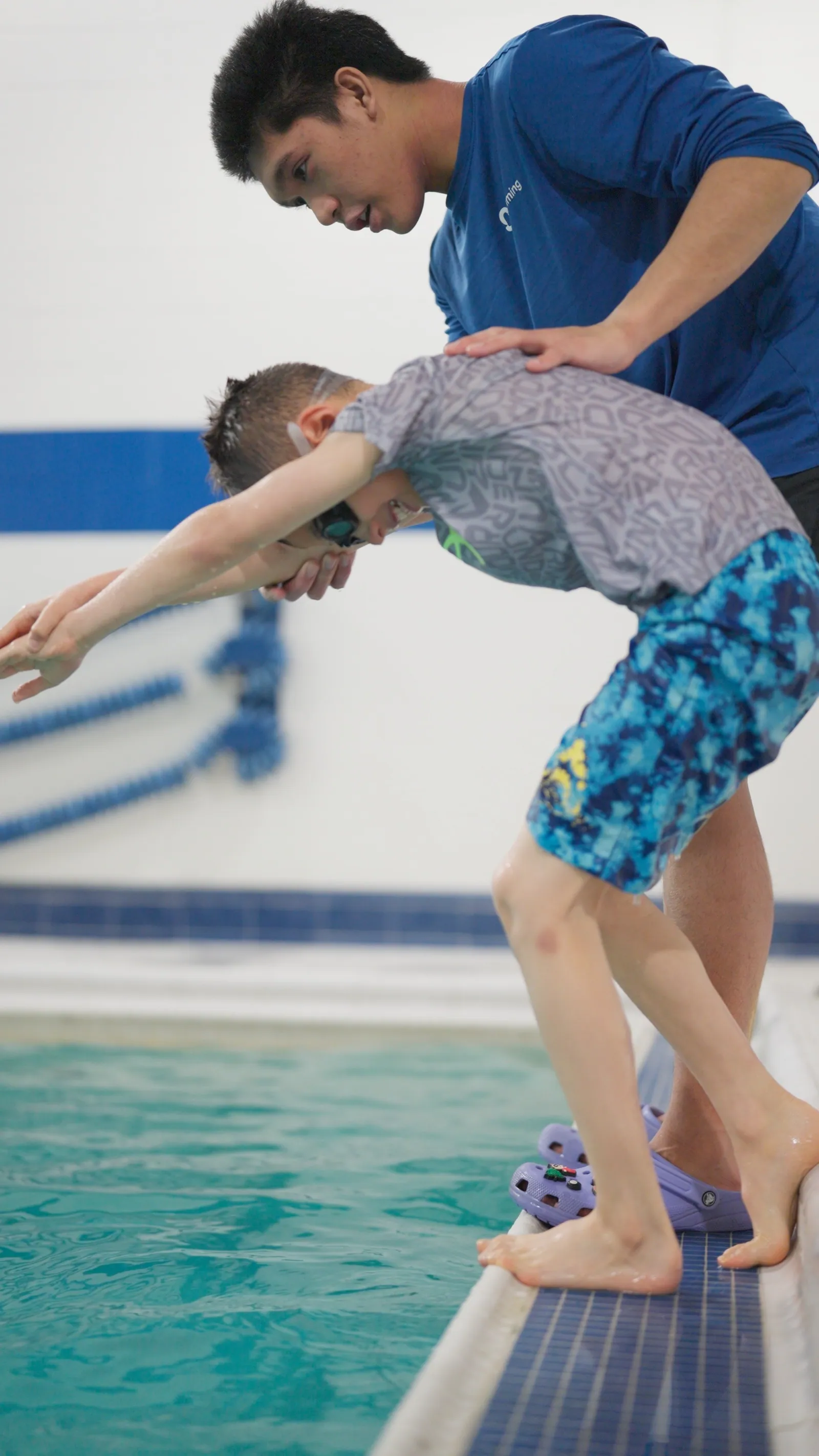
- Entering and exiting the water safely: Jumping in feet first, then turning to find the exit point. Lakes rarely have ladders where you need them.
If your child has been working through programs at Seal Swimming, your swim teacher can tell you exactly where they are on this checklist. Our small class sizes mean we know each swimmer's strengths, gaps, and progress in real terms, which is why families across the Toronto community keep coming back to us every season.
What Parents Should Be Doing Differently at the Lake
Adult supervision at the cottage or beach looks different from supervision at a public pool. There may be no lifeguards on duty, especially at private docks. There are usually distractions: other families arriving, food being prepared, drinks being poured, and older kids wanting attention.
The simplest rule that works for most families is the designated water watcher system. One adult is in charge of watching the swimmers, with no phone, no book, no conversation pulling their focus. They watch for 15 to 20 minutes, then hand off to another adult. According to the Canada Safety Council, drowning is a leading cause of preventable injury and death in children under 10.
A few more habits that keep your family safe around water:
- Life jackets for non-swimmers and weak swimmers, every time: Not water wings, not pool noodles. A properly fitted, Transport Canada-approved personal flotation device.
- Check the weather forecast before you go: Wind picks up quickly on Lake Ontario and on cottage lakes. Storms can roll in faster than you expect. If thunder is in the area, everyone gets out of the water.
- Pay attention to water quality reports: The City of Toronto posts daily updates on the water quality of Toronto's beaches throughout the summer. If a beach is flagged for high bacteria levels, find a different spot.
- Stick to designated swimming areas when possible: These spots are chosen because they are safer for families and children. Toronto Harbour has plenty of areas that look swimmable but aren't.
- Teach kids to swim parallel to the shore if caught in a current: Swimming directly back to the beach against a current exhausts even strong swimmers. Swim parallel until you're free of it, then angle back in.
- Boats and swimmers stay separate: When the boat is running, kids are out of the water.
- Don't forget sunscreen: Reapply every two hours and after every swim. Sunburn on day one of a cottage trip ruins the rest of the weekend.
- Be ready for cold water shock: Even in July, deep lake water in Canada can be cold enough to trigger a gasp reflex in younger swimmers. Let them ease in.
Why Booking Toronto Swim Lessons Early Is Smart Timing
Spring is the busiest stretch for swim schools across Toronto, and getting ahead of the rush makes all the difference for your family's summer plans.
Spring Spots Fill Fast
Parents start thinking about the cottage, realize their kids haven't been in a pool since last August, and start looking for spots. By the time summer arrives, most of the popular class times are full. Booking early means you actually get the schedule that works for your family.
What Seal Swimming Offers
At Seal Swimming, we run lessons year-round at our locations in Scarborough, North York, and Guildwood. Pools are heated, swim teachers are certified, and class sizes stay small so kids get real attention.
If your child has fallen out of practice over the winter, a refresher block of lessons can quickly rebuild their water confidence. Most kids regain lost ground within a few sessions, especially with focused feedback from swim teachers who know what to look for.
Finding the Right Class for Your Child
For babies and younger swimmers, our parent and tot classes are a great way to introduce water comfort before any summer trips. For kids who already swim but need sharper open-water readiness, our group lessons can focus on the specific skills that matter most for lake swimming and water sports like paddleboarding, kayaking, or tubing.
You can find current class openings here. If you're not sure what level your child should join, our Swim Assessment tool is a quick way to figure it out, or you can email our team, and we'll help place them properly.
Seal Camps
If you're looking for more than weekly lessons, our Seal Camps are a great fit for kids ages 4 to 14. Swim Camp sits at the heart of the program, with daily pool time focused on stroke technique, water confidence, and safety skills taught by certified coaches.
Parents can pair Swim Camp with sports, creative arts, or leadership programs at the same location, so each child's day reflects what they actually love doing.
With small camper-to-staff ratios and a focus on building skills that carry into the lake, Seal Camps are a smart way to keep your child progressing all summer long. You can find session details and registration on our Seal Camps page.
What If Your Child Is Afraid of the Water?
This comes up every spring. A parent emails us about an upcoming cottage trip and mentions their child is nervous about deep water, had a scary experience last summer, or has never really learned to swim properly.
Fear of water is one of the most common reasons families come to Seal Swimming, and it's absolutely something kids can work through with the right approach.
Our swim teachers are trained to meet swimmers where they are. We don't push kids into situations they aren't ready for. Instead, we build trust gradually, work on individual fears, and celebrate small wins until those wins add up to real skill.
If your child is nervous about lake swimming, the worst thing to do is hope they'll sort it out when they get there. The best thing to do is give them structured, supportive swim lessons in the weeks leading up to the trip, so they arrive with skills they can rely on.
Getting Your Family Ready for Summer in Toronto
A few weeks of focused swim lessons before cottage season can change the entire feel of your summer. Instead of hovering anxiously at the dock, you can actually enjoy being there. Your child can play, splash, and explore the water with confidence that comes from real preparation. That's the kind of fun every Canadian family deserves.
If you want to talk through what your child needs or find a class that fits your schedule before the first long weekend, our team is happy to help. Reach out through our website or stop by one of our Toronto locations to see the pool in person.
Your child deserves to feel at home in the water, whether that's in a heated pool in Scarborough or a quiet bay up north, and we're here to help them get there.
Explore our swimming lessons!