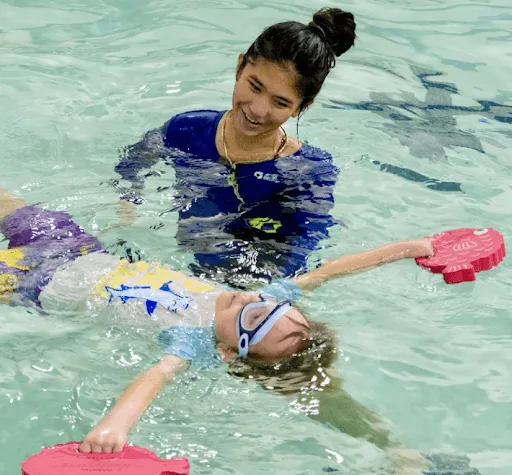
If your child has been making real progress in the pool, it can feel harmless to pause for a few months. Maybe summer plans are packed, school schedules shift, or life just gets busy. A short break seems reasonable. However, what most parents don't realize is that even a few weeks away from swim lessons can set kids back significantly, and sometimes in ways that take longer to undo than the break itself.
This guide walks you through exactly what happens when children step away from a structured swimming class, and why year-round consistency is one of the most valuable things you can give your child as they learn to swim.
Swim Lessons Build Momentum That's Easy to Lose
Children develop swim skills in layers. Each new ability depends on the one before it. Floating leads to body positioning. Body positioning leads to propulsion. Propulsion leads to breathing coordination. Breathing coordination leads to stroke development, including front crawl, back crawl, breaststroke, and side breathing.
This sequential structure is intentional. Certified swim teachers at every quality swim school design their programs this way because that's how kids' brains and bodies actually process physical learning. When you pull a child out of lessons for a season and bring them back months later, they rarely pick up exactly where they left off. Instead, swim teachers often need to revisit earlier stages before any new progress can happen. That review period can take weeks, even for strong swimmers.
The result is that a break intended to "save time" often costs far more of it.
What Happens When Children Pause Swimming Classes?
Muscle Memory Fades Faster Than You'd Expect
Swimming is a full-body coordination activity. Kicking, arm movement, breathing timing, and body rotation all have to work together. When children aren't in the pool regularly, this coordination breaks down:
- Kicking efficiency drops as leg muscles lose their trained rhythm
- Arm patterns become less fluid and more effortful
- Breathing timing slips, which disrupts the whole stroke
Rebuilding that muscle memory takes time and repetition. Younger kids in particular, who are still wiring new motor patterns, can lose weeks of progress after just one or two months away from the pool.
Water Confidence Takes a Real Hit
This is the piece that surprises parents most. Water comfort isn't just a skill. It's a feeling. Young swimmers spend time in lessons building trust with their swim teacher, getting comfortable with submersion, gaining confidence in deeper water, and settling into pool routines. That emotional foundation is what allows them to try new things without freezing up.
A break disrupts all of that. Children who previously jumped in without hesitation may return to the pool nervous, reluctant, or even fearful. Some kids who had overcome early water anxiety re-develop it after a long gap. Consistency in a swim program is what builds and protects that confidence over time. Gaps quietly chip away at it.
Stamina Drops, and That Affects Motivation
Even kids who swim frequently in recreational settings (lakes, backyard pools, waterparks) don't maintain the same endurance as those in structured lessons. Swim school training develops specific physical capacity for sustained effort in the water. After a break, returning students often fatigue faster during class, which can knock their confidence and make lessons feel harder than they remember.
Routine and Listening Skills Reset
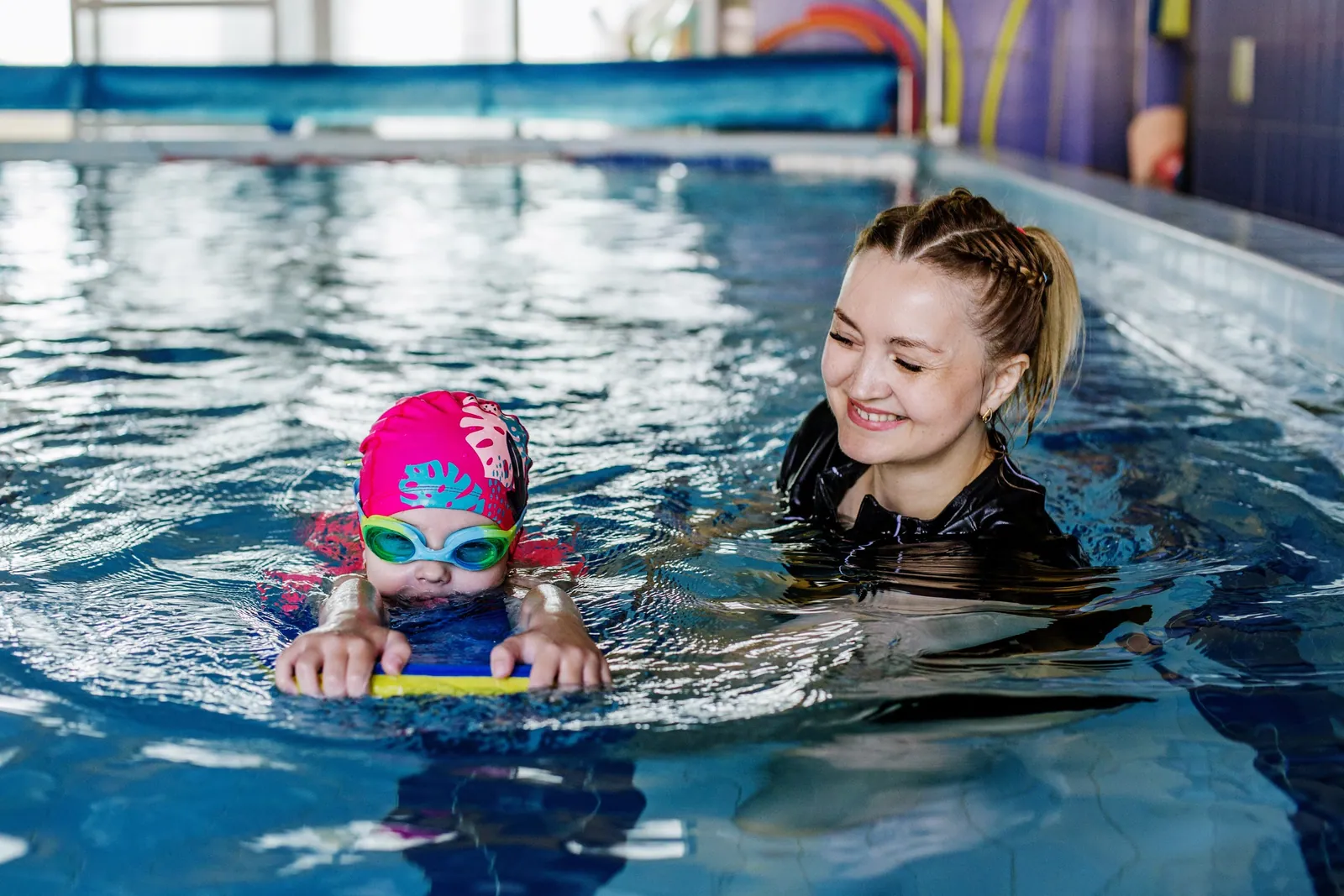
Swim lessons operate within structure and safety guidelines. Kids learn to wait their turn, listen for instructions, respond to safety cues, and follow pool rules. After time away, that rhythm feels unfamiliar again. Swim Teachers often have to re-establish classroom structure before any technical progress resumes, which takes time away from actual skill-building.
Progress Feels Slower
When children return after a break, they often compare their current performance to where they remember being. If skills feel harder, frustration can surface. Parents sometimes feel progress has stalled. In reality, swim teachers are rebuilding foundations to support long-term development. That rebuilding is necessary, but it lengthens the overall timeline to complete a level or course.
Why Year-Round Swim Classes Make Such a Difference
Families who commit to year-round programs consistently see their children progress faster, build stronger water safety skills, and carry more confidence into each new stage of learning. Kids who swim regularly develop a genuine relationship with the water and with their swim teachers, making every lesson more effective.
Year-round swim lessons also mean that water safety stays sharp. Water safety skills are not something you want fading over a summer. Keeping kids in the pool year-round means they're always prepared, not just during the months when it feels most relevant.
For families in Toronto and the Greater Toronto area, finding a swim school with flexible scheduling across all ages and skill levels makes it much easier to keep lessons going without disrupting family life. Many swim schools offer private lessons, semi-private lessons, and group programs that can work around school schedules, sports, and other commitments throughout the year.
Seal Swimming: A Swim School Toronto Families Rely On for Continuous Progress
Seal Swimming serves families in Toronto with structured, progressive swim lessons for kids, teens, and adults.
This swim school offers programs designed to help students learn to swim safely and confidently at every stage. Expert swim teachers provide consistent training across skill levels, from beginner water safety to advanced stroke development and leadership courses such as Bronze Medallion and Bronze Cross.
Parents in Toronto choose Seal Swimming because:
- Programs are led by highly trained and certified swim teachers
- Classes are organized by age group and skill level
- Small groups allow focused instruction
- Private lessons and semi-private options are available
- Courses integrate water safety and first aid fundamentals
Each swim teacher works closely with students to determine the appropriate level and support steady progress. Programs are carefully scheduled throughout the week to fit busy family routines in the city.
Seal Swimming also prepares students for swim team pathways and advanced training. For adults who want to learn to swim or refine technique, adult classes provide structured guidance in a supportive environment.
Swimming builds confidence, safety awareness, and a lifelong love of movement in the water. Maintaining consistent swim lessons protects the progress your child has already earned and strengthens their ability to move forward.
When you choose year-round swimming class Toronto families trust,you give your child the opportunity to develop strong skills, lasting confidence, and water safety.
Explore our programs and register today!