One of the most common questions we hear from parents at Seal Swimming is: "How do I know if my child is in the right level — and how do I help them move up?" It's a great question, and the answer matters more than most families realize. The right level at the right time builds confidence and momentum. The wrong one — too easy or too challenging — can stall progress or create anxiety that takes time to undo.
This guide breaks down how swim levels work, what progression actually looks like, and the most effective strategies for helping your swimmer move forward with confidence.
How Swim Levels Work at Seal Swimming
Structured swim programs are built on a progressive skill model: each level introduces new challenges while reinforcing and consolidating what was learned before. No level is a standalone — each one is a building block for the next.
At Seal Swimming, our programs span the full developmental spectrum:
- Baby Seal — For infants 6 months and up with a parent or caregiver. Focuses on water comfort, breath control introduction, floating, and bonding in the water.
- Seal Pups — For toddlers and preschoolers building independence in the water. Introduction to kicking, floating, and basic water safety.
- Swim Stars — Our core structured program for children aged 3–12. Swimmers progress through multiple levels covering front crawl, backstroke, breaststroke, treading water, and water safety skills.
- Swim Squads — For stronger swimmers ready to focus on stroke refinement, endurance, turns, and performance. Ideal for children who have completed the Swim Stars curriculum.
- Lifeguarding & Leadership — For older teens pursuing Bronze Medallion, Bronze Cross, and National Lifeguard certification — the pinnacle of recreational swim development.
Each level has a defined set of skills that swimmers work toward. Our Curriculum Goals and Objectives outline exactly what's expected at each stage, and our SplashCheck skills tracking system gives parents real-time visibility into their child's progress — so you always know where your swimmer stands and what they're working toward next.
Not sure which level is right for your child right now? Take our free Swim Assessment for a personalized recommendation, or read our guide to choosing the right program.
When Does a Swimmer Move Up?
Progression at Seal Swimming is skill-based, not time-based. A swimmer moves to the next level when they have demonstrated consistent mastery of the skills in their current level — not simply because a session has ended or a certain number of weeks have passed.
This approach is supported by Swimming Canada's Learn to Swim framework, which emphasizes that skill consolidation — not speed of progression — is the strongest predictor of long-term swimming ability and safety. A swimmer who truly owns each level's skills before advancing will progress faster in the long run than one who is pushed ahead before they're ready.
For more on how transitions between levels are handled, read our guide to transitioning between swim levels.
Strategies to Help Your Swimmer Progress Faster
1. Attend Consistently — Every Week
This is the single most impactful thing a family can do. Swimming is a motor skill, and motor skills are built through repetition. Missing lessons doesn't just mean missed time — it means the neural pathways being built between lessons begin to weaken. Consistent weekly attendance creates the compounding effect where each lesson builds directly on the last.
Read our guide on how often your child should attend swim lessons for recommendations based on age and current level.
2. Prioritise Technique Over Speed
One of the most common reasons swimmers stall at a level is that they've developed habits that feel comfortable but aren't technically correct. A child who has learned to "survive" in the water — getting from A to B without proper form — will hit a ceiling quickly when the skills become more demanding.
Proper technique isn't just about looking good. It's about efficiency, safety, and the ability to build on what you know. Our post on Swimming Technique for Beginners covers the foundational skills every swimmer should have locked in before advancing.
3. Apply Swim Teacher Feedback Immediately
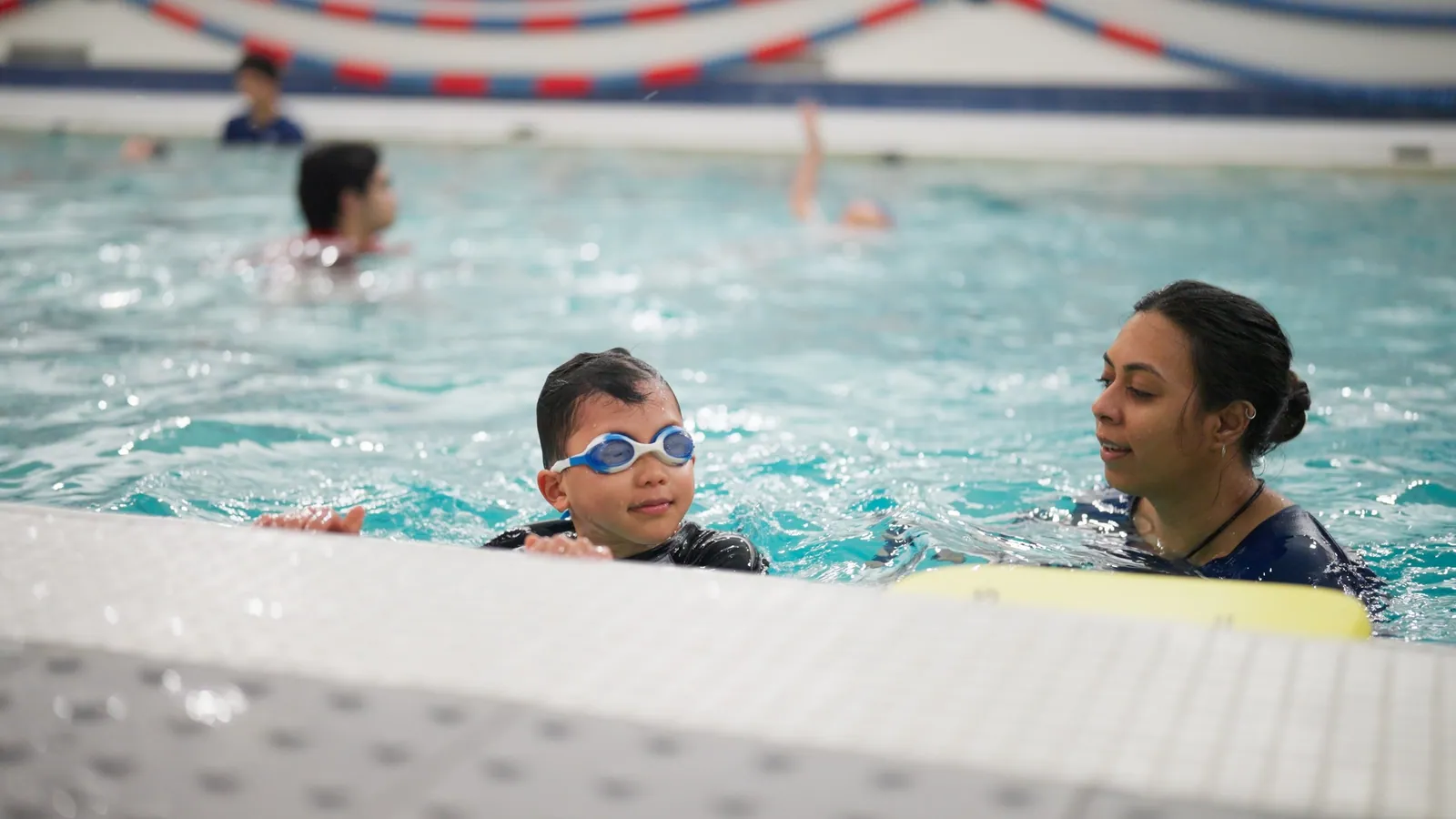
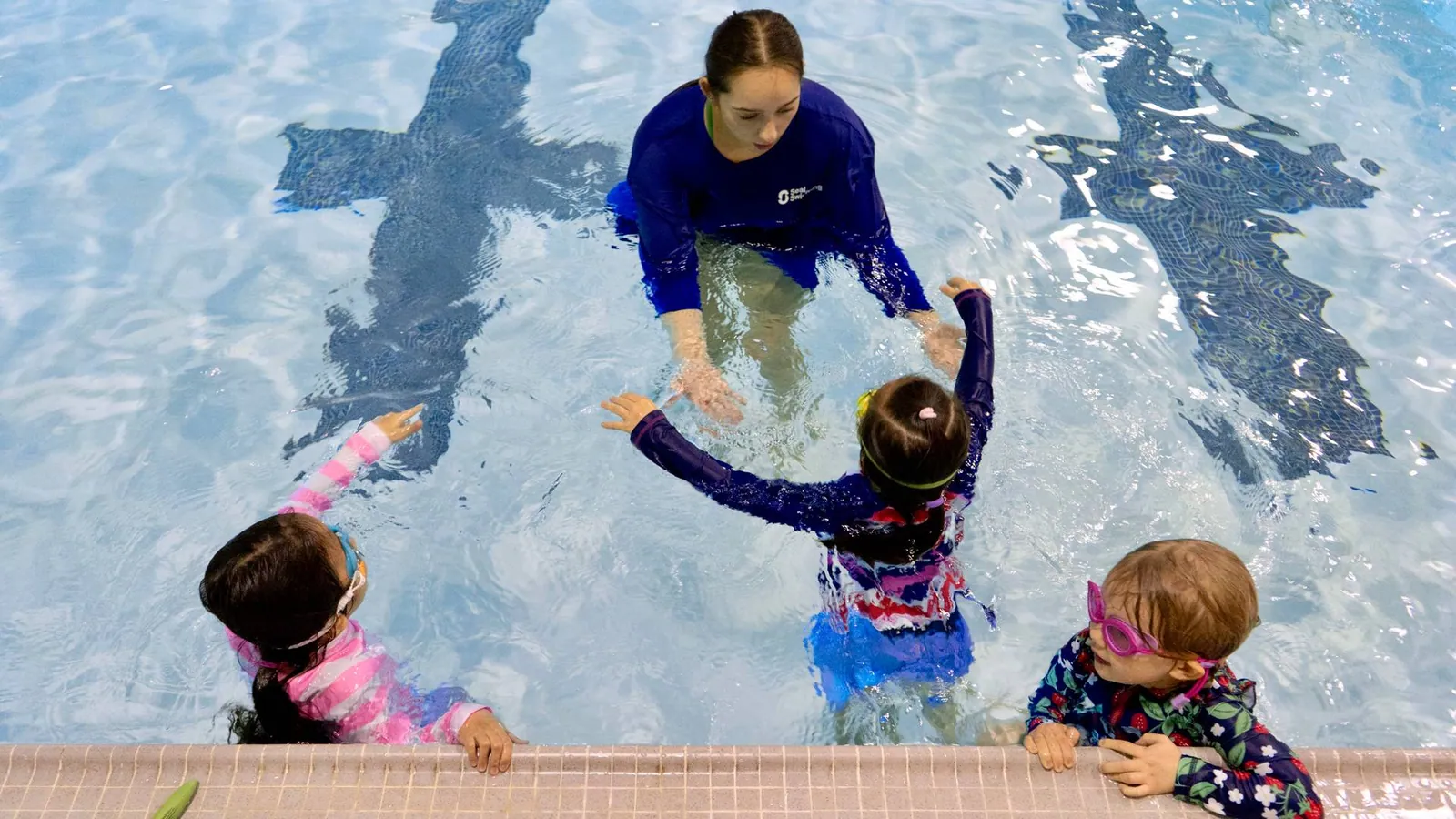
Our swim teachers provide specific, targeted feedback during every lesson. The swimmers who progress fastest are the ones who actively listen, ask questions when something isn't clear, and apply corrections in the same session — not just nod and continue as before.
Encourage your child to treat feedback as information, not criticism. A correction from an swim teacher means they've noticed something that will help — and that's exactly what lessons are for.
4. Practise Between Lessons
If you have access to a pool outside of lessons — whether at a community centre, a friend's home, or a summer visit to the cottage — use it. Even 20–30 minutes of relaxed water time between lessons reinforces what's being learned in class and accelerates the development of water confidence and comfort.
Our Home Practice Recommendations guide includes specific activities you can do with your child to reinforce lesson skills at home or at the pool.
5. Build Confidence Alongside Skill
A swimmer who is technically capable but lacks confidence will hold back. They'll hesitate at the pool edge, avoid putting their face in the water, or give up when something feels hard. Confidence and skill develop together — and both require nurturing.
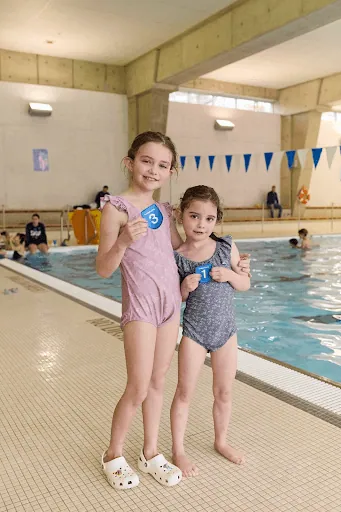
Celebrate every small milestone, not just the big level-up moments. A child who feels proud of their progress is a child who wants to keep going. Read our post on maintaining your swimmer's confidence year-round for practical strategies that work between and beyond lessons.
6. Set Small, Specific Goals
Vague goals like "get better at swimming" are hard to act on. Specific goals — "float on my back for 15 seconds without help" or "swim to the wall and back without stopping" — give swimmers something concrete to work toward and a clear sense of achievement when they get there.
Work with your child's swim teacher to identify one or two specific skills to focus on each session. Our SplashCheck system makes this easy by showing exactly which skills are in progress and which have been mastered.
7. Support Physical Development Outside the Pool
Swimming draws on core strength, flexibility, coordination, and cardiovascular fitness. Children who are physically active outside of lessons — through sports, play, or general movement — tend to progress faster in the pool. Encourage a wide range of physical activity, and don't underestimate the value of unstructured outdoor play for developing the body awareness that swimming requires.
ParticipACTION's annual Report Card on Physical Activity for Children and Youth consistently highlights that children who participate in multiple forms of physical activity develop stronger overall motor skills — directly benefiting their progress in structured sports like swimming.
What If My Child Isn't Progressing?
Plateaus are normal. Every swimmer hits a point where progress feels slow — usually when a skill is genuinely difficult, when confidence has taken a knock, or when the body needs time to consolidate what it's learning before it can build further.
If your child has been at the same level for a few sessions and you're concerned, the best first step is to speak with their swim teacher or our team directly. There may be a specific skill that needs targeted attention, or a confidence issue that can be addressed with a different approach. Reach out to our team — we're always happy to talk through your child's progress and find the right path forward.
Start the Journey at Seal Swimming
Whether your child is just discovering the water or ready to push toward their next big milestone, Seal Swimming offers the structured programs, experienced swim teachers, and supportive environment to help them get there. With locations across Toronto and North York, there's a pool near you where your swimmer can grow.
For more on the benefits of celebrating your swimmer's milestones along the way, read our post on The Best Ways to Celebrate Swimming Milestones.
Register today and give your swimmer the structured, progressive environment where every level is a launchpad for the next.