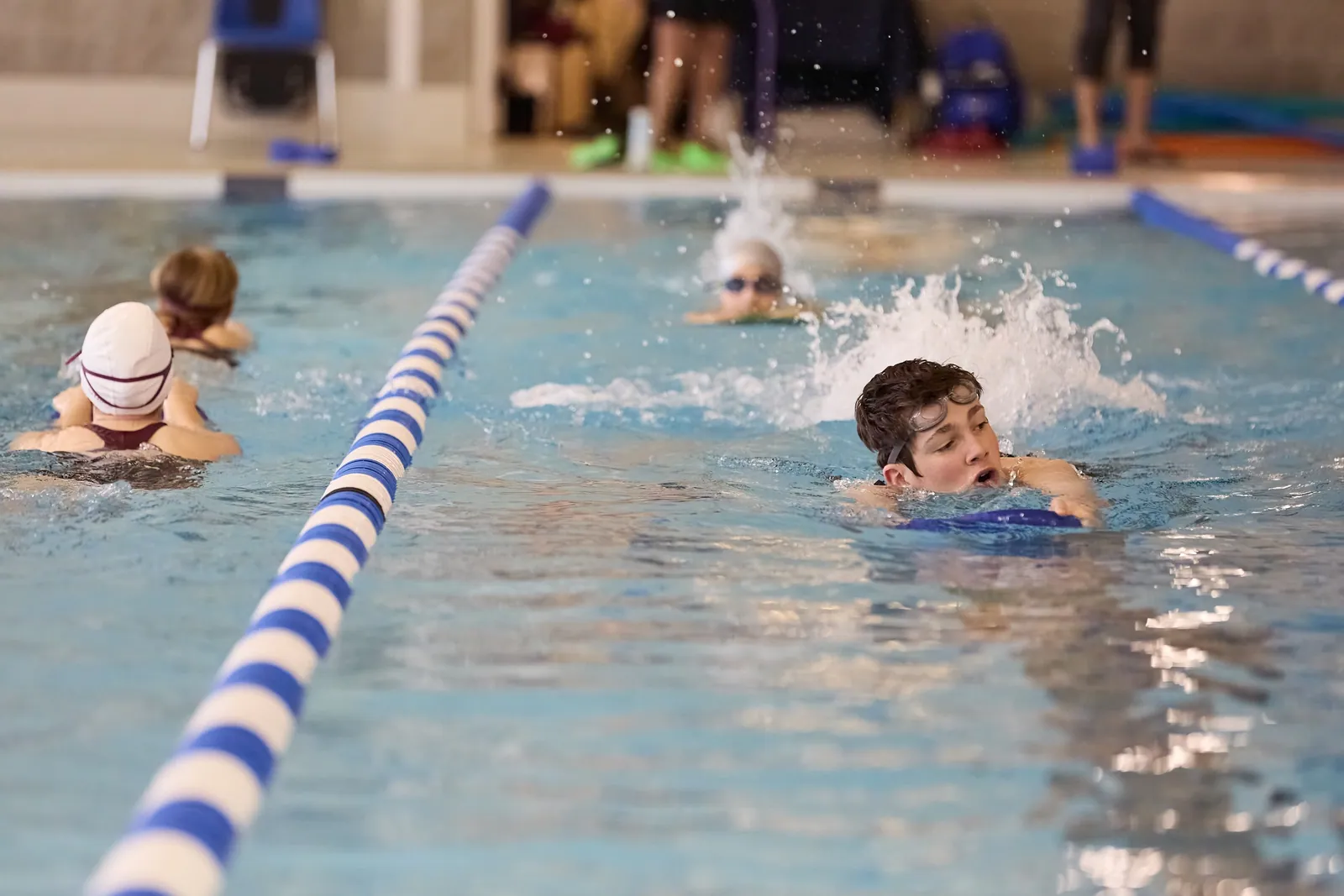
Ask any elite athlete what sport they credit for their foundational fitness, and swimming comes up more often than you'd expect. From NHL players to Olympic sprinters, many of the world's top athletes swam competitively as children — not because they planned to race, but because swimming builds something that no other sport quite replicates: a complete, coordinated, resilient athletic body.
At Seal Swimming, we see it every season. Kids who swim regularly arrive at other sports with better endurance, stronger body awareness, and a mental composure that sets them apart. Here's why — and what the research says.
1. Full-Body Conditioning That Transfers Everywhere
Unlike most sports, which tend to develop specific muscle groups, swimming engages virtually every major muscle group in a single session. The arms pull, the legs kick, the core stabilizes, and the back rotates — all at once, and against the resistance of water.
This balanced, full-body development is particularly valuable for sports like soccer, basketball, hockey, and gymnastics, where overall athleticism — not just one dominant skill — determines performance. Children who swim regularly tend to have stronger, more balanced musculature than their non-swimming peers, which reduces the risk of overuse injuries in their primary sport.
Research published in the National Library of Medicine confirms that regular aquatic exercise produces significant improvements in muscular strength, endurance, and body composition in children — benefits that carry directly into land-based athletic performance.
2. Cardiovascular Endurance That Outlasts the Competition
Swimming is one of the most demanding cardiovascular activities available to young athletes. Sustaining a stroke requires continuous, rhythmic effort from the heart and lungs — building aerobic capacity in a way that few other activities can match at a young age.
That cardiovascular base pays dividends in virtually every sport. A child who swims regularly will have the stamina to press through the final minutes of a soccer match, recover faster between hockey shifts, or maintain pace in a long-distance run. The heart and lungs trained in the pool don't forget what they've learned.
The Heart and Stroke Foundation of Canada identifies swimming as one of the most effective aerobic activities for building long-term cardiovascular health in children — a foundation that supports lifelong athletic participation.
3. Flexibility and Range of Motion
Each swimming stroke requires an unusually wide range of motion — the shoulder rotation in freestyle, the hip extension in butterfly, the symmetrical arm sweep in breaststroke. Over time, this develops flexibility and joint mobility that most land-based sports simply don't cultivate.
Greater flexibility means better performance and lower injury risk in sports like gymnastics, dance, tennis, and martial arts — but also in contact sports where a joint's ability to move through a full range can mean the difference between a strain and a serious injury.
At Seal Swimming, our Swim Squads program emphasizes stroke mechanics that develop this range of motion intentionally — building athletic mobility as a byproduct of technical excellence.
4. Motor Coordination and Body Awareness
Swimming is one of the most neurologically complex physical activities a child can learn. Coordinating breathing with arm strokes and leg kicks — while maintaining body position in a fluid, three-dimensional environment — demands an extraordinary level of body awareness and motor control.
Children who develop this coordination in the pool carry it with them everywhere. Better proprioception (the sense of where your body is in space) translates directly into improved agility, balance, and movement efficiency in any sport — from catching a baseball to sticking a gymnastics landing.
Our Swim Stars curriculum is structured to progressively develop these motor skills from the earliest levels, building coordination that supports athletic development well beyond the pool.
5. Mental Discipline, Focus, and Resilience
Mastering a swimming stroke is genuinely hard. It takes repetition, patience, the willingness to fail and try again, and the focus to hold technique together when you're tired. These are exactly the cognitive and emotional skills that separate good athletes from great ones.
Children who swim develop a tolerance for discomfort and a belief in their own ability to improve through effort — what psychologists call a "growth mindset." Research in sports psychology consistently shows that mental resilience and self-regulation are stronger predictors of long-term athletic success than raw physical talent.
Our SplashCheck skills tracking system is designed to help children see their own progress clearly — reinforcing the connection between effort and improvement that builds this mindset.
6. Stress Relief and Emotional Regulation
Competitive sport can be stressful — especially for children navigating performance pressure, team dynamics, and the fear of failure. Swimming offers something uniquely restorative: the meditative rhythm of movement through water has a well-documented calming effect on the nervous system.
Children who swim regularly tend to manage competitive anxiety more effectively, recover emotionally from setbacks more quickly, and bring a more composed mindset to high-pressure situations in other sports. The pool becomes a place to reset — and that reset carries into everything else.
7. Low-Impact Cross-Training and Injury Prevention
High-impact sports — running, basketball, gymnastics, hockey — place significant stress on developing joints and growth plates. Swimming offers the rare ability to maintain or even build fitness while giving the body a genuine rest from impact loading.
This makes swimming an ideal cross-training tool for young multi-sport athletes. During off-seasons, recovery periods, or injury rehabilitation, the pool allows children to stay active, maintain cardiovascular fitness, and work on strength and flexibility — without the wear and tear that leads to overuse injuries.
The Lifesaving Society of Canada recognizes swimming as one of the safest and most sustainable forms of physical activity for children of all ages and athletic backgrounds.
8. Teamwork, Communication, and Social Confidence
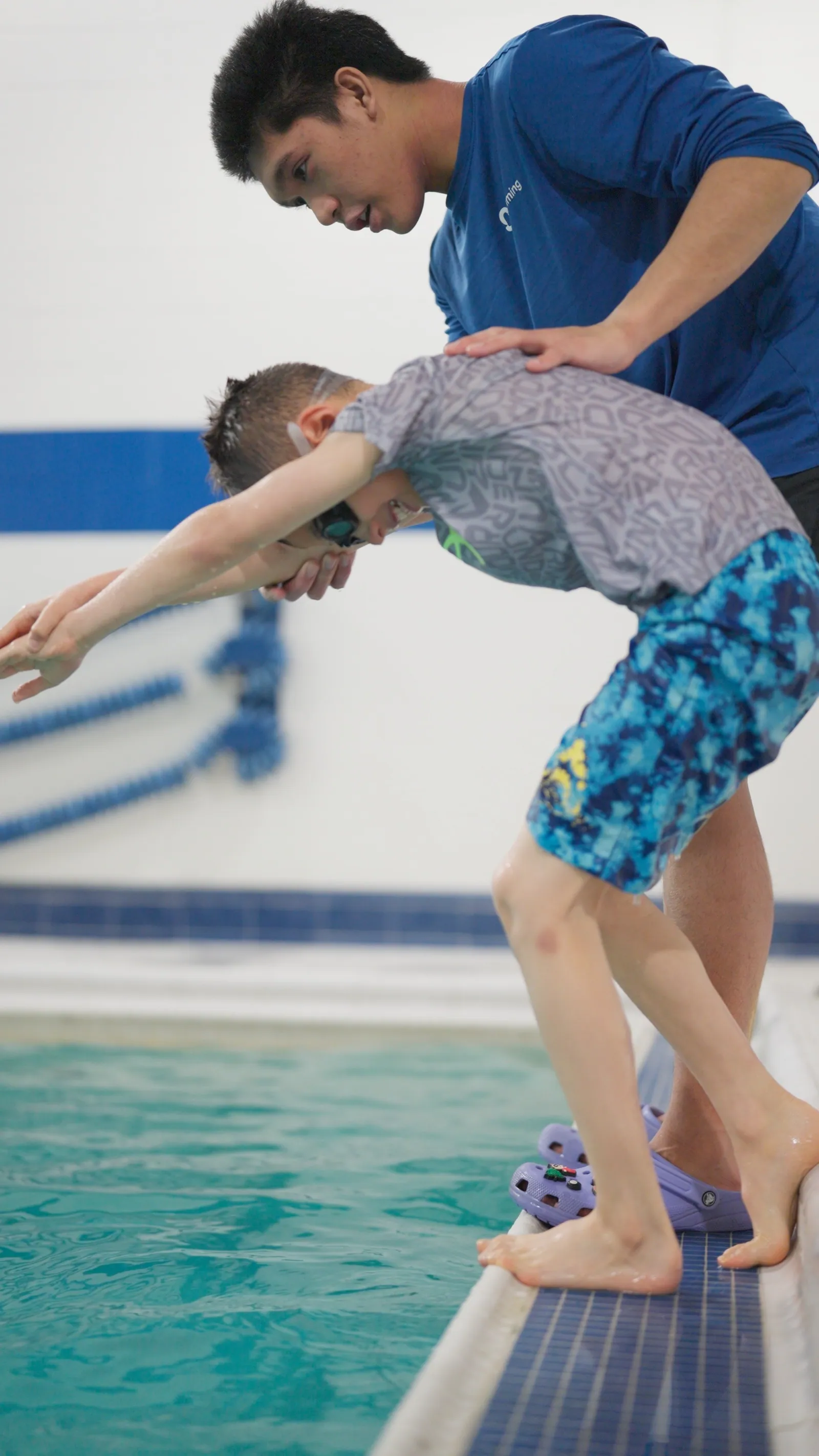
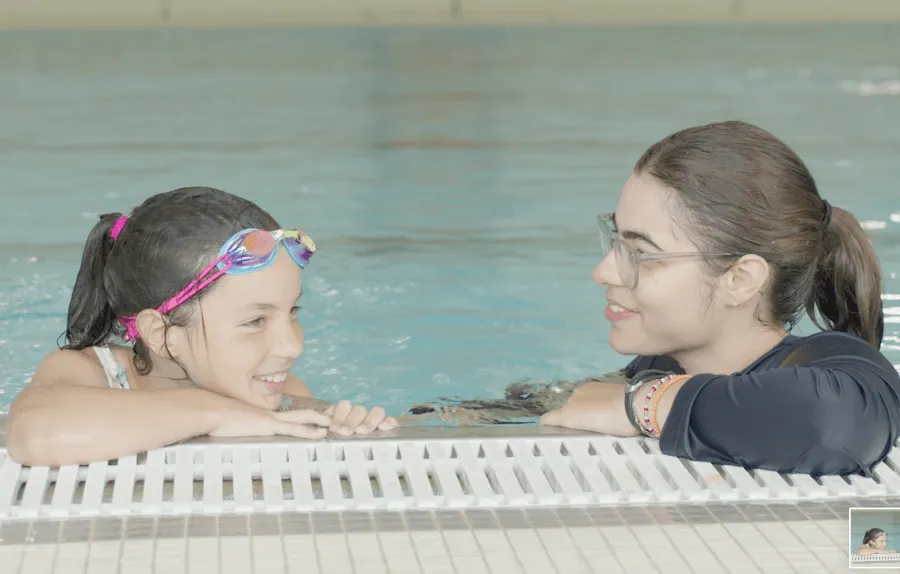
While swimming can feel like an individual pursuit, our group classes are rich social environments. Children learn to take turns, encourage their classmates, respond to coaching, and celebrate each other's progress — all skills that translate directly into effective team membership in any sport.
The confidence children build in the pool — overcoming fear, mastering new skills, being seen and celebrated — often shows up in unexpected ways on other fields and courts. A child who knows they can learn something hard is a child who shows up to tryouts ready to try.
Start Building Your Young Athlete's Foundation
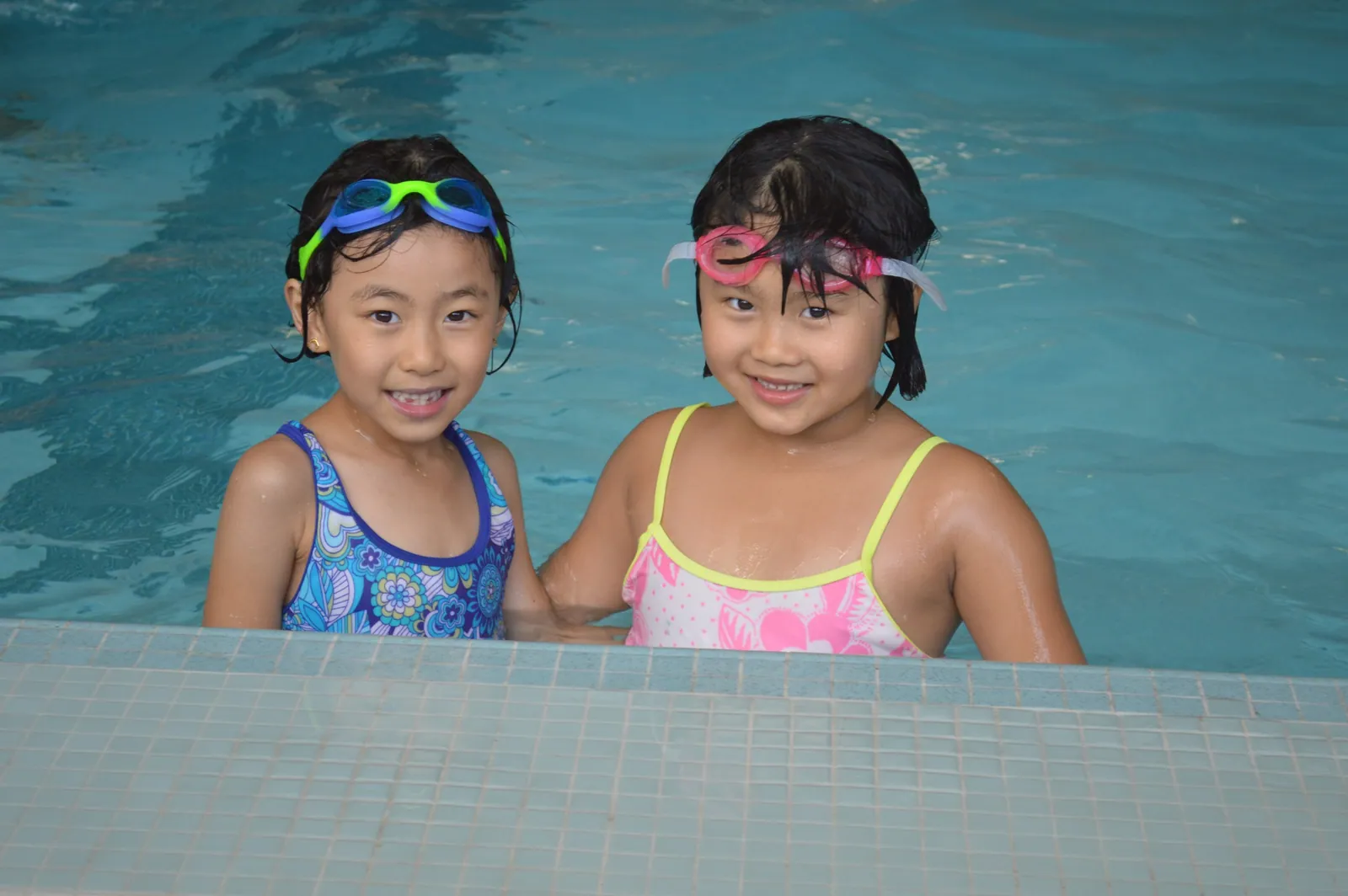
Whether your child is a budding hockey player, a future gymnast, or a multi-sport explorer, swimming gives them a physical and mental foundation that makes everything else easier. At Seal Swimming, we offer programs for every age and stage — from Baby Seal for infants through to Swim Squads for competitive-track swimmers.
Not sure which program is the right fit? Take our free Swim Assessment for a personalized recommendation, or browse our program selection guide in the Knowledge Base. You can also explore our locations across Toronto and North York to find a pool near you.
Register today and give your young athlete the cross-sport edge that starts in the water.