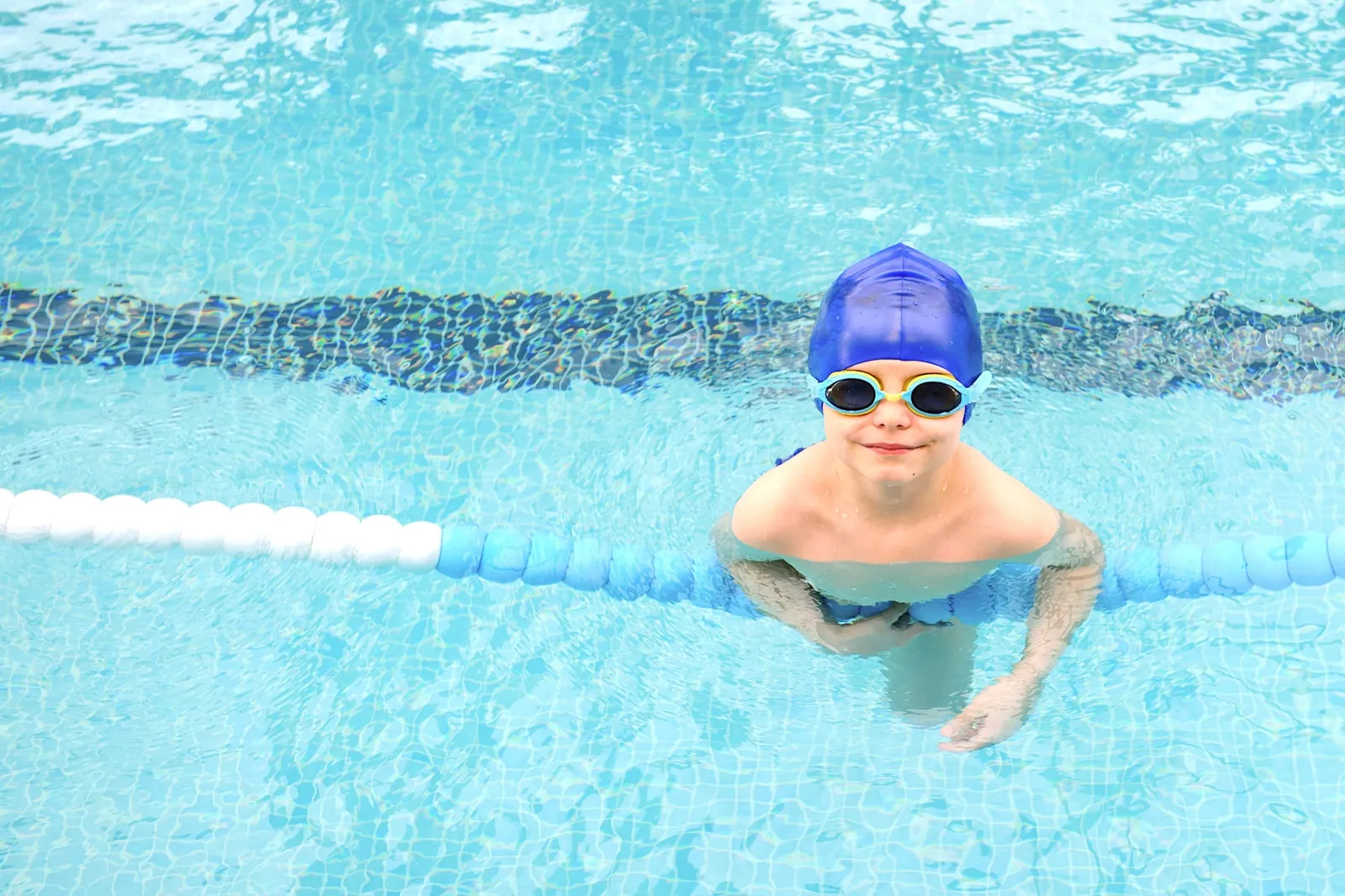
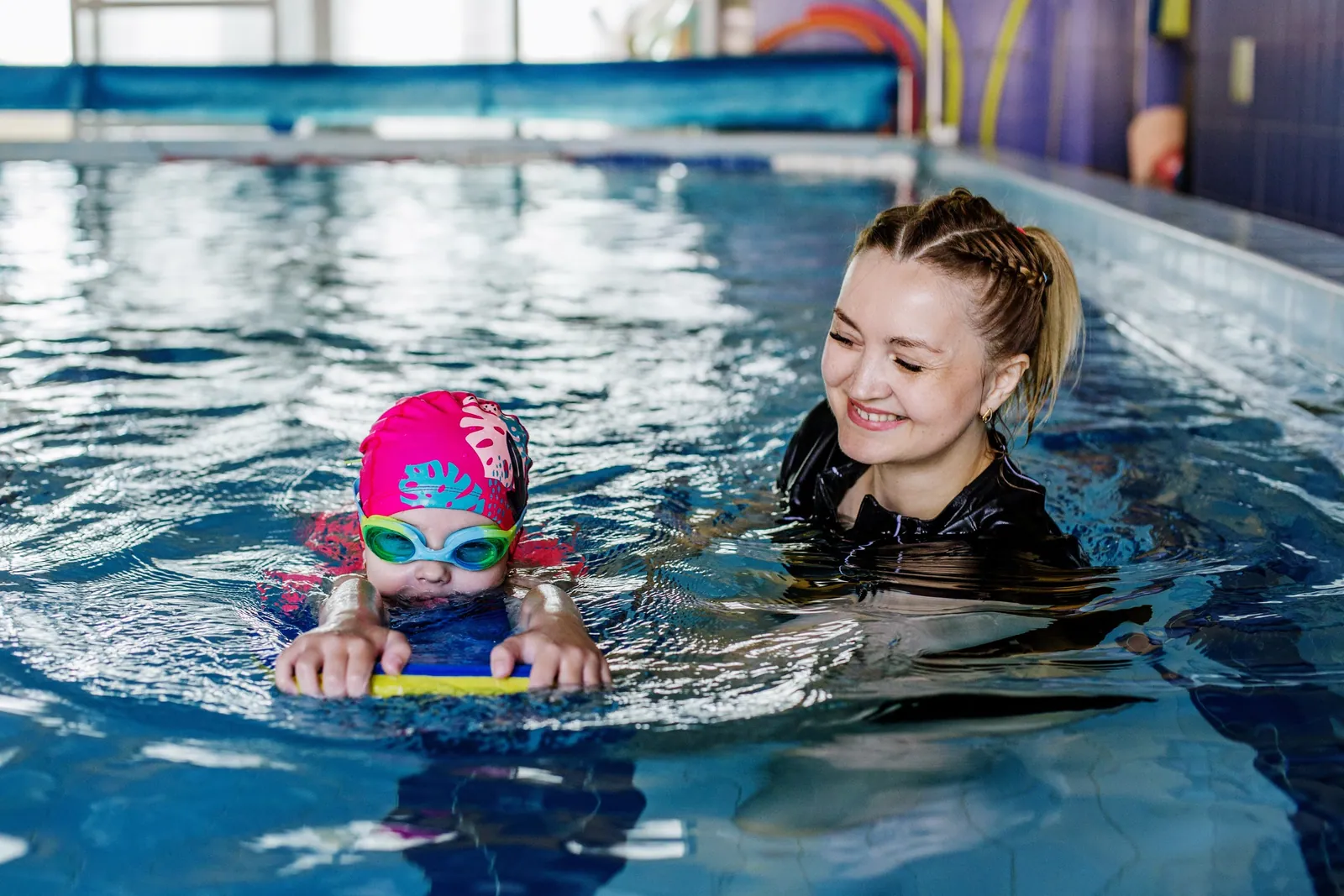
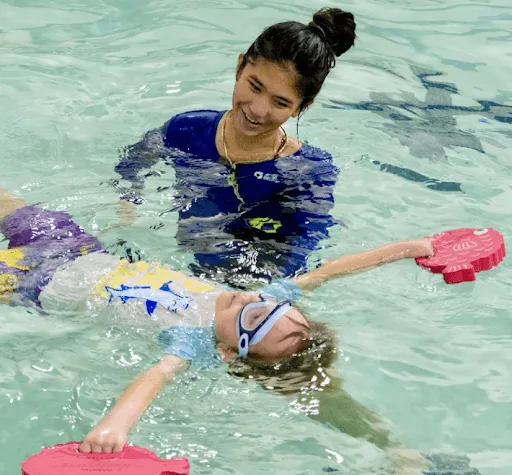
When you sign your child up for swimming lessons, you are giving them far more than a way to cool off in the summer. You are handing them a skill that shapes how their body grows, how their brain processes new information, and how they feel about themselves in the years ahead.
The benefits of swimming for children reach into nearly every part of their development, and they start the moment a child first feels supported in the water.
At Seal Swimming, we see this happen every week across our Toronto pools. A nervous toddler who once clung to the wall becomes a confident kicker. A shy seven-year-old finds their voice cheering on a classmate. The water has a way of bringing out abilities that surprise both children and their parents.
Here is a closer look at how that growth actually works and why the right swimming lessons make such a difference.
The Physical Health Benefits of Swimming for Children
Few activities work the whole body the way swimming does. Because water supports a child's weight, they can move freely while still building real strength.
Every stroke asks different muscle groups to work together, from the shoulders and core to the legs and back. Over time, this steady, low-impact effort helps children grow stronger without the joint strain that comes with many land-based sports.
Swimming is also one of the best ways to support cardiovascular health in young swimmers. Moving through water raises the heart rate and builds endurance, and children often do not even notice the effort because they are having fun. Regular time in the pool contributes to a healthy weight, supports lung capacity, and lays a foundation for lifelong physical health.
The health benefits your child can expect from consistent swimming lessons include:
- Stronger, more balanced muscle groups developed across the arms, core, and legs
- Better cardiovascular health and stamina that carry over into other activities
- Improved coordination as the body learns to time movements with breathing
- Support for maintaining a healthy weight through regular, enjoyable exercise
- Greater flexibility and range of motion in the shoulders, hips, and spine
How Swimming Builds Motor Skills and Coordination
Motor skills develop through repetition and challenge, and the pool offers both in a setting children genuinely enjoy.
When a young swimmer learns to glide, kick, and reach, they are refining the gross motor skills that control large movements. Smaller, more precise actions, such as cupping the hands or angling the feet, sharpen fine motor control at the same time.
Starting at an early age gives children a meaningful head start. Babies and toddlers who experience gentle, structured water play begin building body awareness long before they can walk well on dry land. Our Baby Seal programs are designed around this, introducing young children to movement and balance in a calm, nurturing environment alongside a caregiver they trust.
As children progress through our curriculum, each stage builds on the last. The result is steady, visible growth in coordination and confidence that you can actually track.
Cognitive Development and Mental Clarity in Young Swimmers
The benefits of swimming extend well beyond the body. Research into early movement and learning points to a strong link between swimming and cognitive development.
When children coordinate complex movements, follow instructions, and remember sequences of skills, they are exercising the same brain pathways used for problem solving and learning in the classroom.
Breath control plays a surprising role here. Learning to time a breath with a stroke teaches children patience, focus, and self-regulation. That same breath control can help a child calm themselves when they feel anxious or overwhelmed, a skill that serves them far beyond the pool deck.
Many parents tell us their children seem more settled and focused after a lesson. There is a good reason for that. Physical activity in water can bring a sense of mental clarity, release energy, and help children feel grounded.
For kids who struggle to sit still or wind down, a structured swim session can be one of the most calming parts of their week.
Swimming, Mental Health, and Self-Confidence
Few things build a child's self confidence like mastering something that once felt frightening. The water can be intimidating, and overcoming that fear teaches children a powerful lesson: they are capable of more than they thought.
Each small milestone, from putting their face in the water to swimming a full length, becomes proof of their own growing ability.
This sense of achievement supports mental health in lasting ways. Children who feel competent and capable carry that belief into school, friendships, and new challenges. In fact, 84% of parents reported their child's mood improved after a swim lesson, a sign of how time in the water can leave children feeling calmer, happier, and better able to cope with the everyday ups and downs of childhood.
The pool becomes a place where effort leads to visible reward, and where setbacks are simply part of learning rather than reasons to give up.
A few of the ways swimming nurtures emotional well-being in children include the following:
- A genuine sense of self-confidence that grows with every skill they master
- Reduced anxiety through rhythmic movement and steady breath control
- A healthy outlet for energy and stress that supports overall mental health
- Resilience built by working through challenges at their own pace
Our swim teachers are trained to meet each child where they are. During our swimming lessons, we teach the individual in the water rather than rushing anyone through a checklist, because we know confidence cannot be forced. It is earned, one supported attempt at a time.
Social Skills That Develop in the Pool
Group swimming lessons are a quiet workshop for social skills. In a small class, children learn to take turns, wait for their cue, cheer for their peers, and follow a shared set of expectations. These moments of cooperation teach patience and empathy in a way that feels natural rather than forced.
Because our class sizes stay small, every young swimmer gets meaningful attention while still benefiting from the company of others at a similar level.
Friendships form along the pool edge, and children learn that progress is something to celebrate together. For many kids, swimming lessons become a weekly highlight as much for the social connection as for the swimming itself.
Important Water Safety Skills Every Child Should Learn
Beyond strength and confidence, swimming gives children something every parent in Toronto can appreciate: safety around water. Drowning remains a leading cause of preventable injury for young children, and learning important water safety skills at an early age dramatically reduces that risk.
In our swimming lessons, children learn how to enter and exit the water safely, how to float and recover, how to control their breathing, and what to do if they ever find themselves in difficulty.
These are practical, lifelong abilities that bring peace of mind to your whole family, whether you are at a cottage, a community pool, or a friend's backyard.
Start Your Child's Swimming Journey with Seal Swimming
The benefits of swimming lessons for children touch nearly everything you hope to see in your child: a strong and healthy body, a sharp and curious mind, steady self-confidence, and the safety skills to enjoy the water for life. The earlier a child begins, the more time they have to grow into a capable, confident swimmer.
At Seal Swimming, our certified swim teachers and progressive curriculum are built to support that growth at every stage, from babies and toddlers to school-age kids, teenagers, and adults. With small class sizes and four convenient locations across Toronto, finding the right fit for your family is simple.
Take our quick Swim Assessment to find your child's level, then register online to reserve a spot. Give your child the chance to grow stronger, braver, and safer in the water. We would love to welcome them to the pool.