Fear of water is one of the most common and least talked-about barriers to learning how to swim. It affects children and adults alike — and it doesn't discriminate by age, background, or fitness level. Some people have never felt comfortable in water. Others had a frightening experience that left a lasting impression. Many simply grew up without access to a pool and never had the chance to build water confidence naturally.
Whatever the source, the fear is real — and it's completely possible to overcome it. At Seal Swimming, we work with nervous swimmers every single session. The progress we see, even in a few weeks, is remarkable. This guide walks through the process step by step, with practical strategies that work for both children and adults.
Understanding Water Fear: What's Actually Happening
Fear of water — sometimes called aquaphobia when it reaches clinical levels — is the body's natural threat-response system doing its job. The brain perceives an unfamiliar or potentially dangerous environment and triggers anxiety: increased heart rate, shallow breathing, muscle tension, and the urge to escape. This is not weakness. It's biology.
The good news is that the same system that creates fear can be gradually recalibrated through positive, controlled exposure. Each time you enter the water and nothing bad happens, the brain updates its threat assessment. Over time, the fear response diminishes — and eventually, the water becomes a place of comfort and enjoyment.
According to the Lifesaving Society of Ontario, inability to swim and fear of water are among the most significant risk factors for drowning incidents in Canada — making water confidence not just a quality-of-life issue, but a genuine safety priority for every family.
Step 1: Acknowledge and Name the Fear
The first step is simply to acknowledge the fear without judgment. Fear thrives in silence — when we avoid talking about it or pretend it isn't there, it tends to grow. Naming it, understanding it, and accepting it as a normal human response is the foundation of overcoming it.
For children, this means creating space for them to express their feelings about water without being dismissed or rushed. "I know the water feels scary. Let's figure it out together." For adults, it means giving yourself permission to be a beginner — to feel uncertain and proceed anyway.
Reflect on the specific nature of the fear. Is it the depth? The sensation of water on the face? The loss of footing? Submersion? Identifying the specific trigger helps tailor the approach — and helps an swim teacher know exactly where to start.
Step 2: Choose the Right Environment
Not all pools are equal for nervous swimmers. A large, busy, noisy aquatic centre is a very different environment from a small, warm, quiet teaching pool. For someone working through water fear, the environment matters enormously.
Look for a setting where:
- The water is warm (cold water amplifies physical anxiety responses)
- The pool is shallow enough to stand in comfortably
- There are few distractions and minimal noise
- The swim teacher-to-swimmer ratio is small
At Seal Swimming, our teaching pools across Toronto and North York are designed with exactly this in mind — warm, welcoming environments where nervous swimmers can focus on building confidence without sensory overwhelm.
Step 3: Start at the Edge — Literally
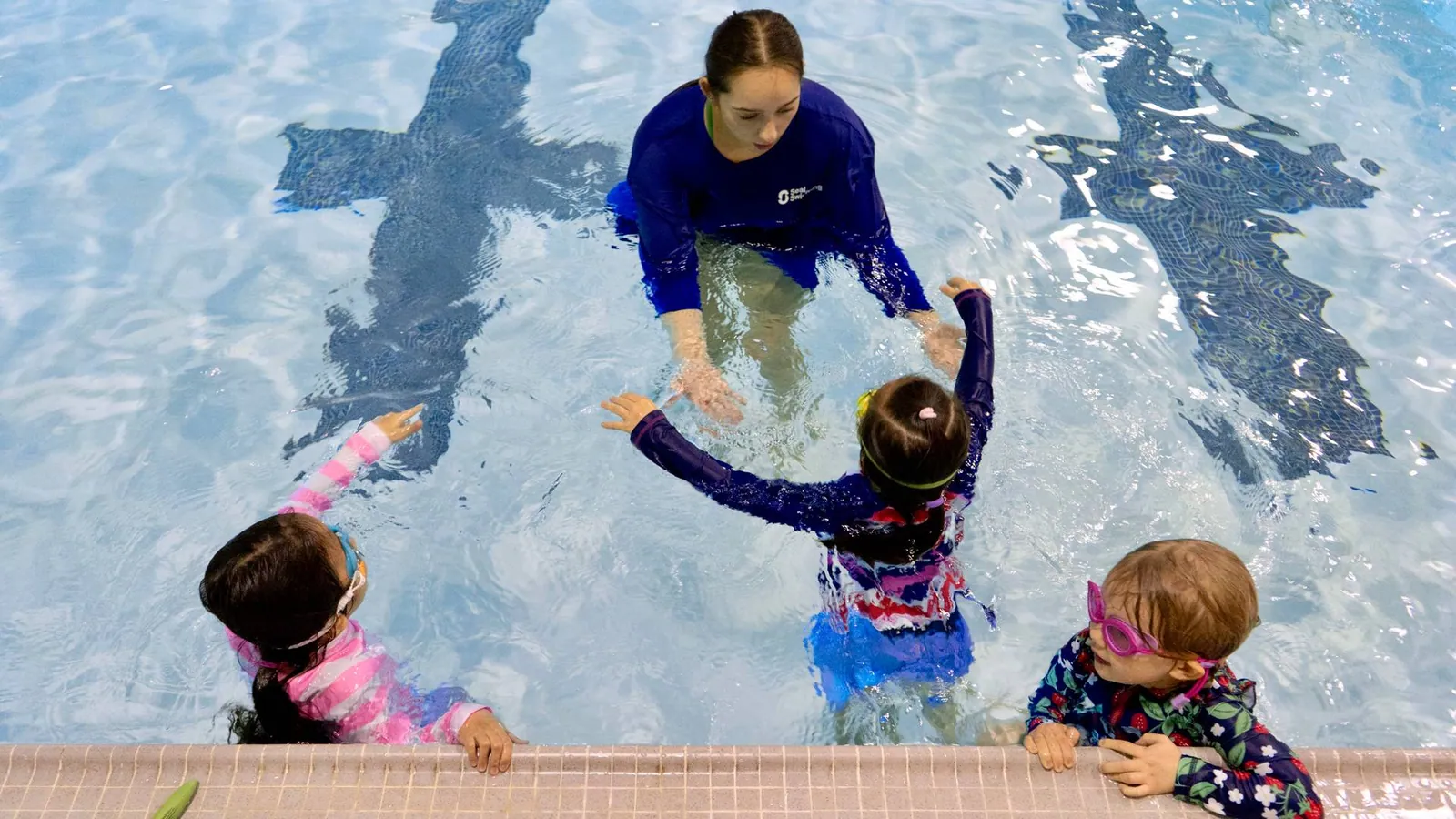
There's no rule that says the first step has to involve getting in the water. For very anxious swimmers — children or adults — the first session might simply involve sitting at the pool's edge, feet dangling in the water, getting used to the sight, sound, smell, and temperature of the aquatic environment.
Gradual familiarisation is the key principle here. The goal is to reduce novelty — because novelty is a major driver of anxiety. The more familiar the environment becomes, the less threatening it feels. Progress through these stages at whatever pace feels manageable:
- Sitting on the pool edge with feet in the water
- Standing in the shallow end (waist-deep or less)
- Walking through the water, feeling resistance
- Splashing water on arms, shoulders, and face
- Bending knees to bring shoulders to water level
- Blowing bubbles at the surface
Each of these is a genuine milestone. Celebrate them as such.
Step 4: Master Breathing Before Everything Else
Controlled breathing is the foundation of water confidence — and it's the first thing anxiety disrupts. When we're frightened, breathing becomes shallow and rapid, which actually amplifies the fear response. Learning to breathe deliberately in and around water breaks this cycle.
Start on land: practice taking a slow, deep breath in through the nose, holding for a moment, and exhaling slowly through the mouth. This activates the parasympathetic nervous system — the body's "rest and digest" mode — and counteracts the anxiety response.
In the water, the progression looks like this:
- Blowing bubbles — exhaling through the mouth while the face is in the water. This is the single most important early skill for nervous swimmers.
- Rhythmic breathing — turning the head to breathe in, returning the face to the water to breathe out. This becomes the foundation of every swimming stroke.
- Breath-holding — brief submersions with a full breath held, building comfort with being fully underwater.
Our Home Practice Recommendations guide includes breathing exercises you can practise in the bathtub between lessons — a low-pressure way to build familiarity with the sensation of water on the face.
Step 5: Discover Floating
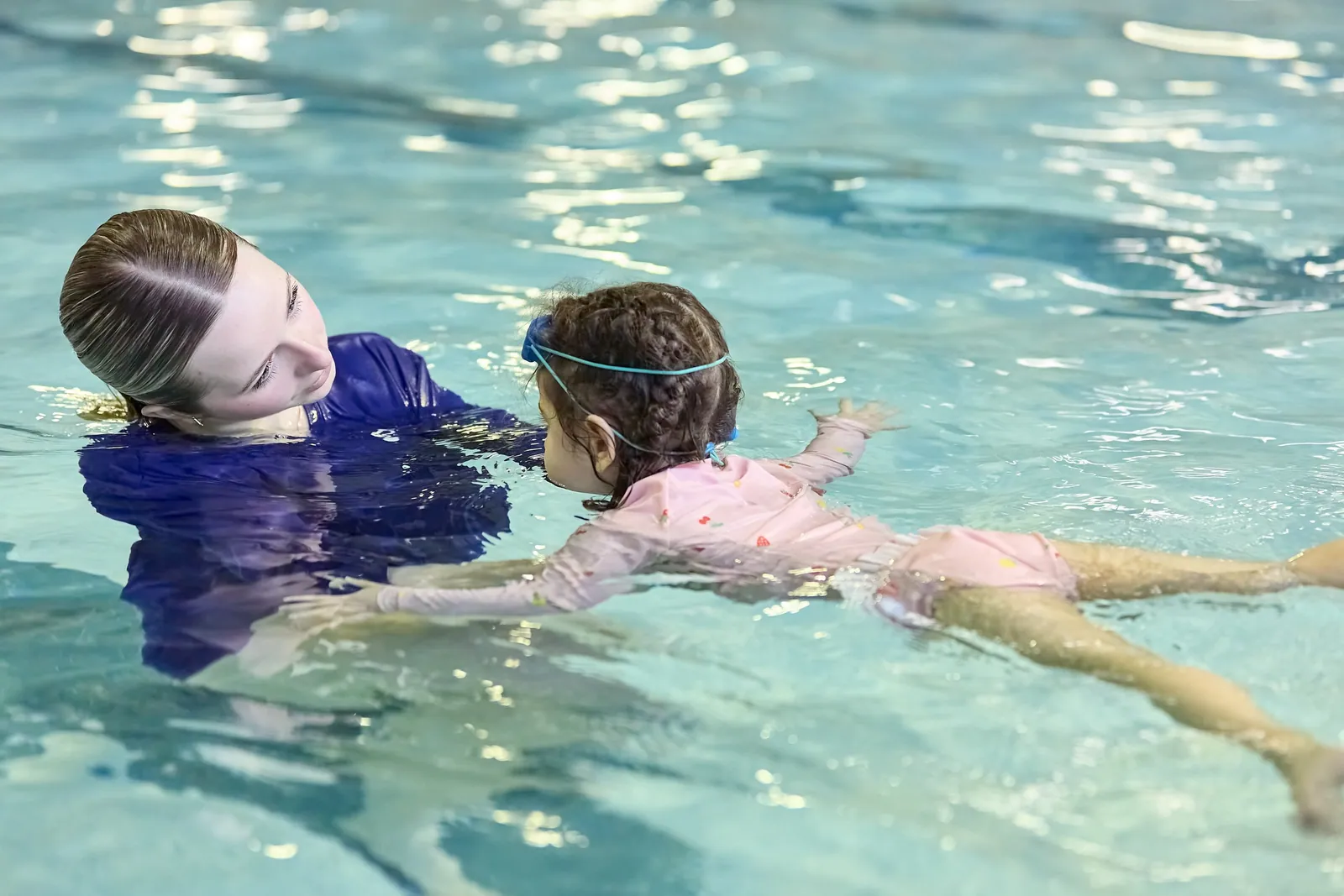
One of the most transformative moments for a nervous swimmer is the first time they float independently. Floating proves, in the most direct physical way possible, that the water will support them — that they don't need to fight it.
Start with supported floating: an swim teacher's hands under the swimmer's back, a pool noodle under the hips, or holding the pool wall. The goal is to let the body relax and feel the water's buoyancy. Many nervous swimmers hold tension in their bodies that actually makes floating harder — learning to release that tension is a skill in itself.
Back floating is often easier and less frightening than front floating for beginners, because the face stays out of the water. Once back floating feels comfortable, front floating with the face in the water follows naturally.
Step 6: Work with a Patient, Experienced Swim Teacher
This step can make or break the process. The right swim teacher doesn't just teach swimming technique — they read the swimmer's emotional state, adjust the pace accordingly, and create an environment where trying and failing feels safe.
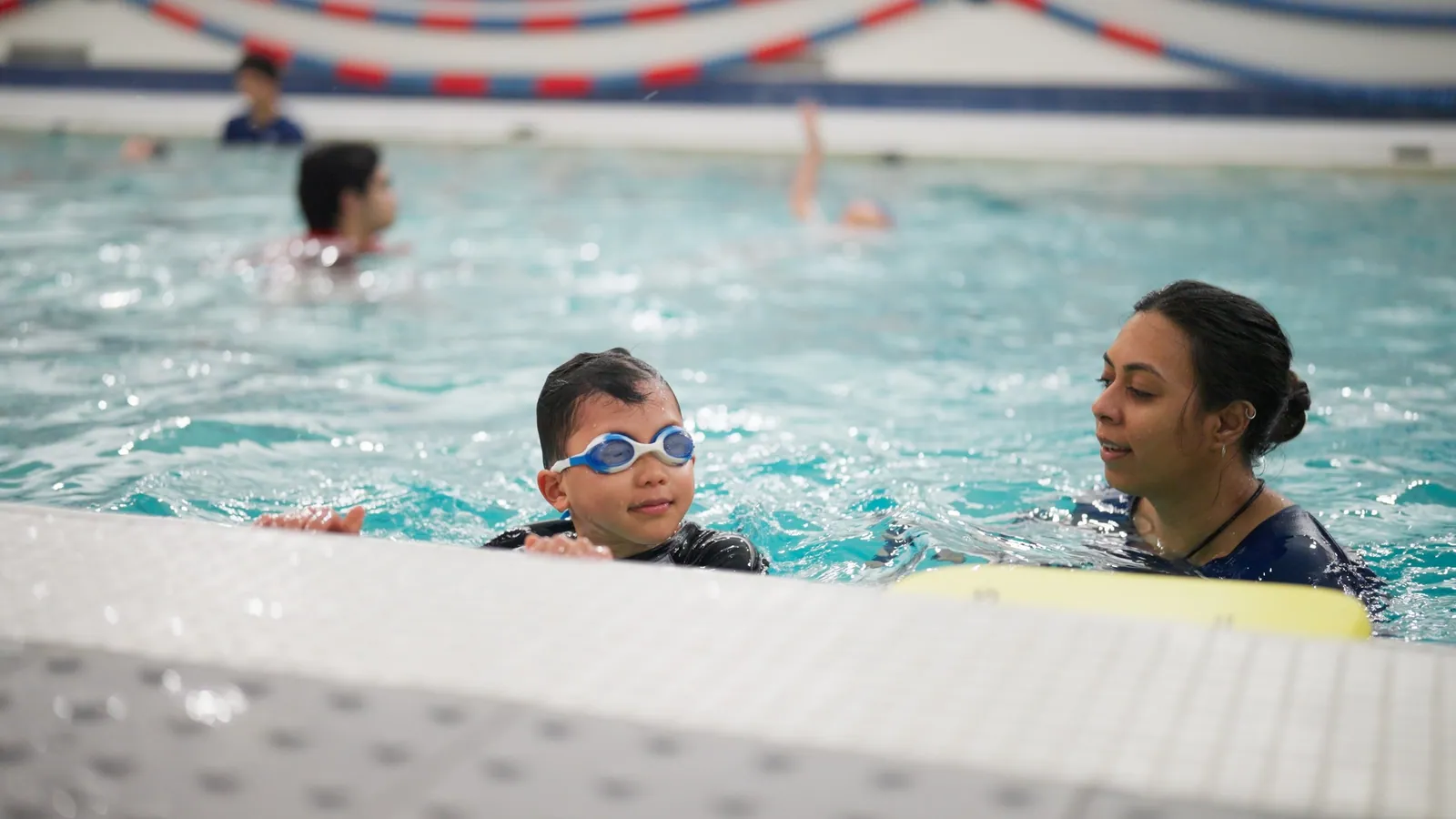
For nervous swimmers, private lessons are often the most effective starting point. The one-on-one format removes the social pressure of group settings, allows the swim teacher to focus entirely on the swimmer's comfort level, and makes it possible to spend as long as needed on any given step without the lesson moving on.
Read our post on how private lessons boost confidence in new swimmers for a detailed look at why this format works so well for anxious learners.
At Seal Swimming, our swim teachers are trained specifically in supporting nervous swimmers across all age groups — from toddlers in our Seal Pups program to adults in our Adult Swim Training classes. Not sure which program is right? Take our free Swim Assessment for a personalised recommendation.
Step 7: Progress Gradually — And Let the Swimmer Lead
One of the most common mistakes in working with nervous swimmers is moving too quickly. Progress that feels slow to an observer feels fast to someone managing genuine anxiety. Pushing a nervous swimmer past their comfort zone before they're ready doesn't accelerate progress — it undermines trust and often sets things back.
The principle is: always let the swimmer set the pace. An swim teacher can encourage, suggest, and gently challenge — but the swimmer should never feel forced. The moment a learner feels in control of their own progression, their confidence grows exponentially.
For children specifically, Psychology Today's research on childhood fear highlights that child-led exposure — where the child has agency over the pace of confronting a fear — produces significantly better long-term outcomes than adult-directed "push through it" approaches.
Step 8: Practise Consistently
Water confidence is built through repetition. The more time spent in a safe, positive aquatic environment, the faster the brain recalibrates its threat response. Gaps between lessons allow anxiety to creep back in — consistency keeps the momentum going.
This doesn't mean every session needs to be a formal lesson. Time in the water between lessons — at a community pool, a friend's home, or a cottage dock — reinforces familiarity and builds the casual comfort with water that eventually becomes second nature.
Our guide on how often to attend swimming lessons covers recommended frequencies for different ages and stages — including advice for swimmers working through anxiety.
Step 9: Celebrate Every Milestone
Overcoming water fear is not a linear process. There will be great sessions and hard sessions. There will be days when a skill that felt solid last week feels scary again. This is completely normal — anxiety doesn't follow a straight line.
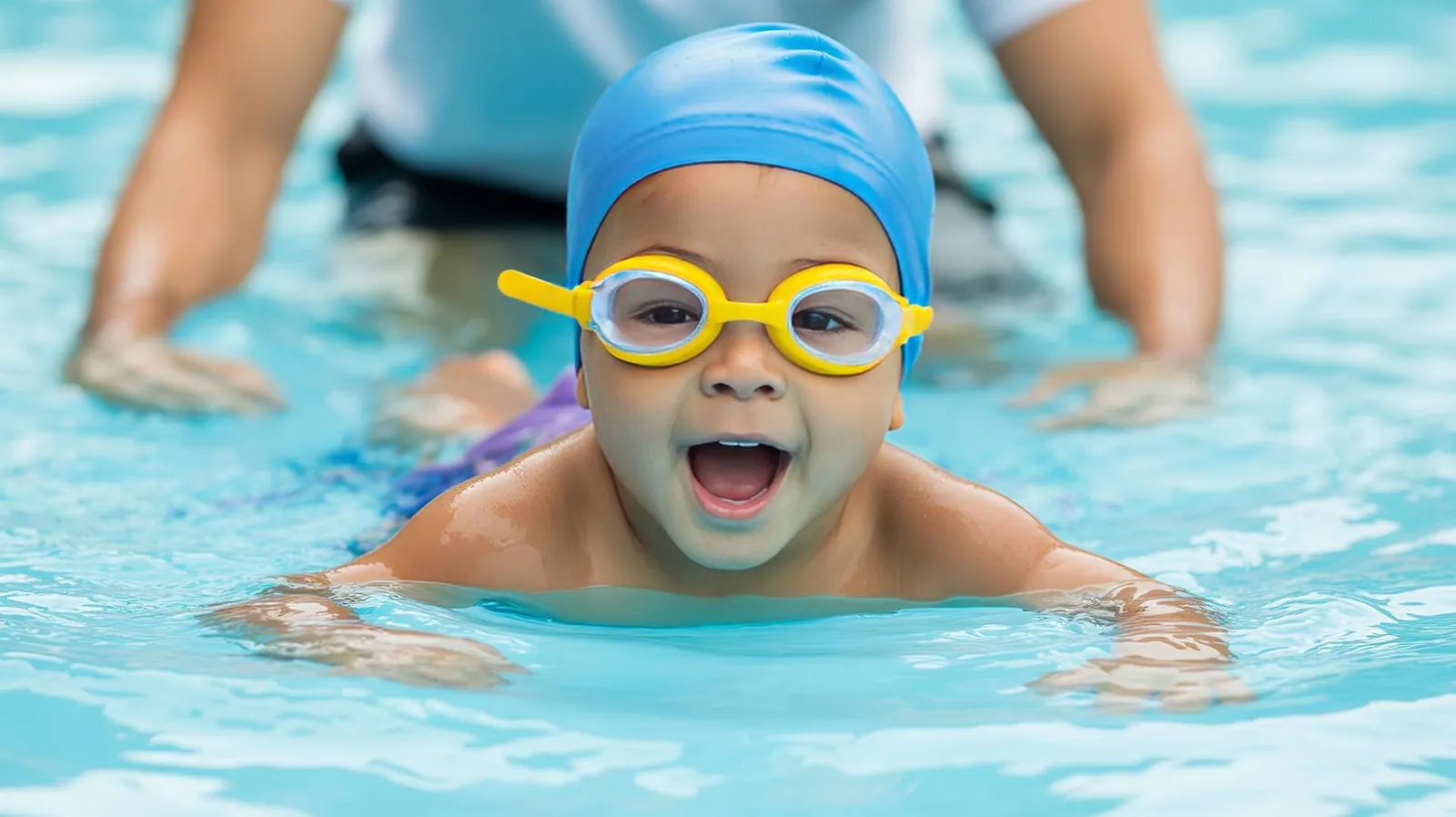
What matters is recognising and celebrating every step forward, no matter how small. The first bubble blown. The first float. The first width swum independently. These moments deserve genuine celebration — they represent real courage and real progress.
Read our post on maintaining your swimmer's confidence year-round for practical strategies to keep motivation high through the inevitable ups and downs of the learning process.
Step 10: Be Patient — With Yourself and Your Child
There is no timeline for overcoming water fear. Some swimmers move through the process in a few weeks. Others take months or years. What matters is not the speed but the direction — as long as you're moving toward the water rather than away from it, you're succeeding.
For parents supporting a fearful child: your calm matters more than almost anything else. Children are extraordinarily sensitive to their parents' anxiety about their anxiety. If you can model relaxed confidence around water — even if you have to fake it a little — your child will feel it.
For adults working through their own fear: give yourself the same compassion you would give a child in the same situation. You are doing something brave. The fact that you're reading this guide and considering taking steps means you're already on the right path.
Start Your Journey at Seal Swimming
Whether you're helping a nervous toddler discover the water through our Baby Seal or Seal Pups programs, supporting an older child through our Swim Stars lessons, or finally tackling your own water anxiety as an adult, Seal Swimming is here for every step of the journey.
We have locations across Toronto and North York, experienced swim teachers who specialise in working with nervous swimmers, and a warm, supportive environment designed to make the water feel safe. Reach out to our team with any questions, or register today to get started.
The water is waiting — and it's more welcoming than you think.