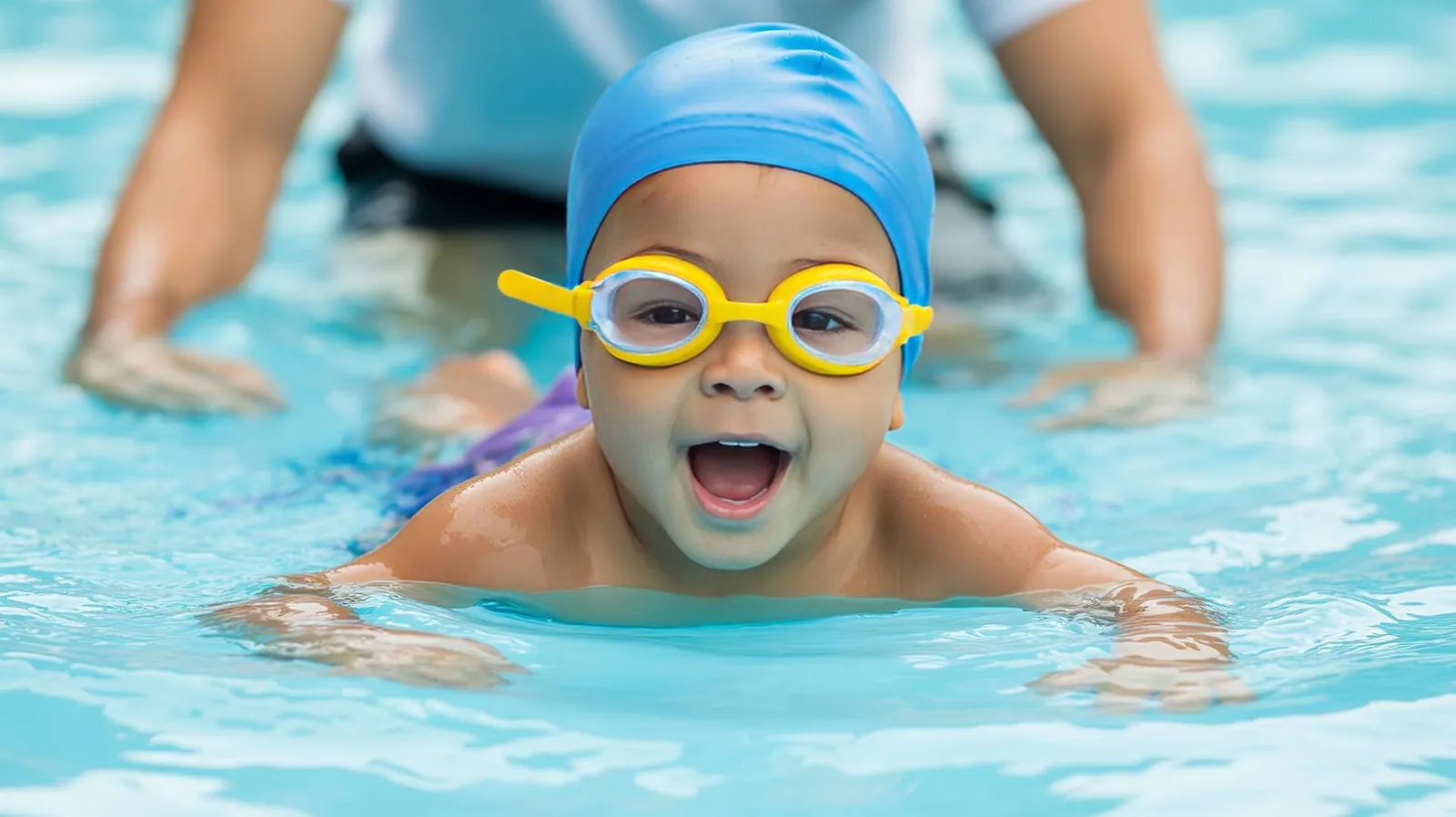
One of the most common questions parents ask at the end of a swim session is: "Is my child ready to move up?" It's a great question — and the answer isn't always obvious. Progress in swimming lessons doesn't follow a fixed schedule. Every child develops at their own pace, and readiness for the next level depends on more than just age or the number of classes attended.
The good news is that there are clear, observable signs that tell you — and your child's swim teacher — that it's time to move forward. Here are five of the most reliable indicators, along with what to do when you spot them.
Sign 1: They Complete Skills Consistently — Not Just Occasionally
There's a big difference between a child who can do something once in a while and one who does it reliably, every time. Consistency is the gold standard in swimming skill progression.
If your child can float, kick, breathe, and move through the water without significant hesitation or reminders — not just on a good day, but regularly — that consistency signals genuine readiness. Skills that have been truly mastered show up in different conditions: in a busy pool, at the start of a cold lesson, after a break from the water.
According to the Lifesaving Society of Ontario, reliable skill execution in varied conditions is a core component of their progression framework — because water safety depends on skills that hold up under pressure, not just in ideal circumstances.
At Seal Swimming, swim teachers assess each swimmer across multiple lessons before recommending advancement. Our level transition guide explains exactly what skills are assessed at each stage of our swimming pathway.
Sign 2: They Show Genuine Water Confidence
Technical skill and emotional readiness go hand in hand. A child who is technically capable of the next level's skills but is still anxious in the water will struggle to build on that foundation. Conversely, a child who is fearless, relaxed, and curious in the water is almost always ready to be challenged further — even if they haven't technically "mastered" every skill on a checklist.
Signs of genuine water confidence include:
- Entering the pool without hesitation or distress
- Experimenting independently — trying new movements without being asked
- Comfortable submerging their face and opening their eyes underwater
- Recovering calmly if they slip or take in a little water
- Engaging positively with their swim teacher and peers
Water confidence is a milestone in its own right — not just a precursor to technical skill. If you notice your child behaving this way, it's a strong signal that they're ready for more. Read our post on helping a child who is afraid of water for more context on what confidence development looks like at different ages.
Sign 3: They're Bored or Under-Challenged
Children are not shy about showing when they're unstimulated. If your child is completing every task quickly, finishing ahead of the group, asking for harder challenges, or showing restlessness during lessons, the current level may no longer be providing the right amount of challenge.
Boredom in swim lessons is more than a behavioral inconvenience — it can actually stall progress. When children aren't being appropriately challenged, they stop making meaningful gains. Skills plateau, attention wanders, and the enthusiasm that drives learning fades.
The right level should feel slightly challenging but achievable. A swimmer who always finds it easy is ready to be stretched. The zone of proximal development — a concept from educational psychology — applies directly here: children learn best when tasks are just beyond their current comfort zone, with appropriate support.
If your child is consistently finishing early, completing activities perfectly on the first attempt, or expressing that lessons feel "too easy," bring it up with their swim teacher. At Seal Swimming, we can adjust within a level or recommend advancement based on what we're observing in class.
Sign 4: Their Swim Teacher Recommends It
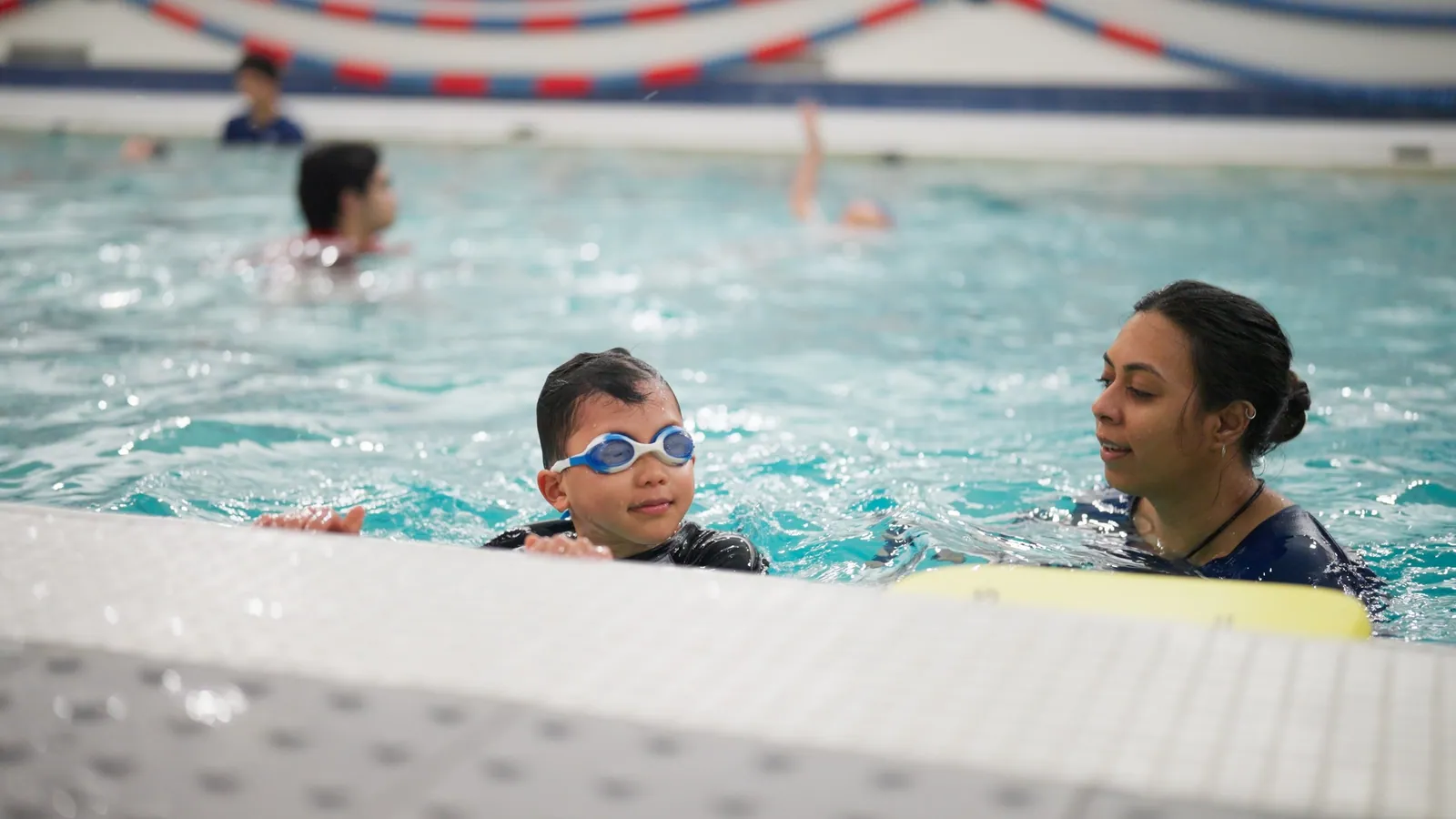
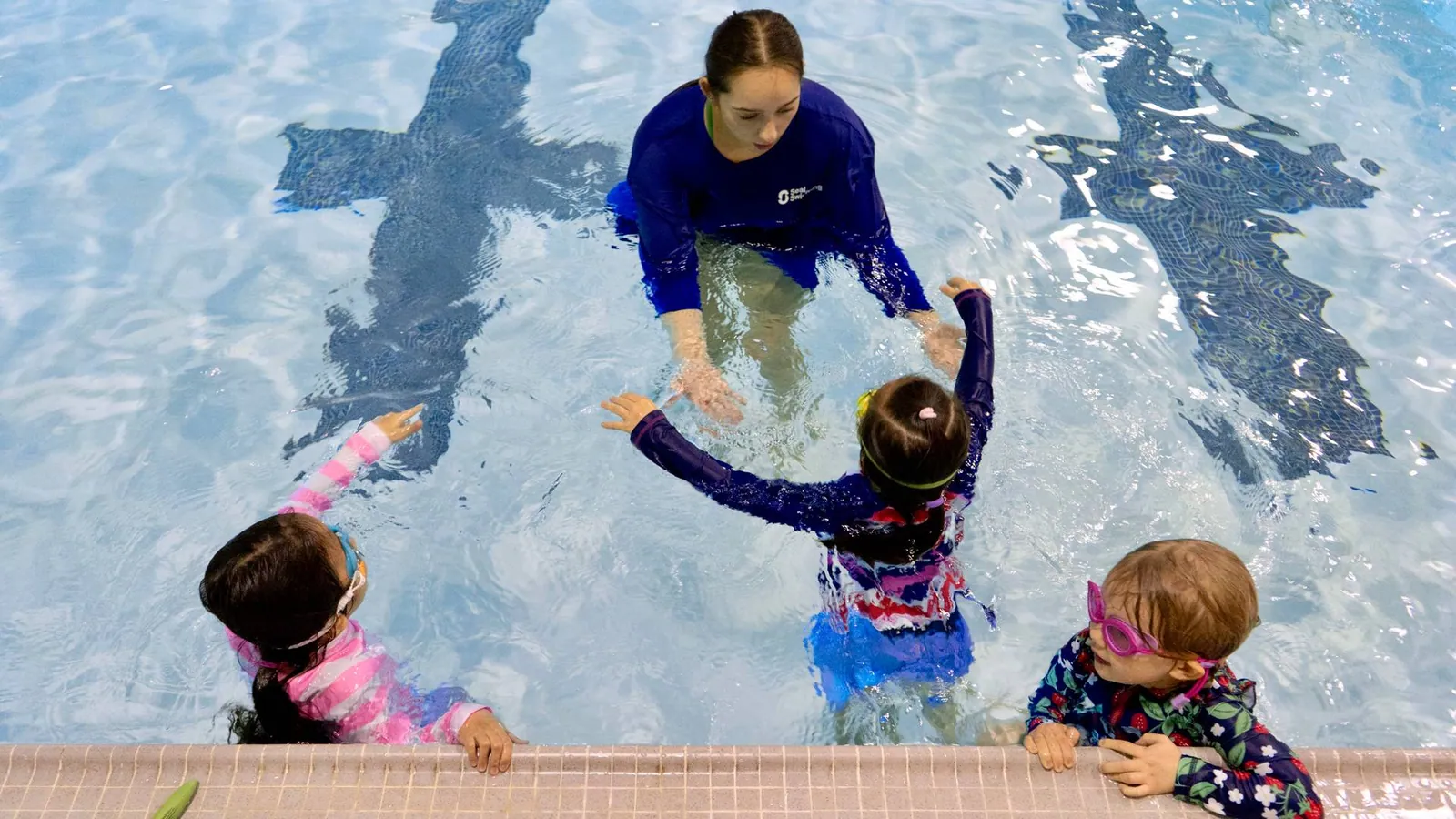
This one might seem obvious, but it's worth emphasising. Swim Teachers are trained to observe skills that aren't always visible to parents watching from poolside. They see body position in the water, breathing coordination, recovery after mistakes, and how a child handles new challenges — details that paint a complete picture of readiness.
At Seal Swimming, our swim teachers hold certifications through the Lifesaving Society and are trained in skills tracking and reporting. When an swim teacher recommends that your child advance to the next level, that recommendation is based on consistent observation across multiple lessons — not a single good performance.
If you're unsure whether your child is ready, ask their swim teacher directly at the end of a lesson. They will give you an honest, informed answer. You can also speak with our front desk team or contact us — we're happy to discuss your child's progress in detail.
Curious about the full structure of our levels? Our curriculum goals and objectives page outlines exactly what each level covers and what's expected before progression.
Sign 5: They Ask to Try New Challenges
Children who are ready to move up often tell you — not always in words, but through their behaviour. They ask to jump from a higher point, try a new stroke, swim a longer distance, or do something they've seen older swimmers doing. This intrinsic motivation is one of the strongest signals of readiness.
When a child begins to set their own micro-challenges — "Can I try without the noodle?" or "I want to swim all the way to the wall by myself" — they're demonstrating both confidence and the drive to grow. These are qualities that will carry them forward through every level of the Seal Swimming pathway.
Encourage this curiosity at home too. Time in the water between lessons — at a community pool, a friend's place, or during summer — reinforces skills and builds the casual comfort that supports progression. Our home practice recommendations offer simple, age-appropriate ways to keep skills fresh between classes.
What Happens When They Move Up?
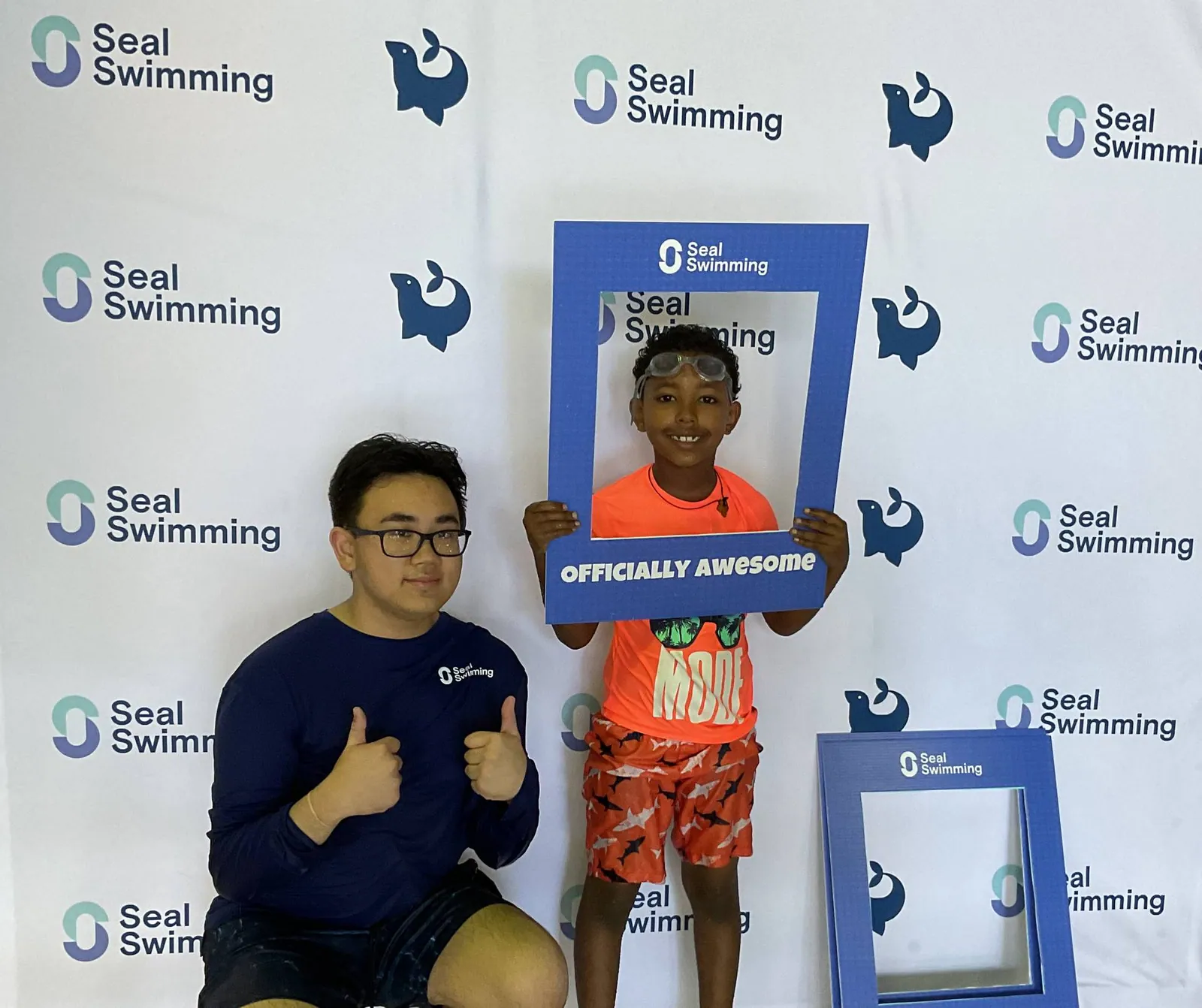
Moving to the next level is a genuine milestone — and it should feel like one. At Seal Swimming, advancing swimmers receive recognition for their progress. Swim Teachers communicate clearly with parents about what the next level involves, what new skills will be introduced, and what to expect in the transition.
The next level will feel harder at first. That's intentional. New strokes, longer distances, and more complex movements are introduced gradually, building on the solid foundation your child has already established. Within a few lessons, most swimmers settle into their new level and begin making rapid progress again.
For children who need more support during transitions, private or semi-private lessons can help bridge the gap — giving focused one-on-one time to consolidate skills before returning to group classes. Our free Swim Assessment can also help clarify exactly which level is the best fit for your child right now.
Not Sure Yet? That's Okay Too
Readiness isn't always clear-cut, and there's no rush. A child who spends an extra session or two consolidating skills at their current level will be better prepared for the challenges ahead. Rushing advancement before genuine readiness can lead to frustration, loss of confidence, and slower long-term progress.
The goal is not to move through levels quickly — it's to build a swimmer who is genuinely capable, comfortable, and confident at every stage. That foundation is what produces swimmers who love the water for life.
If you have questions about your child's progress, we're always here to help. Reach out to our team, explore our frequently asked questions, or register for the next session — we look forward to seeing your child grow.