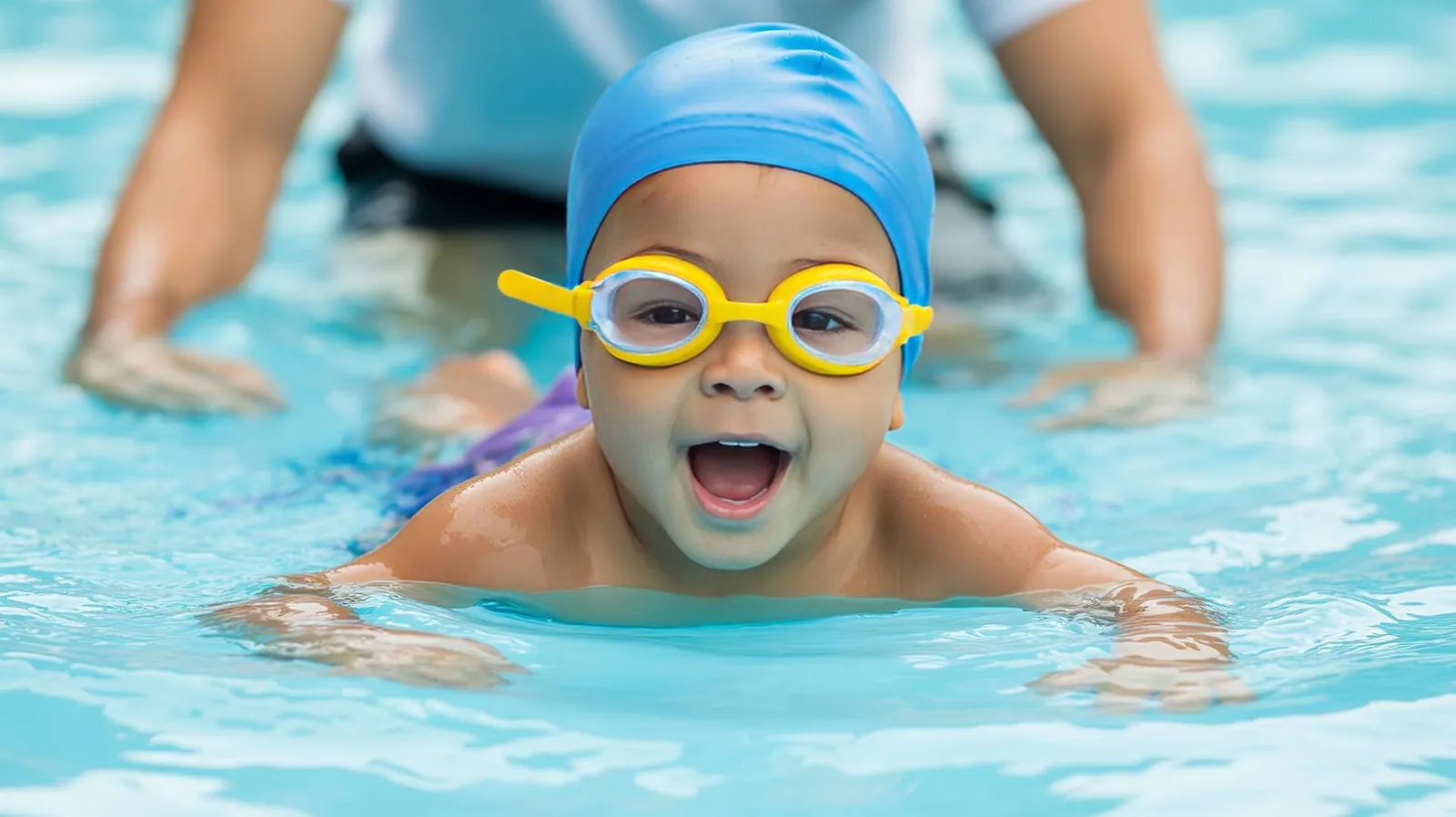
One of the most common questions we hear from parents is: "Does my child really need to swim year-round?" The short answer is yes — and the research and real-world results back it up. Year-round swimming lessons are one of the single biggest factors that separates swimmers who make steady, confident progress from those who plateau or regress between seasons.
Here's why consistent, year-round swimming lessons help kids progress faster — and what happens when they take extended breaks.
1. Skill Retention Drops Sharply During Breaks
Swimming is a motor skill, and like all motor skills, it requires regular reinforcement to stick. When children take long breaks from the pool — even just eight to twelve weeks — they often lose a significant portion of the skills they've built. This is especially true for younger swimmers whose nervous systems are still developing movement patterns.
What this means in practice: a child who finishes a summer session swimming confidently and then returns in September may need several weeks just to get back to where they left off. That's weeks of lesson time — and tuition — spent recovering ground rather than moving forward.
Year-round swimmers skip this regression entirely. They walk into each new session ready to build on what they already know, not to relearn it.
2. Confidence Is Built Through Repetition
Water confidence isn't just about technical skill — it's about how a child feels in the water. That feeling is built through thousands of small, positive repetitions over time. A child who swims weekly for twelve months accumulates roughly 48 lessons in a year. A child who only swims in summer might get 16–20.
That gap compounds quickly. After two or three years, year-round swimmers have experienced two to three times as many hours of instruction and water time. The difference in confidence, stroke quality, and water safety awareness is dramatic.
3. Swim Teacher Relationships Deepen Over Time
At Seal Swimming, our swim teachers get to know each swimmer — their learning style, their fears, their strengths, and what motivates them. That relationship takes time to build. When a child returns after a long break, it can take a few sessions just to re-establish that connection and trust.
Year-round swimmers benefit from continuity. Their swim teachers know exactly where they left off, what they struggled with, and what they're ready to tackle next. That personalised knowledge accelerates progress in a way that can't be replicated when starting fresh every spring.
4. The Curriculum Is Designed for Continuous Progression
Our structured curriculum is built around sequential skill development — each level builds directly on the one before it. The system works best when swimmers move through it continuously, without gaps that require backtracking.
When a swimmer completes a level in the fall, they're ready to start the next level in the winter. When they take the winter off, they often return needing a refresher at the previous level before they can move forward. Year-round enrolment keeps swimmers on the optimal progression path.
5. Water Safety Is a Year-Round Responsibility
Drowning doesn't take a season off. Lifesaving Society of Ontario drowning statistics show that incidents occur across all seasons — in backyard pools, lakes, and even bathtubs. The water safety habits and instincts built through consistent swimming lessons are most reliable when they're regularly reinforced.
Year-round swimmers develop a deeply ingrained relationship with water safety — one that becomes second nature rather than something they have to consciously recall. That kind of automatic, confident response in an emergency situation can save lives.
6. Year-Round Swimming Supports Overall Physical Development
Swimming is a full-body, low-impact activity that builds cardiovascular endurance, core strength, coordination, and flexibility. These benefits compound over time with consistent practice. Children who swim year-round tend to show stronger overall physical literacy — the ability to move confidently and competently in a variety of physical contexts.
ParticipACTION's annual Report Card on Physical Activity for Children and Youth consistently highlights that Canadian children need more consistent, structured physical activity. Year-round swimming is one of the most effective and accessible ways to meet that need.
What About Breaks Between Sessions?
At Seal Swimming, we run rolling sessions throughout the year with minimal gaps between them. This means you can keep your swimmer in the water consistently without long stretches of downtime. When a session ends, the next one begins — so progress never has to pause.
We offer programs for every age and stage, from Baby Seal for infants and toddlers, through Seal Pups for preschoolers, Swim Stars for school-age children, Swim Squads for performance-focused swimmers, and Adult Swim Training for teens and adults.
Ready to Commit to Year-Round Progress?
If your child has been swimming seasonally and you're ready to see what consistent, year-round lessons can do, we'd love to help you get started. Take our free Swim Assessment to find the right program and level, or register directly for our next session.
Have questions? Browse our Knowledge Base or reach out to our team — we're always happy to talk through the best path forward for your swimmer.