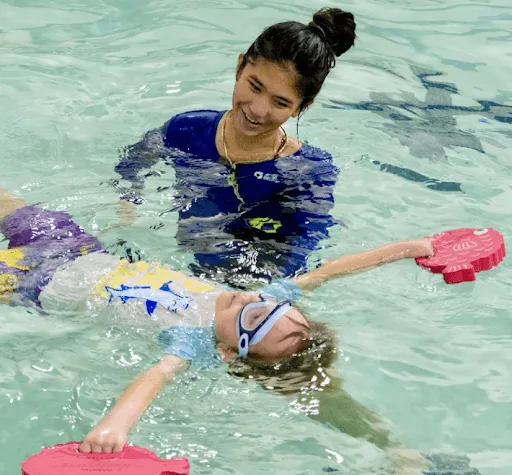
Swimming is one of the most effective ways to build physical literacy in children. It develops fundamental movement skills, bilateral coordination, cardiovascular fitness, water safety awareness, and genuine self-confidence — all in a single activity. For Toronto families looking to give their children a strong foundation in physical development, swim lessons are one of the most impactful investments they can make.
Every parent wants their child to grow up active, confident, and capable — not just in one sport, but across all kinds of physical challenges throughout life. That's what physical literacy is about. And one of the most powerful tools for building it? Swimming. If you're wondering why aquatic skills matter so much, our post on why every child should learn to swim makes the full case.
At Seal Swimming, we see this every day: children who learn to swim don't just become better swimmers — they become more coordinated, more confident, and more capable movers in everything they do. This article explores why swimming is one of the most complete physical literacy activities available to children, and how it connects to Canada's leading framework for long-term athletic development.
What Is Physical Literacy?
Physical literacy is defined as the motivation, confidence, physical competence, knowledge, and understanding to value and take responsibility for engagement in physical activities throughout life. It's not about becoming an elite athlete — it's about developing the fundamental movement skills, body awareness, and self-belief that allow a person to participate actively and joyfully in physical life at every age.
The concept is championed in Canada by Sport for Life, the organization behind Canada's Long Term Athlete Development (LTAD) framework. Physical literacy is considered the foundation of the entire LTAD model — the prerequisite for healthy, sustained participation in sport and physical activity across a lifetime.
The Physical Literacy Canada initiative identifies four key pillars of physical literacy:
- Physical competence — the ability to move with skill in a variety of environments
- Motivation and confidence — the desire and belief to be active
- Daily behaviour — choosing to be physically active as a regular part of life
- Knowledge and understanding — knowing how and why to move well
Swimming contributes meaningfully to every single one of these pillars — which is why it holds a special place in Canada's approach to child development through sport.
The Canadian LTAD Model and Swimming
Canada's Long Term Athlete Development (LTAD) model, developed by Sport for Life, outlines a stage-by-stage framework for developing athletes from early childhood through to the master athlete stage. The early stages — _Active Start_ (0–6 years) and _FUNdamentals_ (6–9 years) — are the most critical windows for physical literacy development, and swimming is explicitly identified as one of the essential activities during these years.
The LTAD model emphasizes that children who develop fundamental movement skills early — running, jumping, throwing, catching, and swimming — are far more likely to remain active throughout their lives. Conversely, children who miss these early developmental windows often struggle to catch up later, making early exposure to structured aquatic activity particularly valuable.
Swimming Canada's Learn to Swim framework is built directly on LTAD principles, structuring skill development from basic water comfort through to advanced stroke proficiency in a deliberate, progressive sequence — exactly the approach we use at Seal Swimming.
The LTAD model also highlights that swimming is unique among physical activities because it develops competence in an aquatic environment — a fundamentally different movement context than land-based sports. This means swim skills don't just complement other sports; they open an entirely separate domain of physical capability and safety.
How Swimming Builds Physical Literacy
1. Fundamental Movement Skills in a Unique Environment
The LTAD framework identifies two categories of fundamental movement skills: _locomotion_ (moving through space) and _stability_ (controlling the body). Swimming develops both — but in water, where buoyancy, drag, and resistance create a completely different physical challenge than land-based movement.
Learning to propel the body through water requires children to develop spatial awareness, body control, and proprioception (the sense of where the body is in space) in ways that running, jumping, or climbing simply cannot replicate. These aquatic movement skills build neural pathways that enhance overall body awareness — skills that transfer directly to improved performance in other sports and everyday physical activities.
2. Coordination and Bilateral Motor Development
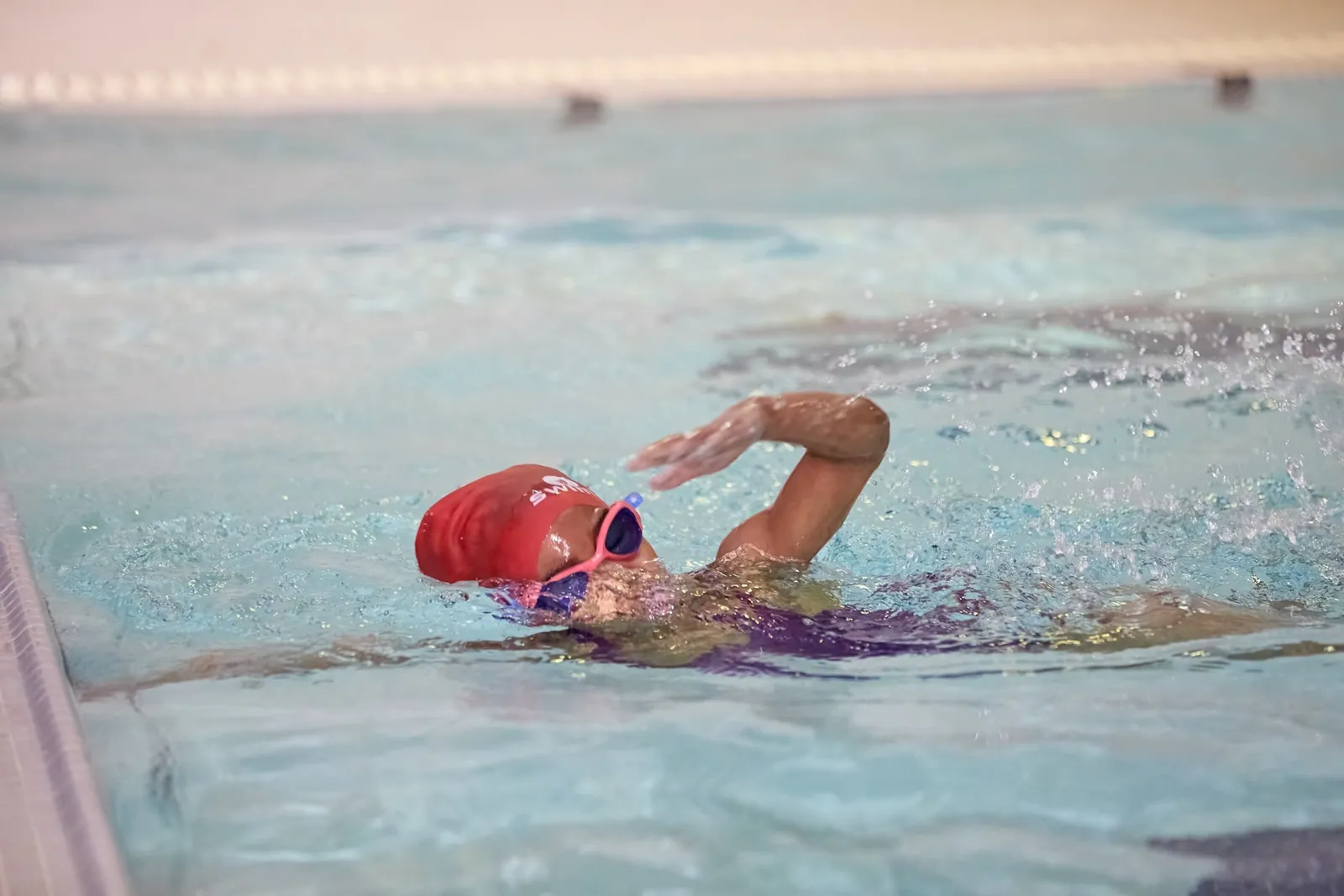
Swimming is one of the few activities that requires simultaneous, coordinated use of both sides of the body in complex, rhythmic patterns. Front crawl, backstroke, and breaststroke each demand a different coordination pattern — arms and legs working together in precise timing while the body rotates and the breath is controlled.
This bilateral, cross-body coordination is directly linked to neurological development. Research supports that activities requiring coordinated use of both body halves strengthen the connections between the brain's hemispheres — supporting not just athletic performance, but cognitive development as well.
3. Strength, Endurance, and Cardiovascular Health
Water provides natural resistance in every direction of movement, making swimming an exceptional full-body strength and conditioning activity — without the impact stress of land-based sports. Children who swim regularly develop core strength, upper and lower body muscular endurance, and cardiovascular fitness in a low-risk environment.
The LTAD model emphasizes that the _FUNdamentals_ and _Learning to Train_ stages (roughly ages 6–12) are critical windows for developing aerobic capacity and general physical conditioning. Swimming during these years builds the physical foundation that supports participation in virtually any sport a child may pursue later.
ParticipACTION's annual Report Card on Physical Activity for Children and Youth consistently highlights that children who engage in a variety of physical activities — including aquatic activity — develop stronger overall motor skills and are more likely to remain active into adulthood.
4. Confidence, Risk Awareness, and Emotional Regulation
Physical literacy isn't only physical — confidence and motivation are central pillars of the framework. Learning to swim in a safe, structured environment gives children a profound sense of accomplishment. Each new skill mastered — floating independently, swimming a full length, learning to tread water — is a concrete achievement that builds genuine self-efficacy.
Water also teaches children about risk in a controlled, instructive way. Understanding their own limits, learning to read their environment, and developing the courage to try something new are all part of becoming water-confident. These lessons in risk awareness and self-regulation extend far beyond the pool.
Read our post on maintaining your swimmer's confidence year-round for practical strategies to support this development between lessons.
5. Social Development and Teamwork
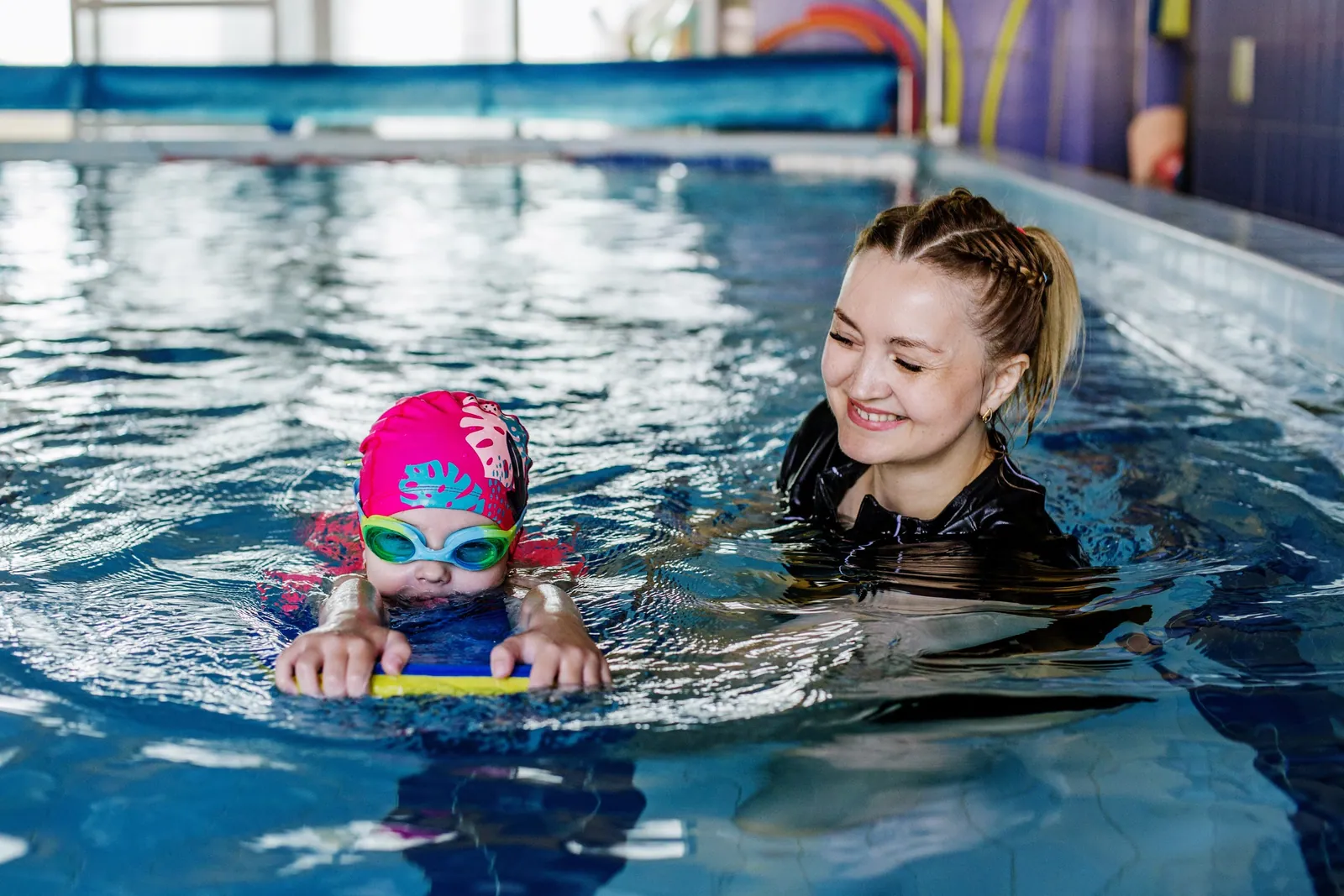
Group swim lessons are a rich environment for social learning. Children take turns, encourage each other, listen to an swim teacher, and navigate the social dynamics of a shared learning space. These experiences build communication skills, patience, and the ability to learn within a group — all essential life skills that the LTAD model recognizes as part of holistic athlete development.
As swimmers progress into programs like Swim Squads, the team dimension becomes even more pronounced — with shared goals, peer encouragement, and the development of a genuine swimmer identity.
Seal Swimming's Approach to Physical Literacy
At Seal Swimming, our programs are structured to align with both the LTAD model and Swimming Canada's progressive skill framework. Every level is designed to build on the last, ensuring that children develop genuine competence — not just familiarity — with each skill before advancing.
Our full program pathway supports children from their very first water experience through to advanced leadership development:
- Baby Seal — Water introduction for infants from 6 months, focused on comfort, bonding, and early aquatic exposure during the critical Active Start stage.
- Seal Pups — Building independence and foundational water skills for toddlers and preschoolers during the FUNdamentals stage.
- Swim Stars (Ages 3–12) — Our core structured program, developing all four competitive strokes, water safety, and progressive endurance through the Learning to Train and Training to Train stages.
- Swim Squads — Stroke refinement, endurance, and performance for swimmers ready to push beyond the basics.
- Lifeguarding & Leadership — Bronze Medallion, Bronze Cross, and National Lifeguard certification for teens pursuing the highest levels of aquatic competence.
Our Curriculum Goals and Objectives outline the specific skills developed at each stage, and our SplashCheck skills tracking system gives families real-time visibility into their child's progress — so you always know exactly where your swimmer stands and what they're working toward next.
Not sure where your child should start? Our guide to choosing the right program walks through the key considerations, or you can take our free Swim Assessment for a personalized recommendation.
Why Early Is Better — But It's Never Too Late
The LTAD model is clear that the early years — particularly ages 0–9 — represent the most sensitive windows for developing fundamental movement skills, including aquatic competence. Children who learn to swim during this period develop water confidence and physical literacy foundations that stay with them for life.
But the LTAD model also recognizes that development is ongoing. Children who begin swimming later can still develop strong physical literacy through swimming — the pathway may be steeper, but the benefits are just as real. Whether your child is 18 months or 10 years old, starting now gives them a head start on a lifetime of active, confident movement.
For more on how our structured levels support progressive development, read our guide to understanding swim levels and how to progress quickly. And for the building blocks of good technique, our post on swimming technique for beginners covers everything families should know about developing proper form from the start.
Supporting Physical Literacy at Home
Physical literacy development doesn't stop at the pool's edge. Families play a critical role in reinforcing the skills, confidence, and habits built in lessons. Our Home Practice Recommendations guide includes specific activities you can do with your child to support their progress between lessons — both in and out of the water.
The LTAD model also encourages multi-sport participation during the FUNdamentals and Learning to Train stages. Swimming pairs exceptionally well with other sports: the core strength, coordination, and body awareness developed in the pool translate directly to improved performance in soccer, gymnastics, hockey, dance, and virtually any other physical activity your child pursues. Read our in-depth guide on how swimming prepares kids for success in other sports for a closer look at these cross-sport benefits.
Start Building Physical Literacy Through Swimming
Swimming is one of the most complete physical literacy activities available — developing movement competence, confidence, coordination, strength, and social skills in a unique and irreplaceable environment. And at Seal Swimming, we've built our entire program pathway to deliver exactly that: a progressive, joyful, skill-focused experience that gives every child the aquatic foundation they need to thrive.
With locations across Toronto and North York, there's a Seal Swimming pool near you. Contact our team with any questions, or register today to secure your child's spot in our next session.
Because physical literacy isn't just a goal for the pool — it's a foundation for life.
Related Reading
Frequently Asked Questions
What is physical literacy in swimming?
Physical literacy in swimming refers to the motivation, confidence, and physical competence to move safely and effectively in aquatic environments. It includes fundamental water skills (floating, kicking, breathing), body awareness, and the knowledge to make safe decisions in and around water. Swimming builds physical literacy not just in the pool — the coordination, strength, and body awareness developed through swim lessons transfer directly to other sports and everyday movement.
At what age should children start swimming lessons to build physical literacy?
Canada's Long Term Athlete Development (LTAD) model identifies ages 0–9 as the most sensitive window for developing fundamental movement skills, including aquatic competence. Seal Swimming offers Baby Seal classes from 6 months of age. However, it is never too late — children who begin lessons at any age can still develop strong physical literacy through swimming.
How does swimming support development in other sports?
Swimming builds core strength, bilateral coordination, cardiovascular endurance, and body awareness — all of which transfer directly to other sports. Children who swim regularly tend to show stronger overall motor skills, better spatial awareness, and greater physical confidence in activities like soccer, gymnastics, hockey, and dance. The LTAD model specifically recommends swimming as a complementary activity during the FUNdamentals and Learning to Train stages (ages 6–12).
How is Seal Swimming's curriculum aligned with physical literacy principles?
Seal Swimming's programs are structured to align with both the LTAD model and Swimming Canada's progressive skill framework. Each level builds deliberately on the one before it, ensuring children develop genuine competence before advancing. Our SplashCheck skills tracking system gives families real-time visibility into their child's progress, and our Curriculum Goals and Objectives outline the specific skills developed at each stage.