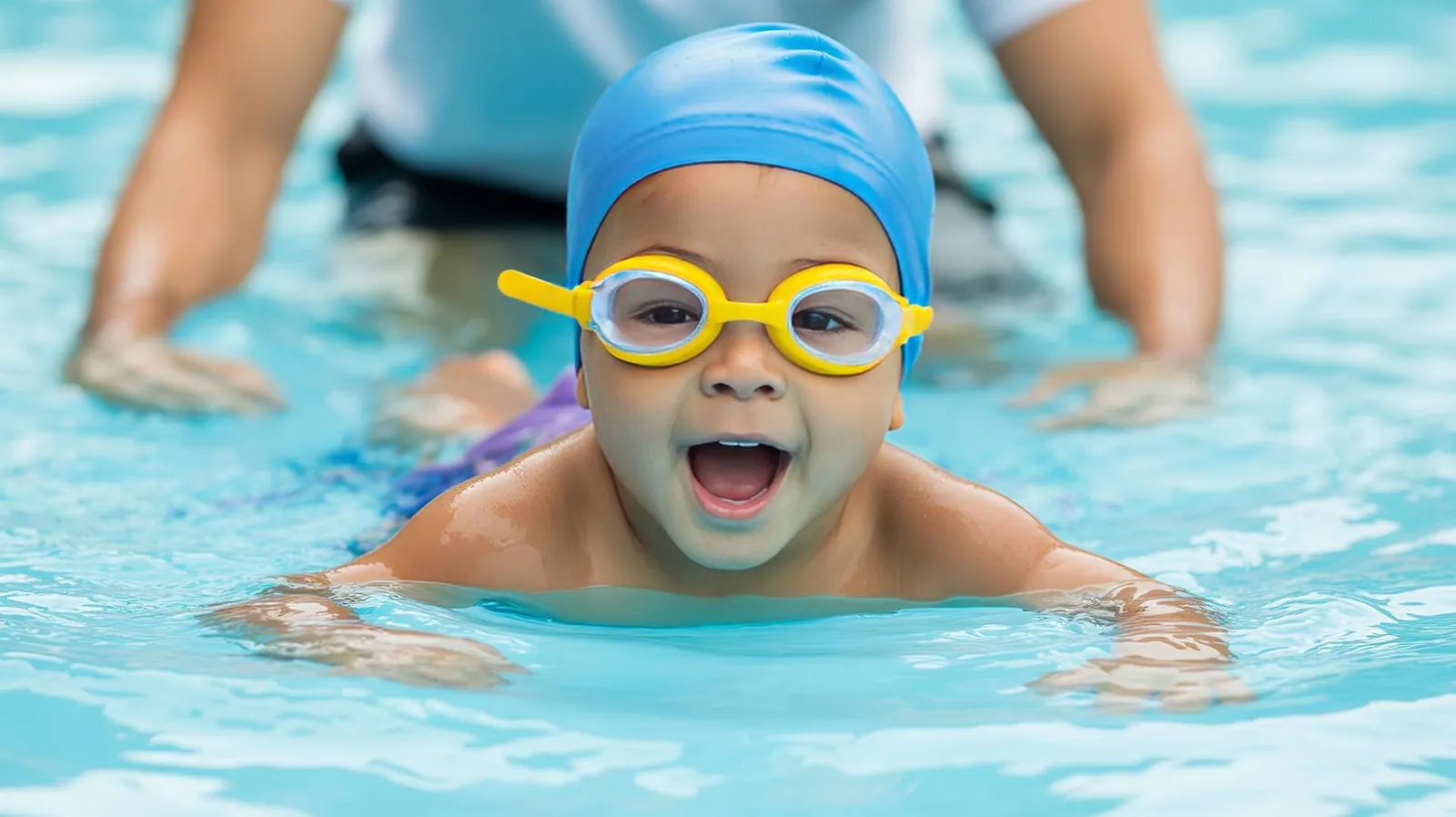
Watching your child feel scared near the pool can be incredibly hard. Many parents in Toronto share this experience, especially when their son or daughter hesitates, clings tightly, or refuses to even dip a toe in the water. You might picture them eventually becoming confident swimmers — moving comfortably through the water, building strong swimming skills, and staying safe around any pool or lake. That future can feel far away when fear takes over in the present moment.
The good news is that fear of water is common, and it can be worked through with patience, consistency, and the right support. Swimming lessons, when approached with care, can help your child build confidence, develop essential water safety habits, and grow into a competent swimmer.
The path forward does not require rushing. It starts with understanding what your child is feeling and choosing a swim school in Toronto that respects their pace.
Understanding Water Fear Before Starting Swimming Lessons
Fear of Water Is More Common than You Think
Fear of water shows up in many kids — from babies and toddlers to school-age children and even teens. For some, the pool feels overwhelming because of noise, temperature, or the sensation of water on their face. Others feel uneasy because they cannot control their bodies the way they can on land. A previous experience, even something small like slipping or swallowing water, can leave a lasting impression.
In swim programs across Toronto, swim teachers see this every week. It is a normal part of learning. According to the Lifesaving Society of Ontario, lack of swimming ability and water confidence are among the most significant risk factors for drowning in Canada — which is why building comfort in the water matters so much, at every age.
Before any real swimming skills develop, a child needs to feel safe. That sense of safety is the foundation of water confidence, and it plays a major role in long-term water safety.
What Fear Looks Like at Different Ages
Fear does not always look the same. Toddlers often show it through clinginess, crying, or refusing to leave a parent's arms. Babies might tense up, turn their head away from water, or become unusually quiet. School-age kids sometimes express fear through hesitation, complaints, or sudden refusal during swim classes. Older kids and teens may withdraw or try to avoid swim lessons altogether. Some stay silent, which can make it harder for parents and swim teachers to recognize how strong the fear really is.
Recognizing these signs helps parents and swim teachers respond with the right kind of support. Every child moves through learning at their own pace, and understanding their emotional response allows swim teachers to build skills gradually.
The Mistake Most Parents Make (And Why It Backfires)
Many parents try to encourage bravery by pushing their child into the water or urging them to "just try." While the intention comes from a good place, this approach often increases fear and reduces confidence.
Fear is a form of communication. It signals that a child needs more time, more reassurance, or a different approach. When fear is dismissed or rushed, children can associate the pool with stress instead of fun. That association can slow progress in swim lessons and make it harder to build skills later.
A better approach focuses on trust first, then progress. When children feel heard and supported, they are more open to learning and trying new movements in the water. For a detailed, step-by-step breakdown of this approach, read our guide on overcoming fear of water.
Building Water Confidence at Home Before Swim Classes
The good news is that you do not have to wait until your child is standing at the edge of a pool to start building water confidence. Small, playful interactions with water at home lay the groundwork that makes swim classes far less intimidating. The goal is to create positive associations with water across all its forms, one relaxed experience at a time.
Here are a few helpful ways to build water confidence:
- Let your child control the pace of water play — whether that means splashing, pouring, or simply sitting near the water
- Practice putting hands and feet in the water before progressing to the face
- Use toys, games, and songs to make the experience feel fun and relaxed
- Celebrate small moments, such as blowing bubbles or getting water on their shoulders
- Visit the pool as a spectator before lessons begin
These early interactions support water safety in a low-pressure environment. Over time, your child begins to connect water with enjoyment rather than fear — making it much easier for swim teachers to build skills during lessons.
What to Look for in a Swim School for Nervous Swimmers
Not all swim schools offer the same experience. For nervous swimmers, the environment can shape how quickly they feel comfortable. A warm pool, small class sizes, and a calm atmosphere can make a noticeable difference.
Teaching Approaches That Support Emotional Safety
The most effective swim teachers understand that learning to swim involves both physical and emotional development. Strong swim programs focus on gradual exposure, play-based learning, and consistent encouragement.
Look for swim schools that emphasize the following:
- Gradual progression through skill levels so children are never overwhelmed
- Play-based activities that make lessons feel fun while still building skills
- Patient swim teachers who adjust techniques based on each child's comfort level
- A balance between water safety, skill development, and enjoyment
These approaches help children build confidence while learning essential skills — improving endurance, practicing movements like breath control and floating, and developing the foundational strokes that carry them through every swim level.
Questions to Ask Before Enrolling in Swim Classes
Before choosing a swim school in Toronto, it helps to ask a few key questions. This gives you insight into how the program supports nervous swimmers.
Consider asking:
- How do swim teachers respond when a child is afraid during lessons?
- Are parents allowed to stay nearby or participate in early classes?
- How flexible is the progression through different skill levels?
- Do you offer private lessons or semi-private options for extra support?
The answers will help you find a program that aligns with your child's needs and creates a positive learning experience. You can also explore our frequently asked questions to learn more about how Seal Swimming programs are structured.
How Seal Swimming Helps Children Feel Safe, Not Scared
A Child-First Approach to Swimming Lessons in Toronto
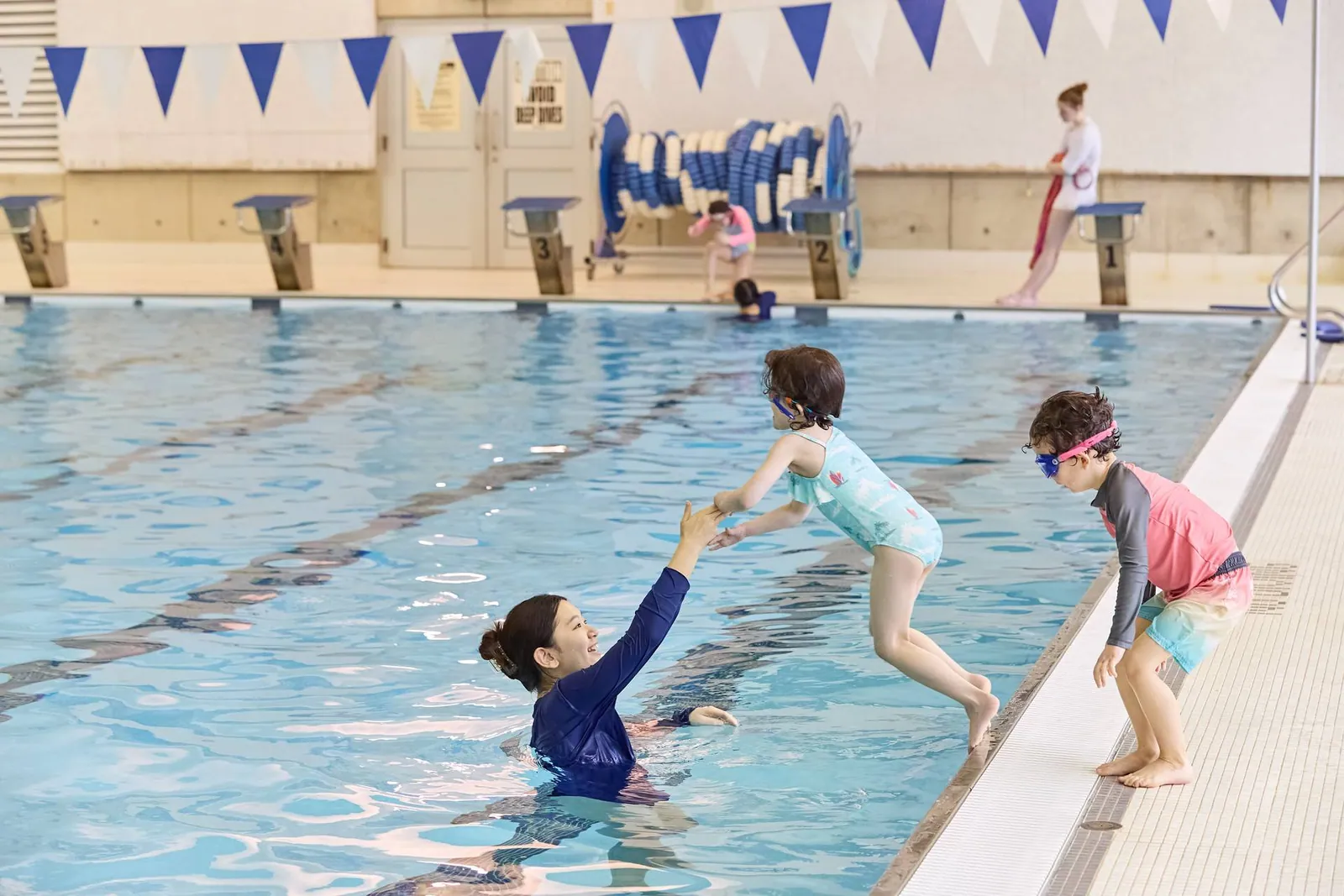
At Seal Swimming, the focus stays on the child's comfort from the very first class. In a busy city like Toronto, families need a swim school that understands how to support beginners, toddlers, and even adults who feel unsure in the water.
Programs are designed to create a welcoming community where kids, teens, and families feel supported. The goal is to build water confidence while making each lesson feel fun and rewarding. Families can choose from a range of programs, including:
- Baby Seal — parent-and-baby swim classes for infants and toddlers up to 3 years old
- Seal Pups — beginner lessons for young children learning independence in the water
- Swim Stars — progressive group lessons for school-age children across all skill levels
- Private Lessons — one-on-one sessions for swimmers who need focused, individualized support
- Adult Swim Training — for adults ready to build or rebuild their water confidence
Swim Teachers Who Understand Fear and Build Real Swimming Skills
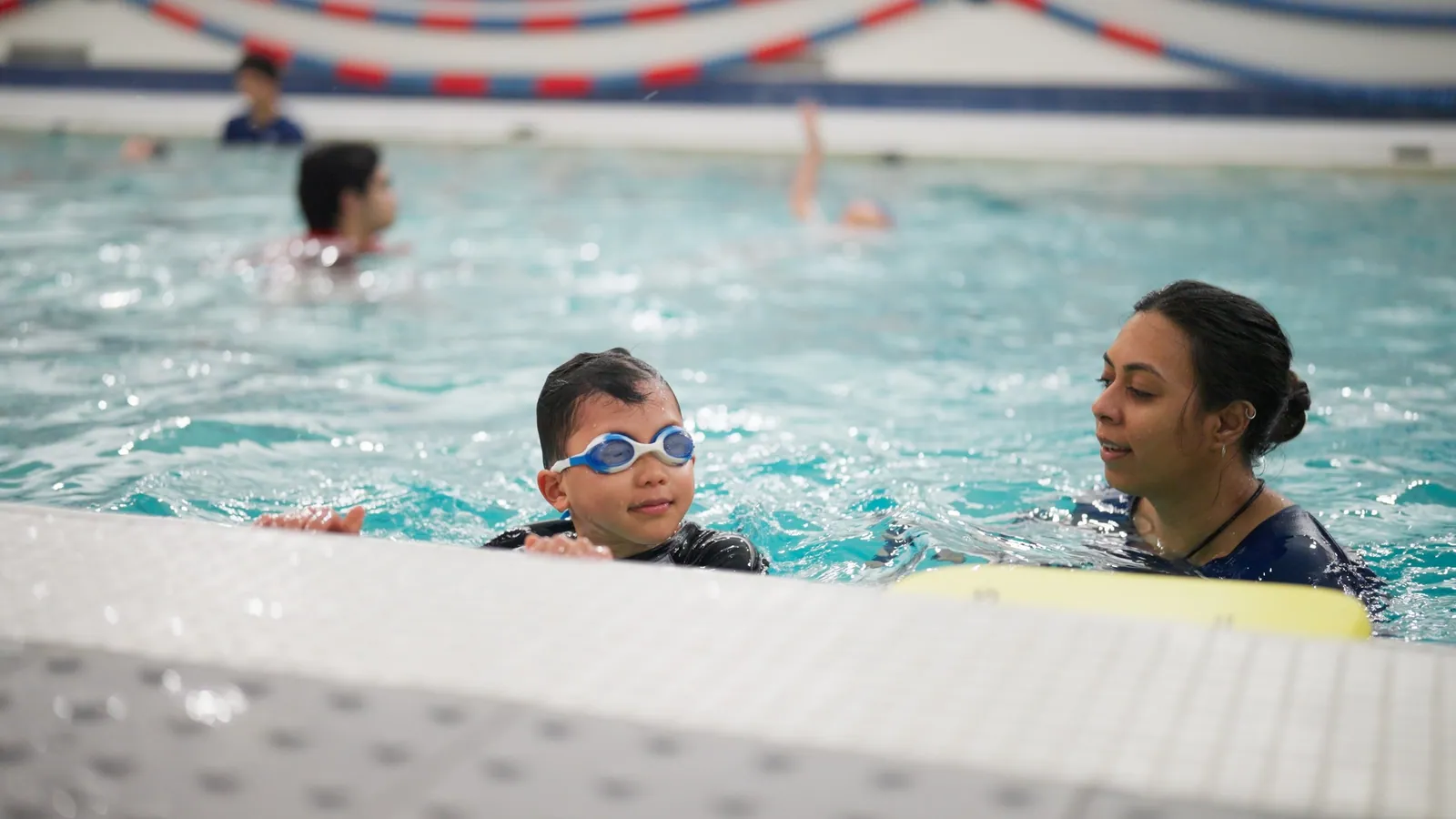
Seal Swimming swim teachers are trained to recognize fear and respond with patience. They hold certifications through the Lifesaving Society and maintain up-to-date first aid training. This background supports both safety and skill development.
Children learn more effectively when they feel supported. Swim Teachers celebrate small wins — whether that means putting their face in the water, floating independently, or practicing basic swimming skills. Over time, swimmers build:
- Strong water safety habits, including safe entry, floating, and controlled breathing
- Foundational strokes and the endurance to use them
- Coordination and body awareness through consistent, structured practice
- Confidence that carries into other areas of life
This steady approach helps students move through different skill levels without pressure. If you are unsure which program is the right fit, our free Swim Assessment can help point you in the right direction.
Creating Confident Swimmers at Their Own Pace
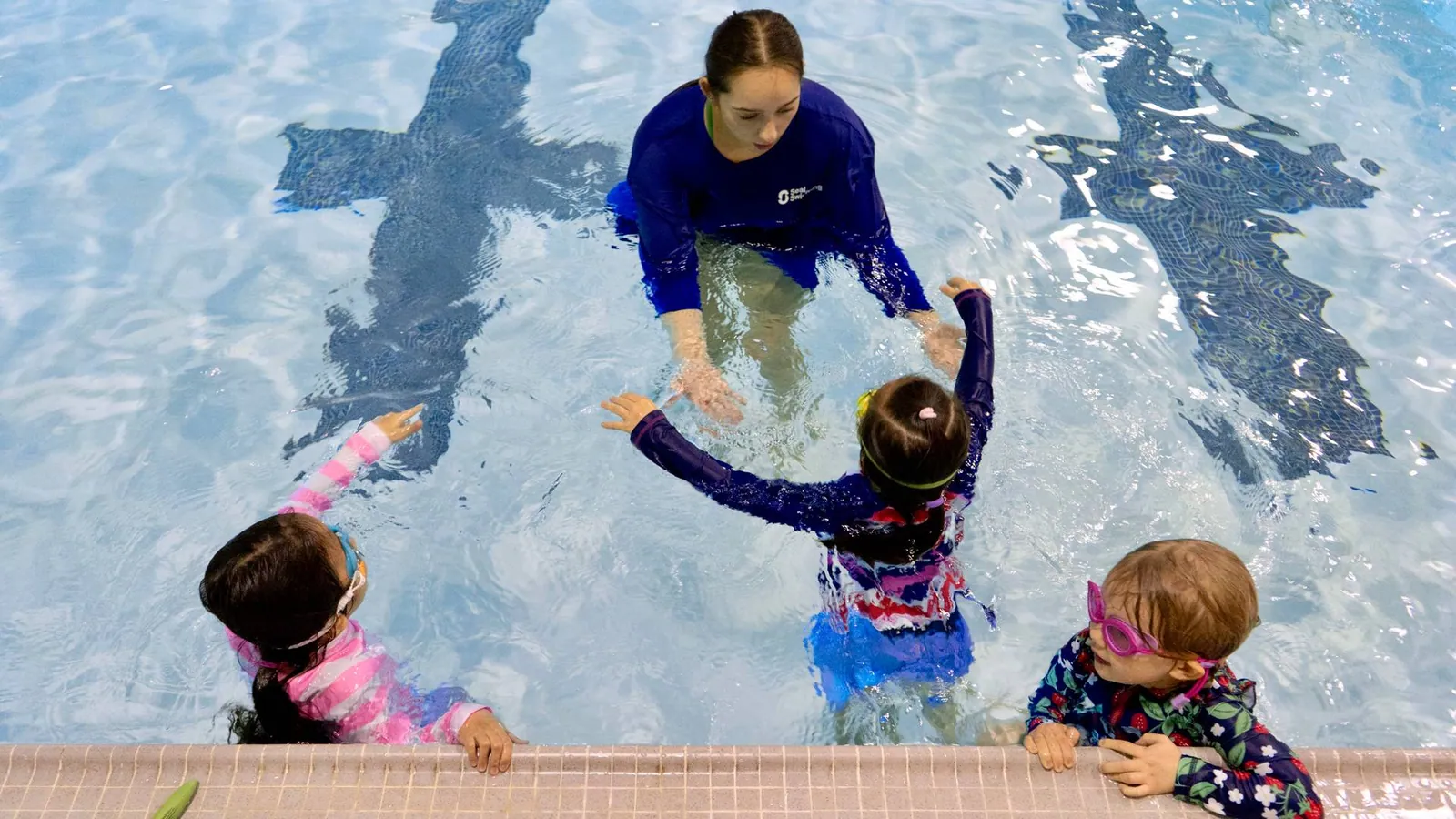
Every child learns differently. Some progress quickly, while others need more time to feel comfortable. Seal Swimming programs respect this difference by allowing swimmers to move at their own pace.
Small groups and individual attention help swim teachers adjust each lesson based on the student's needs. For those who benefit from more focused support, private lessons and semi-private options are available.
Over weeks of consistent lessons, children begin to feel more independent in the water. They develop stronger skills, better endurance, and a sense of confidence that extends well beyond the pool.
Ready to Take the First Step?
Starting swim lessons can feel like a big step when your child is afraid. Taking it slowly, choosing the right swim school, and focusing on comfort first can make all the difference.
If you are in Toronto, Seal Swimming offers programs designed for beginners, nervous swimmers, and families who want a positive introduction to the water. With experienced swim teachers, small class sizes, and a strong focus on safety, your child can begin building skills in a supportive environment.
We have pool locations across Toronto — find the one nearest to you and register today to get started. Have questions before you sign up? Reach out to our team — we are happy to help.