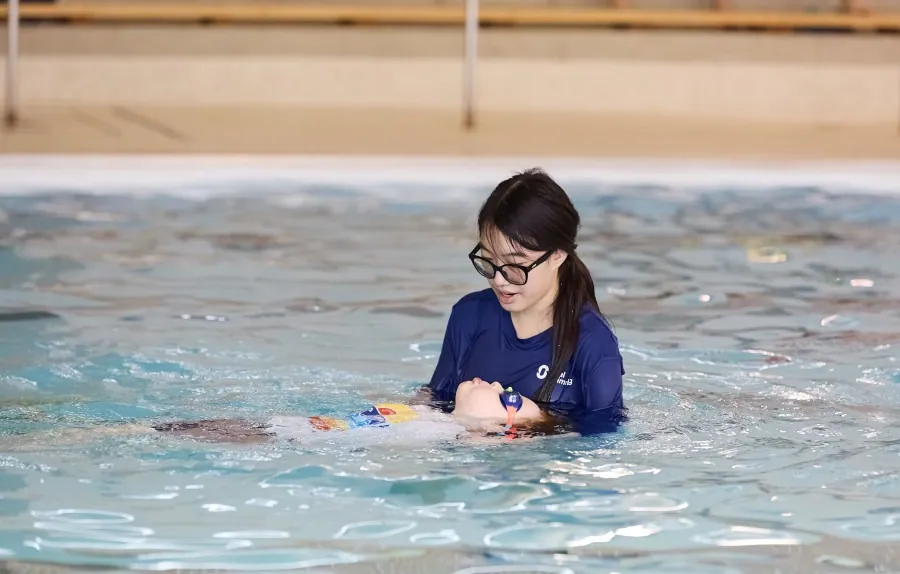
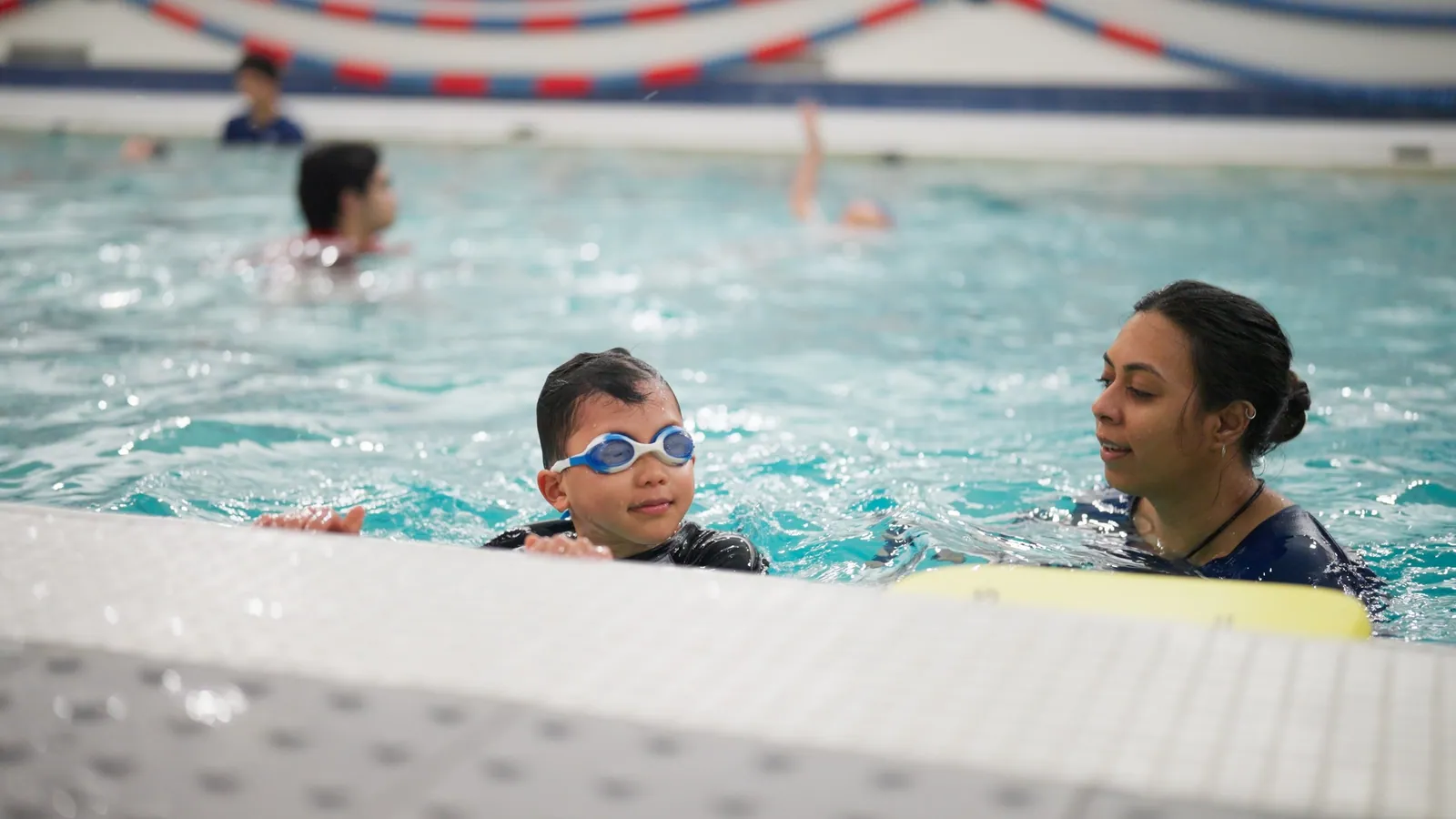
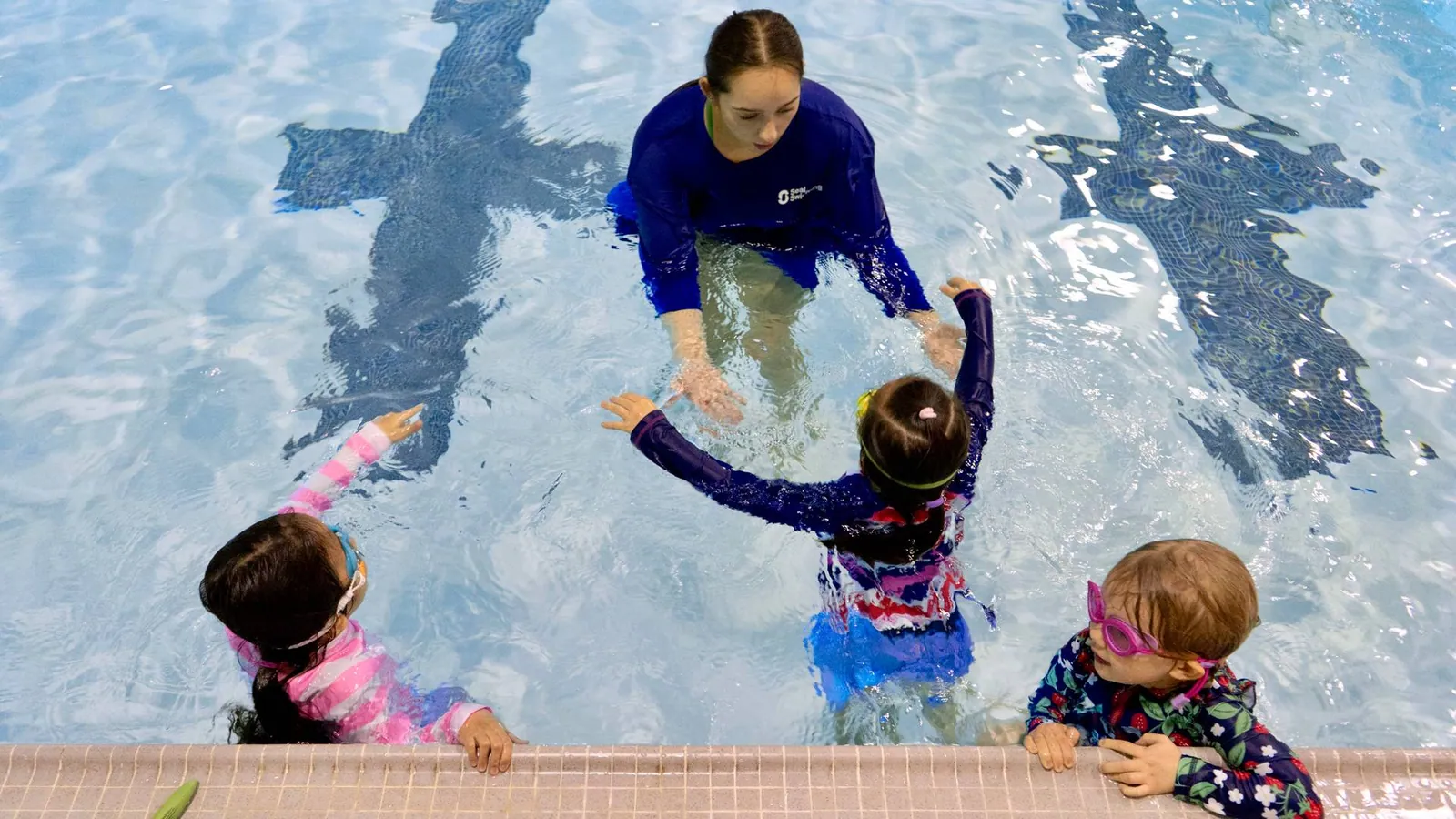
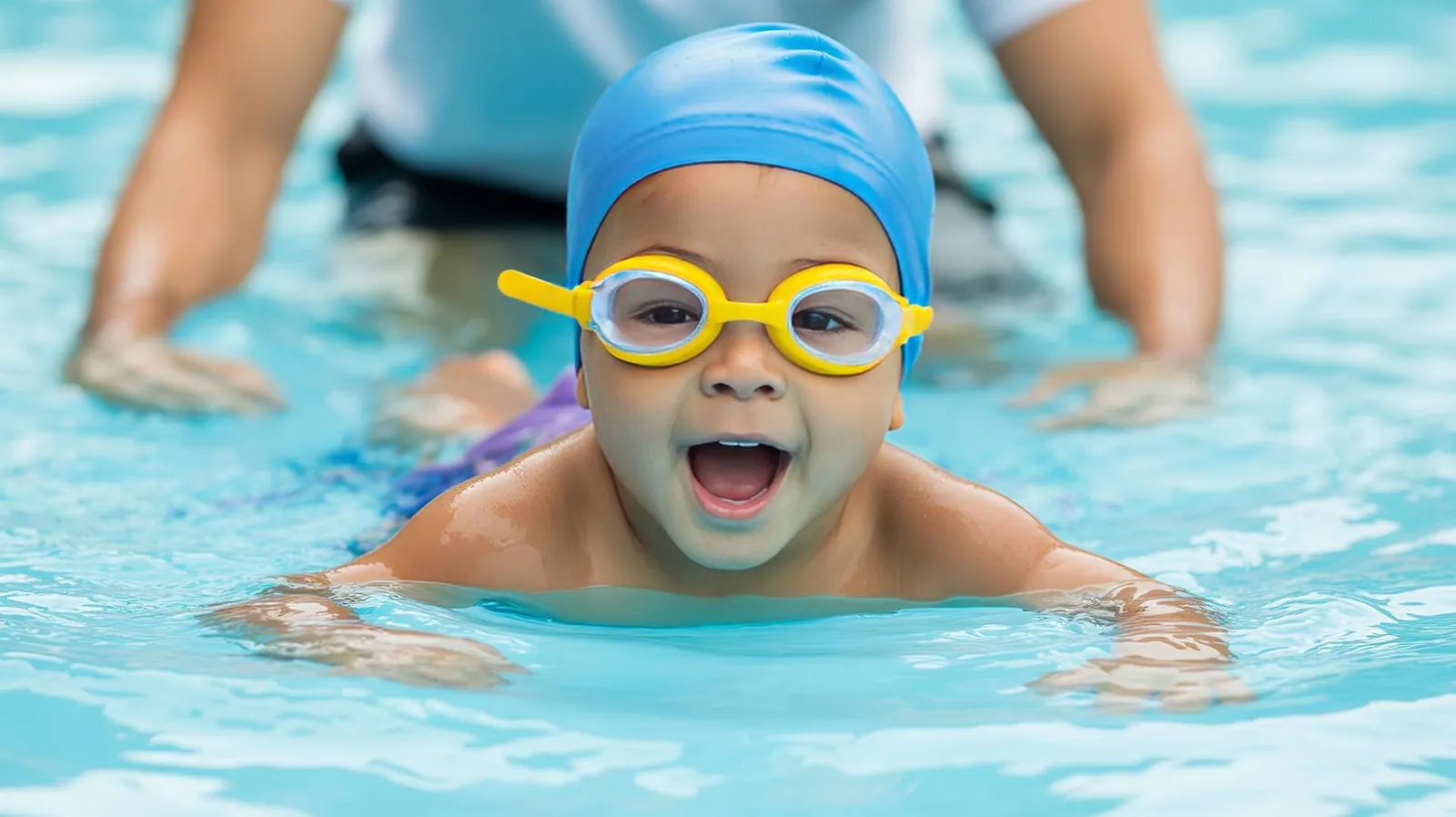
Technique matters in swimming — but confidence matters more. A child who believes they can do something will keep trying until they can. A child who doesn't believe it will stop long before they get there. At Seal Swimming, we've seen it countless times: the swimmer who's technically capable but holds back, and the one who's still learning but dives in fearlessly. Confidence is the variable that unlocks everything else.
The good news is that confidence isn't fixed — it's built, deliberately and consistently, through the right environment, the right habits, and the right conversations. Here's how to keep your swimmer's confidence strong across every season.
1. Celebrate Small Wins — Every Single One
Confidence is built incrementally, not in one big leap. Every small achievement — putting their face in the water, floating without support, making it halfway across the pool — is a building block. When those moments are noticed and celebrated, they compound into a deep sense of competence over time.
You don't need grand gestures. A genuine "I saw that — you did it!" in the right moment is worth more than any trophy. Sticker charts, high-fives, a special post-lesson treat — whatever resonates with your child — all reinforce the message that their effort is seen and valued.
For more ideas on marking progress meaningfully, read our post on The Best Ways to Celebrate Swimming Milestones.
2. Keep Lessons Consistent Year-Round
One of the most common confidence killers in swimming is the summer-only cycle: enrol in June, stop in September, start again the following June — and spend the first few weeks of each new season rebuilding what was lost over the winter.
Consistency is everything. Regular weekly lessons give children a familiar environment, familiar faces, and a continuous sense of forward momentum. Gaps in practice don't just affect physical skill — they affect how a child _feels_ about their ability. Re-entering the pool after a long break can feel like starting over, and that can be discouraging.
The Canadian Paediatric Society recommends ongoing, consistent swimming instruction rather than sporadic sessions — both for skill retention and for building the water safety habits that become second nature only through regular practice.
Seal Swimming offers programs year-round across multiple Toronto and North York locations. Our rolling session structure makes it easy to maintain a consistent routine without gaps. Read our guide on how often your child should attend swim lessons for more detail.
3. Focus on Effort, Not Outcomes
The research on this is unambiguous: children who are praised for their effort ("You worked so hard on that today") develop more resilience and persistence than children praised for outcomes or innate ability ("You're so talented"). Carol Dweck's foundational research on growth mindset at Stanford shows that effort-focused praise builds internal motivation that sustains long-term learning — while outcome-focused praise can actually make children more fragile when they face difficulty.
In practice, this means shifting how you talk about swimming. Instead of "Did you win?" or "Were you the best?", try "What did you work on today?" or "What felt hard, and what did you do about it?" These questions signal that the process — not the result — is what matters to you.
4. Handle Setbacks with Calm and Perspective
Every swimmer has bad days. A skill that seemed mastered last week suddenly feels impossible. A new level feels overwhelming. A lesson ends in tears. These moments are not signs of failure — they are a normal and necessary part of learning.
How you respond to these moments shapes your child's relationship with difficulty. If you stay calm, curious, and encouraging — "That was a hard one. What do you think made it tricky?" — you model the emotional regulation that helps children bounce back. If you express frustration or rush to fix it, the message received is that struggle is a problem rather than a process.
Our coaches at Seal Swimming are trained to handle setbacks in exactly this way — with patience, reframing, and the kind of steady encouragement that turns a hard moment into a growth moment. Our Teaching Methodologies outline how we approach challenge and skill development in every lesson.
5. Choose Coaches Who Build Confidence, Not Just Skill
The relationship between a child and their swim teacher has an outsized impact on confidence. A coach who notices effort, uses positive language, and makes children feel safe to try — and fail — creates an environment where confidence grows naturally alongside skill.
At Seal Swimming, our swim teachers are trained in both technical swim instruction and child development. They understand that how a child feels in the water is just as important as what they can do in it. Our Swim Teacher Qualifications outline the training and certification standards we hold our team to.
Research in sports coaching psychology consistently shows that the quality of the coach-athlete relationship is one of the strongest predictors of a young athlete's confidence, enjoyment, and long-term participation in sport.
6. Support Confidence Outside the Pool Too
A child's confidence in the pool doesn't exist in isolation — it reflects how they feel about themselves more broadly. Children who feel physically capable, emotionally secure, and socially connected tend to approach challenges in the water with more courage and resilience.
Encourage a wide range of physical play and activity outside of lessons. Unstructured outdoor play, creative activities, and family time all contribute to the self-belief that shows up when your child stands at the pool edge deciding whether to jump.
Swimming is also a powerful contributor to overall well-being. Research published in the National Library of Medicine links regular aquatic exercise in children to improved mood, reduced anxiety, and greater overall self-esteem — creating a positive cycle where swimming builds confidence, and confidence builds better swimmers.
7. Have Regular Conversations About Their Swim Journey
One of the simplest and most powerful things you can do is talk with your child about their swimming — not just asking "How was it?" but asking real questions that show you're paying attention.
- "What was the hardest thing you worked on today?"
- "Was there a moment where you surprised yourself?"
- "What are you looking forward to trying next?"
These conversations communicate that their experience matters to you, that progress is worth reflecting on, and that you see them as a capable, growing swimmer. Children who feel genuinely seen by their parents tend to take more risks, persist longer through difficulty, and enjoy the journey more.
Our SplashCheck skills tracking system gives parents a real-time window into what their child is working on and achieving each session — making these conversations easier and more specific.
Keep the Momentum Going at Seal Swimming
Confidence in the water is a year-round project — and it's one of the most worthwhile investments you can make in your child's development. At Seal Swimming, we offer programs for every age and stage, from Baby Seal through to Swim Squads, with a team of coaches who genuinely care about how your child feels in the water, not just what they can do in it.
Not sure which program is right for your child right now? Take our free Swim Assessment for a personalized recommendation, or reach out to our team — we're always happy to help.
Register today and give your swimmer the consistent, supportive environment where confidence grows season after season.