Most kids show up to their first swim lesson with no idea what's expected of them on a pool deck. That's where you come in. A few minutes of coaching at home can shape how quickly your child learns, how safe they stay, and how much they enjoy the experience.
At Seal Swimming, we've noticed that the kids who progress fastest tend to have parents who walked them through pool etiquette before lesson one. Respectful behaviour creates a safer learning environment, and kids who know the rules can focus on swimming instead of worrying about doing something wrong.
If you're looking into swim kids lessons Toronto families can trust, here's what every parent should teach their child before those first swim lessons.
Why Pool Etiquette Matters for Your Child's Learning
Swimming pools are shared spaces, and aquatic facilities require more attention to behavior than most other recreation programs. The pool deck is wet, sound carries, and the environment can feel overwhelming for young people who are already nervous about getting in the water or attending swim lessons.
A Calmer Pool Means Better Learning
When kids follow the same set of expectations as their classmates, several wonderful things happen. They feel safer because the chaos is reduced. Their swim teacher can give full attention to teaching basic swimming skills rather than managing behaviour.
Other kids in the class progress faster because lessons run smoothly. And most importantly, the pool stays a place where kids love coming back week after week to develop their swimming skills.
Safety Starts With Good Habits
Pool safety isn't simply about knowing what to do if something goes wrong. It's also about creating an everyday culture where accidents are far less likely to happen in the first place.
Following the Lifesaving Society's standards for pool conduct is something we take seriously at our swim school. Teaching these habits early helps your child build a strong foundation for the years ahead.
Before the Lesson: What to Teach Your Child at Home
A little coaching before each lesson goes a long way. Here are the habits that make a big difference for your child:
- Use the washroom before getting in the pool: This applies to swimmers of all ages, including older kids who think they don't need to go. Pre-pool washroom visits keep the water clean for everyone in the class.
- Shower before entering the pool: Teach your child to take a quick rinse to remove lotions, sunscreen, and other residue. Most aquatic facilities require this, and it's an easy habit for kids to build.
- Walk, don't run, on the pool deck: Wet surfaces and running feet are a bad combination. Slips and falls are one of the most common pool injuries, and walking is a simple rule that prevents them.
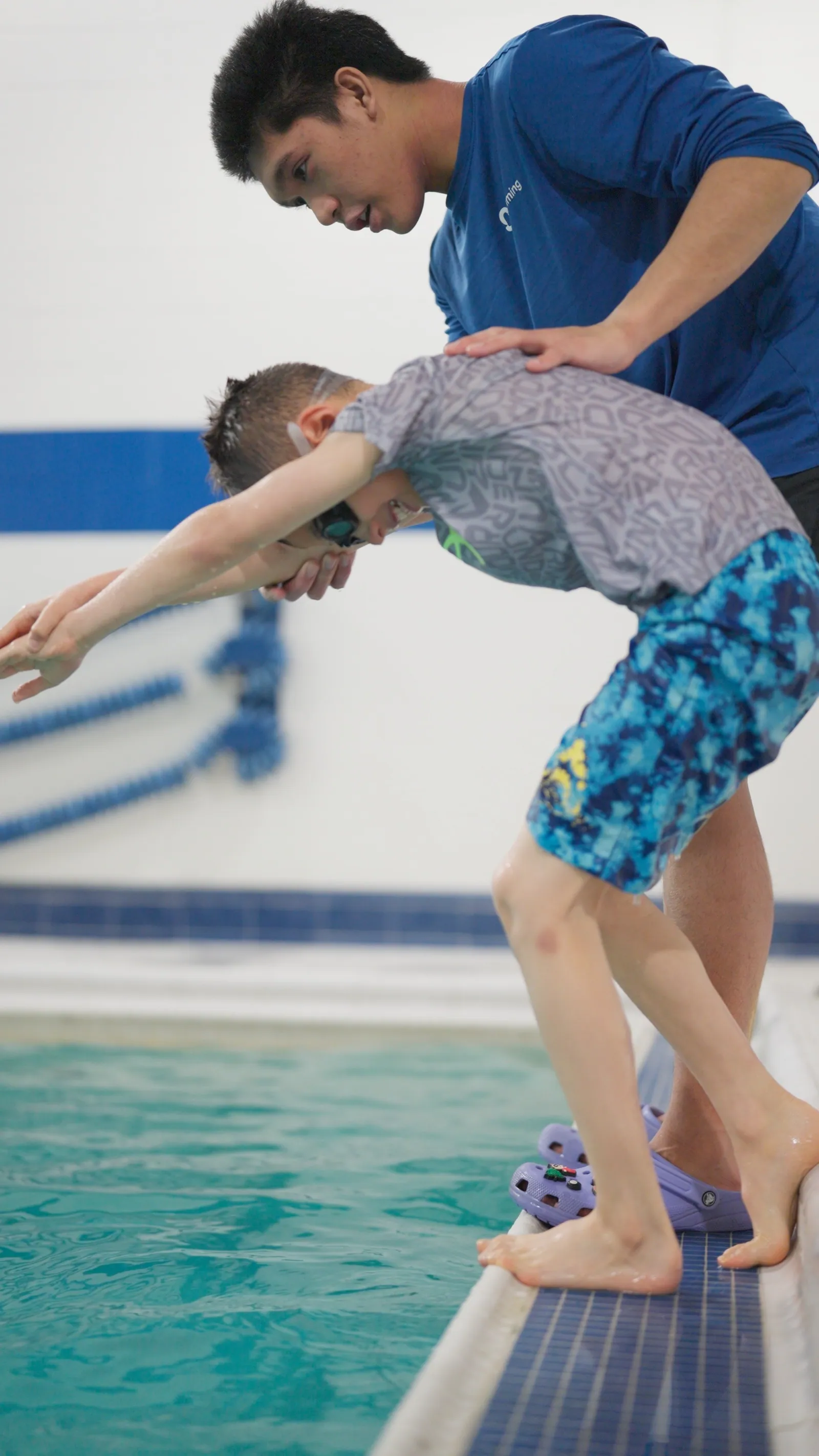
- No diving unless a swim teacher says it's safe: Many areas of the pool are too shallow for diving. Your child needs to learn that diving is only allowed in designated zones with permission.
- Keep personal items organized: Show your child where to put their towel, water bottle, and goggles so they don't create tripping hazards on the deck.
- Eat lightly before swimming: A small snack about an hour before is ideal. Full stomachs and active swimming don't mix well, especially when kids are working hard to build skills.
These small habits create the foundation for a wonderful experience every single week.
In the Water: Pool Behavior That Helps Kids Learn
Once your child is in the water, certain behaviors help them get the most out of their swim lessons. Whether they're in a group class, semi-private session, or private lessons, these guidelines apply across all skill levels.
Listening and Following Directions
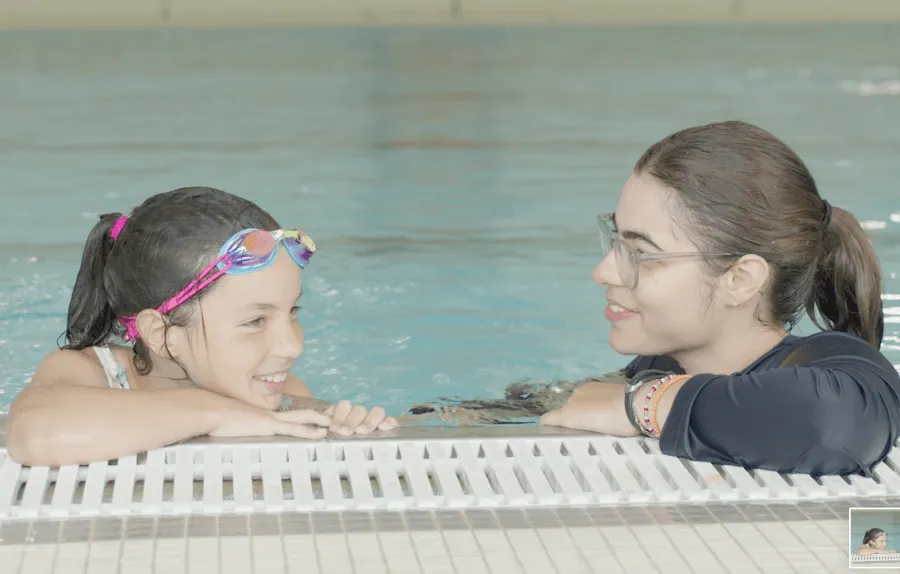
The single most important skill any new swimmer can develop is listening to their swim teacher. Swim Teachers give safety-critical directions during swim classes, and kids who listen carefully progress faster and stay safer.
Talk to your child about why listening matters. The pool isn't the place to test boundaries or zone out. Highly trained swim teachers structure each lesson carefully, and every direction has a purpose.
Respecting Other Swimmers
Splashing classmates while waiting in line is one of the most common issues we see. Teach your child that the pool isn't a free-for-all, even during fun moments.
Pushing, dunking, or grabbing other kids is never okay. What feels like harmless play to one child can feel terrifying to another, especially to kids still building water confidence. This rule is non-negotiable.
Staying in the Right Spot
Pools are divided into zones for different skill levels. Wandering into deeper water before your child is ready is genuinely dangerous.
Kids should stay where their swim teacher has placed them. If they need to leave the pool for any reason, whether for the washroom or a drink, they should let their swim teacher know first. This keeps the count of swimmers accurate and prevents anyone from being missed.
Trying Hard, Even When It's Tough
Stroke development takes practice, and progress comes from repetition. Encourage your child to attempt new skills rather than refusing or giving up.
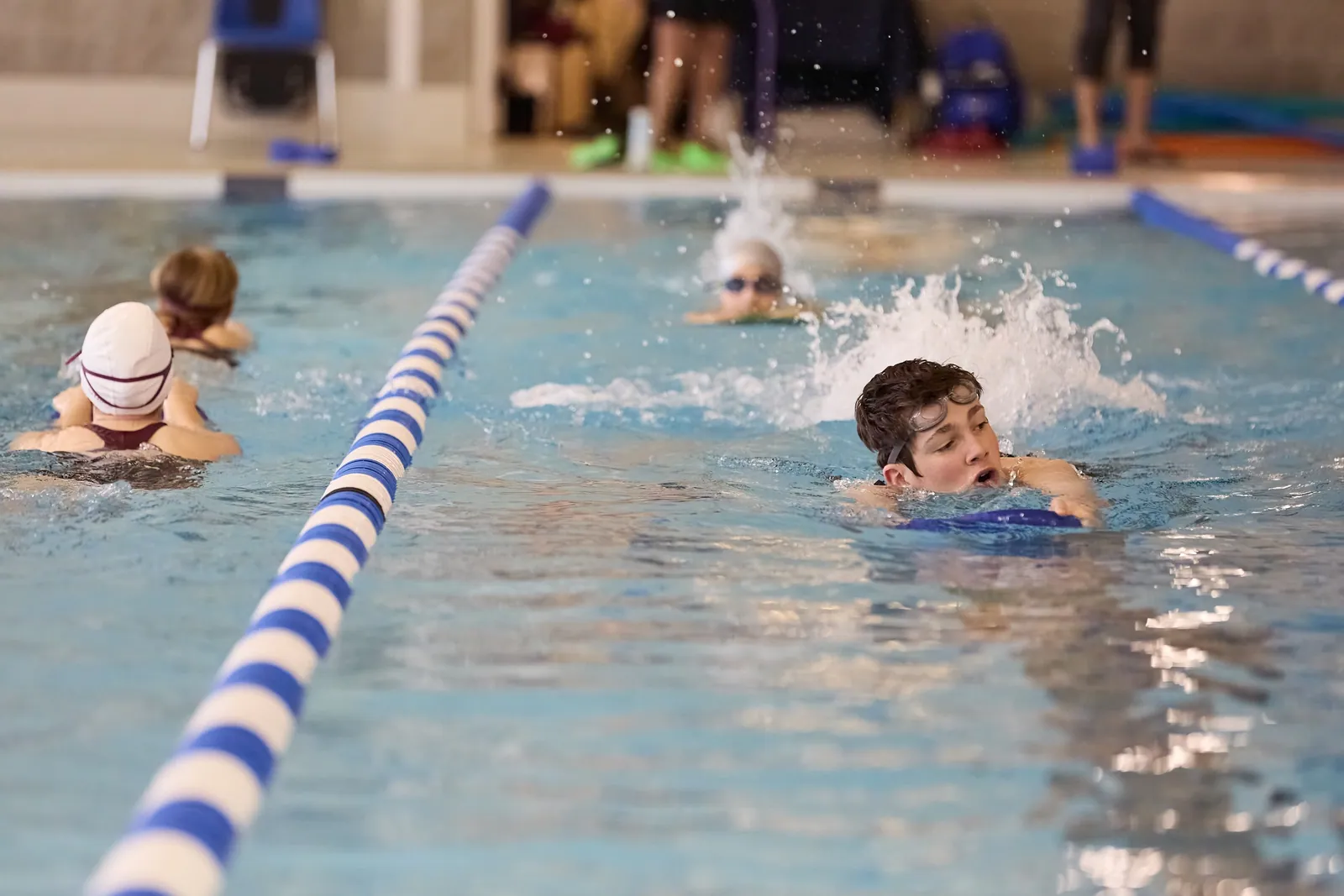
Treating equipment with care matters too. Kickboards, pool noodles, and other gear belong to the swim program, and rough handling damages items that other kids will use next.
Cheering for Classmates
Celebrating someone else's success creates a supportive environment for everyone. Kids who encourage each other build friendships and learn faster.
A simple "good job!" or a thumbs-up after a classmate masters a new skill goes a long way. These small gestures build the kind of community where every swimmer feels valued.
Keeping the Volume Down
Loud voices echo across the pool and make it hard for swim teachers to give directions. Teach your child that excitement is fine, but unnecessary screaming or yelling affects everyone.
This is especially important for younger swimmers in our gentle introduction programs, where loud noises can startle nervous beginners.
Being Kind to Beginners
Some kids are nervous about water, and crowding them or getting too close can make their fear worse. Teach your child to give classmates room.
Every swimmer in the pool is at a different stage. Mocking or commenting on another child's skills is never acceptable, and it can crush the confidence of a young swimmer who's working hard.
These habits help kids become better classmates and, eventually, better teammates if they choose to pursue lifesaving sports or competitive swimming later on.
Looking Ahead: From Pool Etiquette to Lifesaving Skills
The respectful behaviours you teach your child during their early swim program will serve them for years to come.
Today's Habits, Tomorrow's Swim Teachers
The kids who learn good pool etiquette in our small groups today are often the same young people who later enroll in our Swim Teacher Courses.
These advanced courses combine lifesaving skills, basic first aid skills, and elements of lifesaving sport. They require the same self-discipline that starts with simply listening on the pool deck as a five-year-old.
Progress Looks Different for Every Child
Building strong swimmers takes time, and progress happens at every skill level. Some kids breeze through, others need extra patience, and both paths are completely normal.
What makes the difference, more often than not, is the foundation of behavior kids bring with them to each lesson. When parents take a few minutes to coach their kids on pool etiquette before the first swim, everything else flows more smoothly.
How to Talk to Your Child About Pool Rules
A gentle introduction to these rules works better than a long lecture. Talk to your child in the car on the way to the pool. Remind them of one or two key behaviors before each session.
Praise them when you see them following the rules. Kids absorb these lessons quickly when they're presented with care.
Ready to Get Started?
If you're looking for high-quality swimming lessons in Toronto that take both skill development and water safety seriously, we'd be delighted to welcome your family to Seal Swimming.
From our youngest swimmers learning to splash and float, to teens preparing for lifeguard certification, every student benefits from our commitment to a fun, safe, and rewarding place to learn to swim.
Explore our swim classes, locations, and registration options. Your child's swimming journey is waiting.