Your baby's first experience in the water is one of those moments you'll never forget. Done well, it sets the stage for a lifetime of water confidence, safety awareness, and genuine love of swimming. Done poorly — rushed, too cold, or too overwhelming — it can create anxiety that takes years to undo.
At Seal Swimming, we've guided thousands of Toronto families through those first splashes, and we've learned what makes the difference between a baby who loves the water and one who dreads it. Here are our top tips for introducing your baby to the water safely and joyfully.
1. Start When Baby Is Ready
The question we hear most often is: "How early can we start?" The answer is: earlier than most parents think — but with the right expectations.
The Canadian Paediatric Society recommends that formal swimming lessons can begin around 12 months, though parent-and-baby aquatic programs that focus on water comfort and bonding (rather than stroke instruction) are beneficial from as early as 6 months, once a baby can hold their head up independently.
Before formal classes begin, simple water exposure during bath time — pouring warm water over their head, letting them splash and kick — helps babies build familiarity with the sensation of water. The more comfortable they are at home, the smoother the transition to the pool.
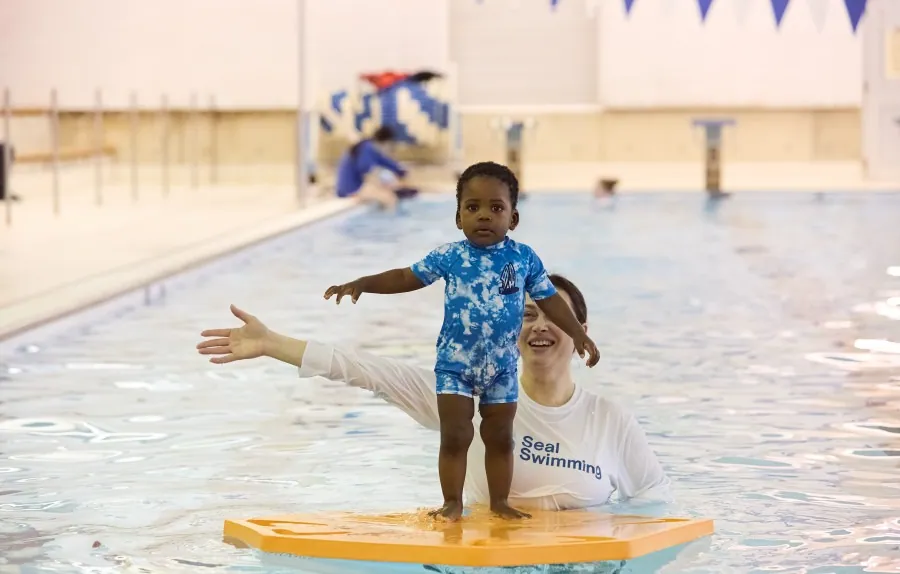
Our Baby Seal program welcomes infants from 6 months with a parent or caregiver in the water, focusing on water comfort, breath control introduction, floating, and the all-important parent-child bond.
2. Keep Sessions Short and Warm
Babies have a much smaller body mass than adults, which means they lose body heat significantly faster in the water. Even in a heated pool, a baby can become cold and uncomfortable within 20–30 minutes — and a cold, unhappy baby won't associate the water with positive feelings.
For early sessions, aim for 10–20 minutes and watch closely for signs that your baby has had enough:
- Shivering or blue-tinged lips
- Increased fussiness or crying
- Clinging tightly and pulling away from the water
- Glazed or tired eyes
When you see these signs, it's time to wrap up — even if the class isn't over. Ending on a calm, positive note is always more valuable than pushing through discomfort.
3. Choose the Right Environment
Not all pools are created equal for babies. The ideal environment for infant swimming is warm (around 32C / 90F), shallow, clean, and relatively quiet. Loud, echoing spaces can be overwhelming for young infants who are still processing sensory information.
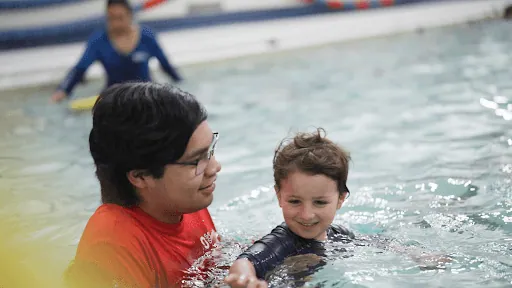
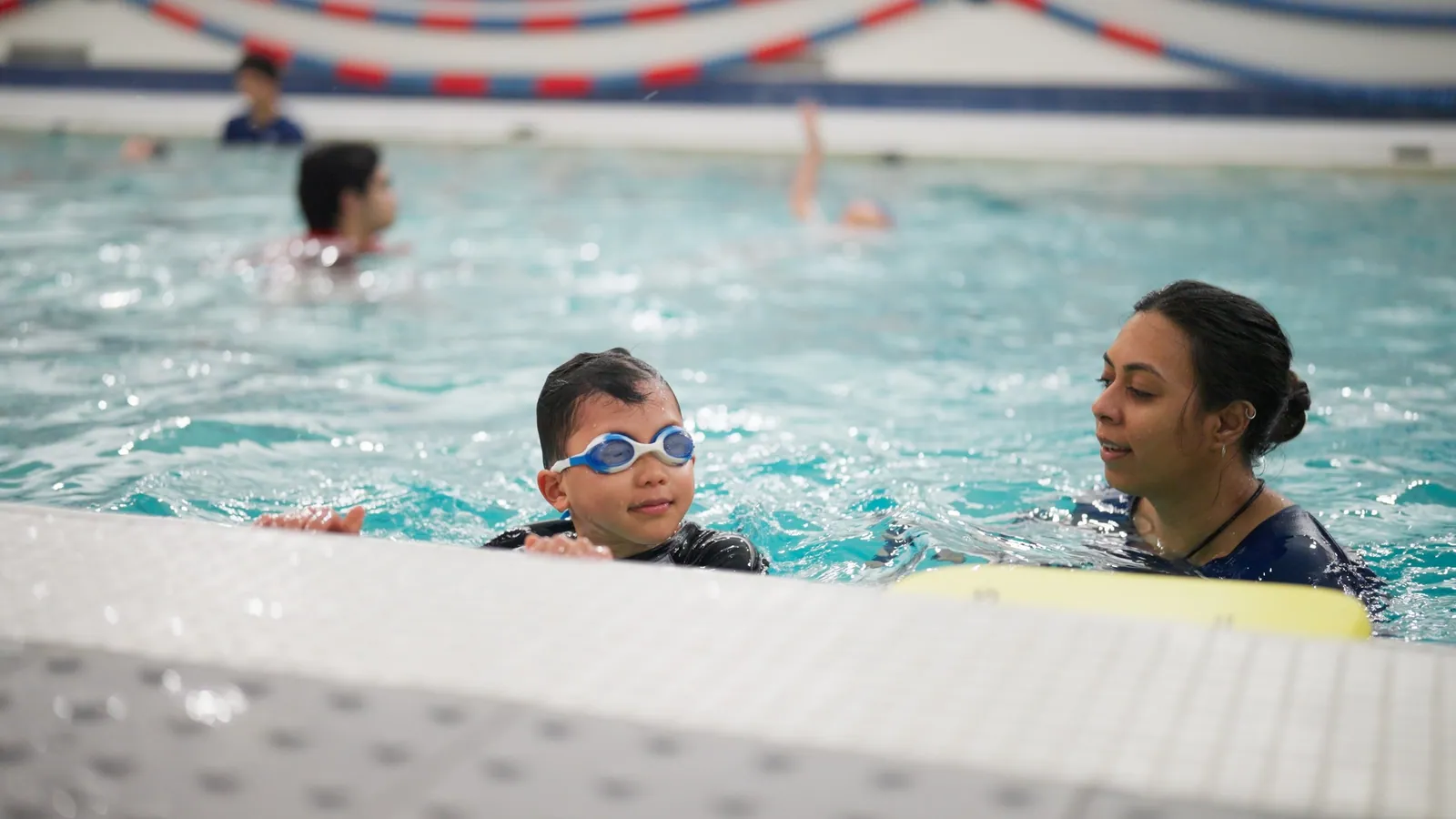
At Seal Swimming, our facilities across Toronto and North York are specifically selected and maintained to create a calm, safe, and welcoming environment for babies and caregivers. Our swim teachers are trained in infant aquatics and understand how to read a baby's cues and adjust the pace of each session accordingly.
4. Always Keep Baby Within Arm's Reach
This cannot be overstated: in any body of water, your baby must always be held or within arm's reach of a responsible adult. Drowning can happen silently and in seconds, even in very shallow water.
The Canadian Red Cross emphasizes that active supervision — meaning eyes on and within arm's reach at all times — is the single most effective drowning prevention strategy for young children.
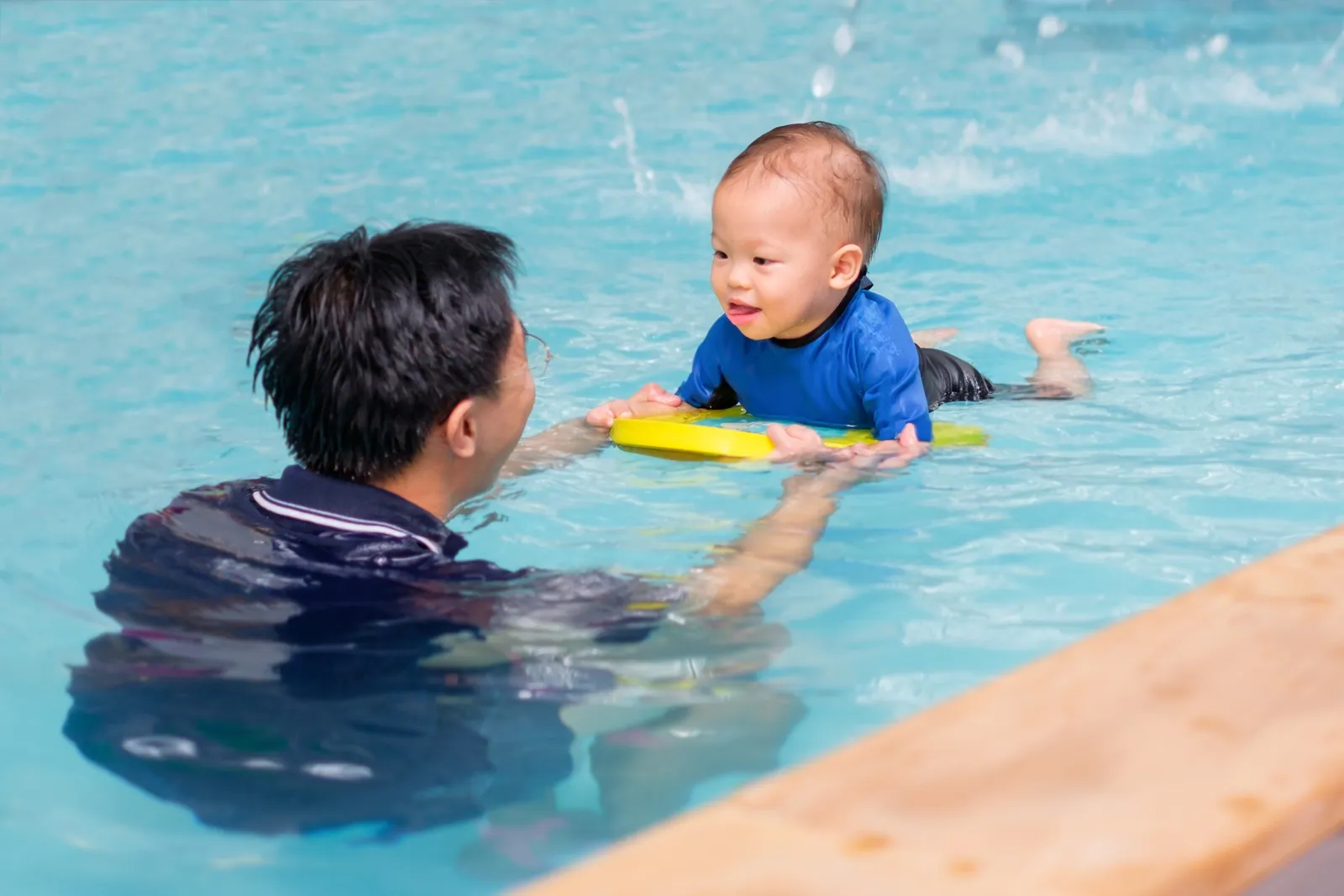
In our parent-and-tot classes, caregivers are always in the water with their baby. This isn't just for safety — it's where the magic happens. The skin-to-skin contact, the shared eye contact, the trust built through supported movement in water — these are the foundations of both water confidence and secure attachment.
5. Pack the Right Gear
Before your first class, make sure you have everything your baby needs to be comfortable and safe:
- Reusable swim diaper — Required for all swimmers not yet fully toilet trained. A snug-fitting reusable cover over a disposable swim diaper is the standard.
- Baby wetsuit or thermal rash guard — Helps retain body heat during longer sessions.
- Hooded towel or robe — For warming up quickly after the session.
- Change of clothes and a spare diaper — For after class.
- A familiar comfort toy — For reassurance before and after the session.
For a complete gear checklist, visit our Required Swimwear guide in the Knowledge Base. And if you're not sure what to expect on your first day, our First Day guide walks you through the full experience from arrival to wrap-up.
6. Make It Playful and Positive
Babies are extraordinarily attuned to their caregiver's emotional state. If you're tense, nervous, or hesitant, your baby will feel it — and mirror it. If you're relaxed, smiling, and having fun, they will too.
Some of the most effective techniques for building positive water associations in infants include:
- Singing familiar nursery rhymes or songs during water activities
- Using gentle, predictable movements (no sudden splashes or dunks)
- Offering lots of eye contact and verbal reassurance
- Celebrating every small moment — a kick, a splash, a smile
Our swim teachers incorporate music, games, and structured play into every Baby Seal session to make the water feel like the most fun place in the world. Read our post on The Best Ways to Celebrate Swimming Milestones for more ideas on reinforcing positive progress at home.
7. Never Force Submersion
One of the most important principles in infant aquatics is consent and pacing. Never force your baby underwater, push them into movements that cause distress, or override their signals of discomfort in the name of "getting it over with."
Submersion — when it's introduced — should be gradual, predictable, and cued clearly so your baby knows what's coming. Our swim teachers use a consistent verbal and physical cue sequence before any underwater experience, ensuring babies are never surprised.
Research in early childhood development consistently shows that water confidence built through positive, child-led experiences is far more durable than confidence achieved through exposure to stressful situations. Patience now means fewer fears later.
8. Be Consistent
Like any developmental skill, water comfort grows with regular, positive exposure. One class every few weeks won't build the same foundation as consistent weekly attendance. The more familiar the pool environment becomes — the smell, the sounds, the routine — the more relaxed and confident your baby will feel over time.
Not sure how often to attend? Our guide on lesson frequency explains what research and our swim teachers recommend for different ages and stages.
Start the Journey at Seal Swimming
Introducing your baby to the water is one of the greatest gifts you can give them — and it's a journey best taken with experienced, caring guides by your side. Our Baby Seal and Seal Pups programs are designed to meet babies and toddlers exactly where they are, with trained swim teachers who understand infant development, water safety, and how to make every session feel like an adventure.
Have questions before you register? Browse our Safety Protocols guide, take our free Swim Assessment, or reach out to our team — we'd love to help you get started.
Want to learn more before diving in? Read our post on the benefits of infant and toddler swimming and our guide to infant and toddler swimming lessons — when to start and what to expect. When you're ready, our step-by-step registration guide walks you through the whole process.
Register for Baby Seal today and take that first, unforgettable splash together.