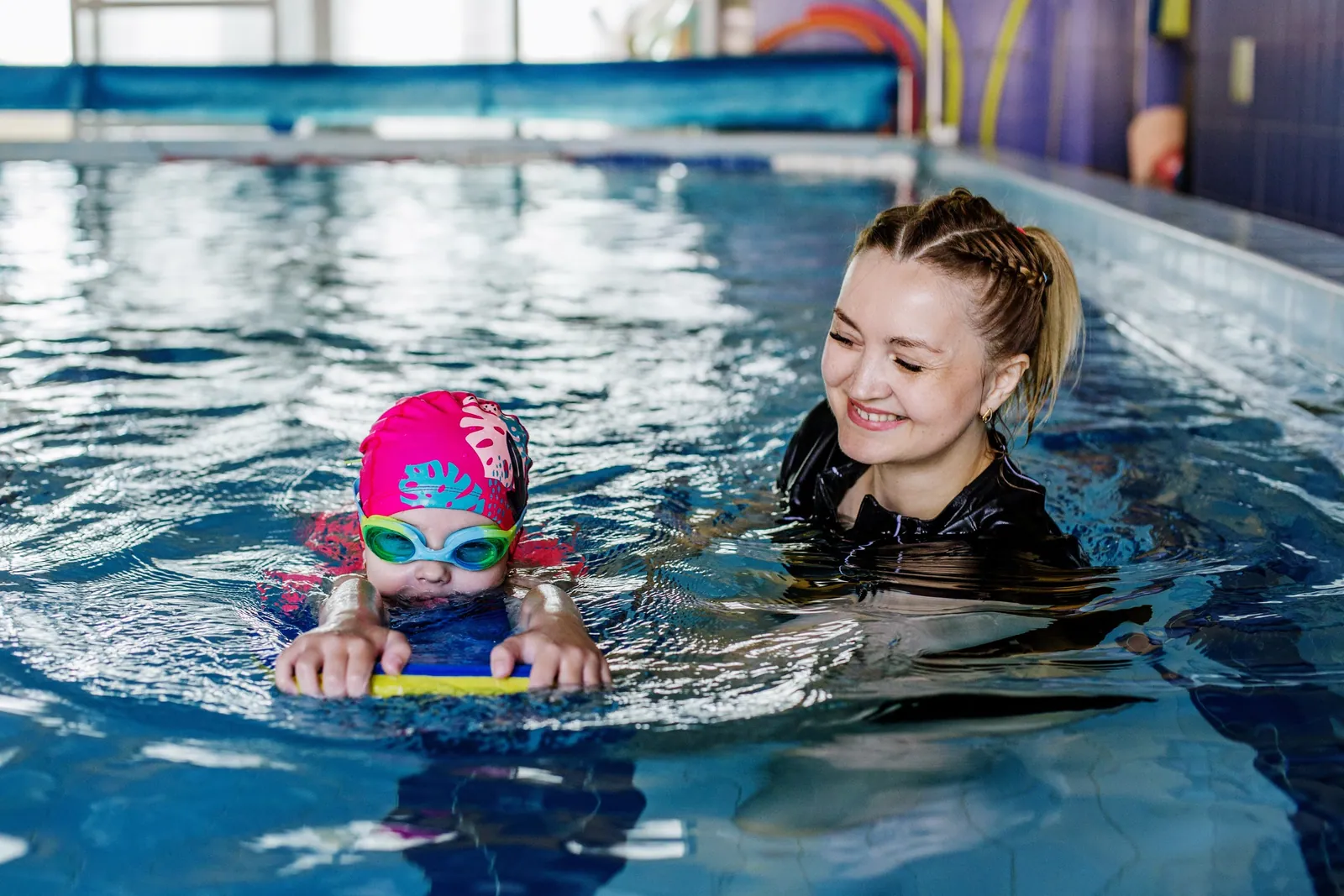
Strong swimmers often assume that teaching swimming will come naturally. Time in the water builds endurance, control, and comfort in the pool. Teaching, however, requires a very different set of skills. A confident swimmer understands how their own body moves through water. A swim teacher must understand how to guide others through that same process, step by step.
A structured swim teacher course provides that bridge. Through a formal swim teacher course, experienced swimmers learn how to teach safely, manage a class, and develop water safety skills in students of all ages.
Across Toronto, swim schools and aquatic facilities continue expanding their programs as families place greater emphasis on water safety and swimming ability. That demand has created growing opportunities for trained swim teachers who can deliver high-quality swimming lessons.
This article explores what the transition from swimmer to swim teacher looks like, what you learn during swim teacher courses, who typically pursues this path, and why aquatics offers strong career opportunities for aspiring swim teachers in Toronto.
The Difference Between Doing and Teaching: Why Being a Strong Swimmer Is Not Enough
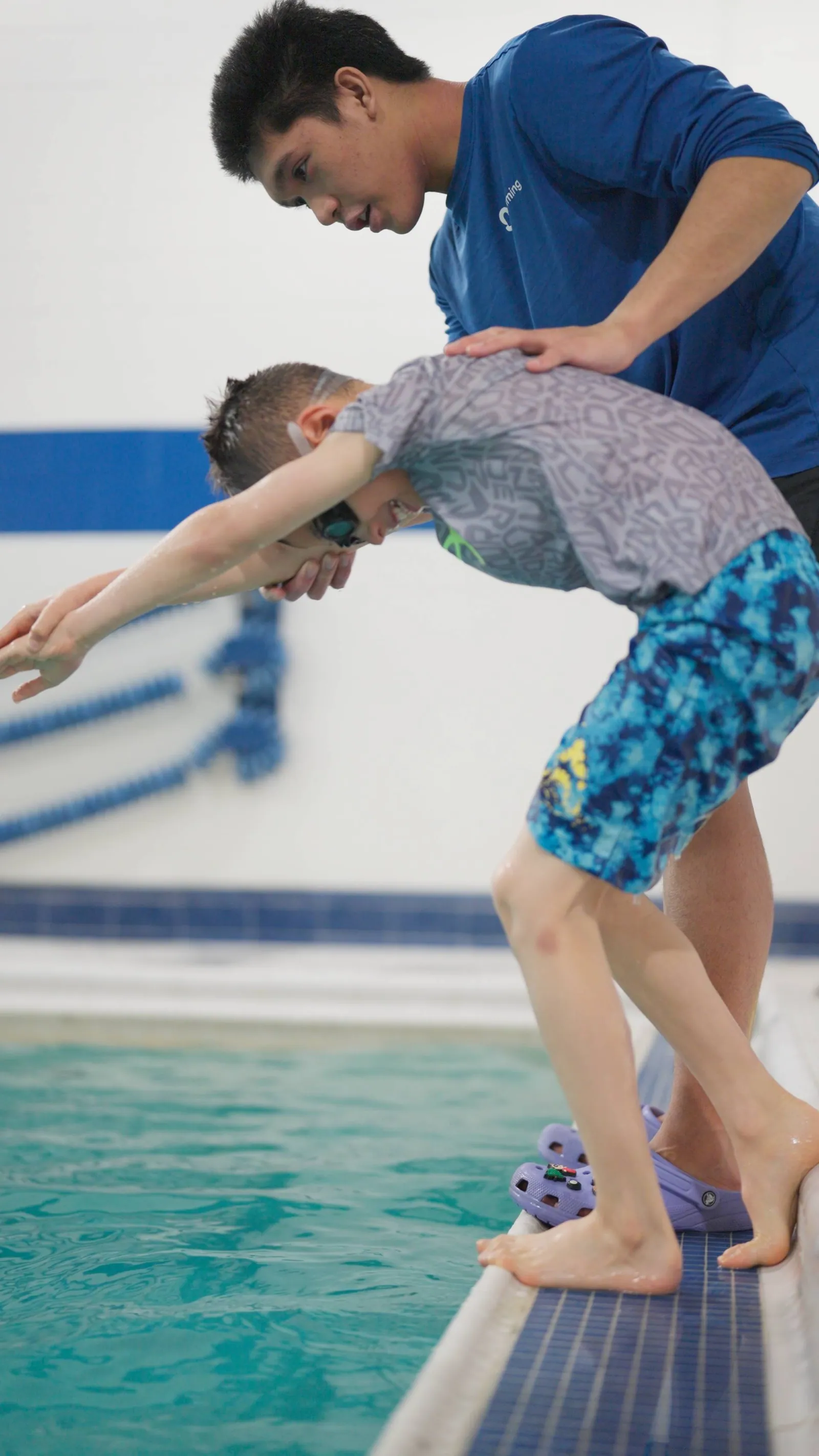
A swimmer can perform strong swimming strokes through practice and repetition. Teaching those strokes requires an entirely different approach. A swim teacher breaks complex movements into small steps that beginners can understand. That includes explaining body position, timing, breathing, and propulsion.
During a structured swim teacher course, swim teacher candidates practice how to teach and evaluate swimmers at different skill levels. They learn to identify common errors and apply correction techniques that help students improve safely.
Over time, experienced swim teachers develop the ability to:
- Demonstrate stroke mechanics clearly in the pool
- Use stroke development drills that reinforce proper technique
- Observe swimmers closely and identify technical errors
- Teach and evaluate progression across multiple skill levels
Swim Teacher candidates complete practical teaching assignments under supervision from certified trainers who work within the standards of the Lifesaving Society.
Inside the Swim Teacher Courses: What to Expect
A professional swim teacher certification focuses on teaching structure and safety. Participants develop knowledge of swimmer progression, class management, and water safety education.
Key elements of most swim teacher certification programs include:
- Building structured lesson plans for swimmers at different ages and skill levels
- Breaking down swimming strokes through observation, analysis, and effective correction techniques
- Understanding child development and how different learning styles affect skill progression
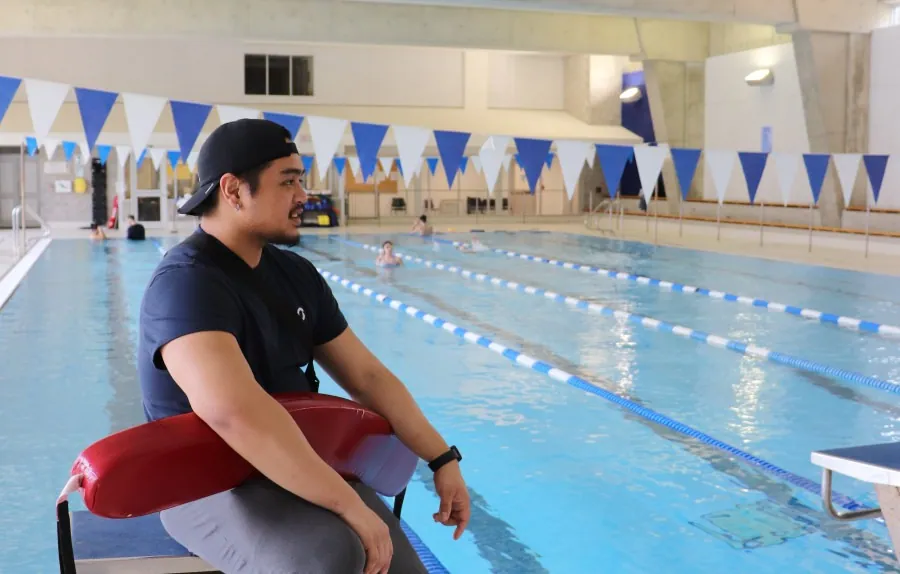
- Leading organized classes while maintaining strong safety protocols in the pool
- Communicating instructions clearly so swimmers can understand and apply new skills
- Recognizing risks in aquatic environments and responding using proper emergency procedures and first aid training
Training often builds on earlier aquatic certifications such as Bronze Medallion and Bronze Cross Certification. These lifesaving courses teach core rescue techniques and physical fitness standards.
The goal of the swim teacher courses involves more than passing a final evaluation. The program prepares candidates to confidently teach swimmers, monitor safety, and guide students through a complete program.
The Role of the Lifesaving Society in Setting the Standard
In Canada, the Lifesaving Society serves as the leading authority for aquatic education. Their programs establish national standards for lifeguards, swim teachers, and aquatic trainers.
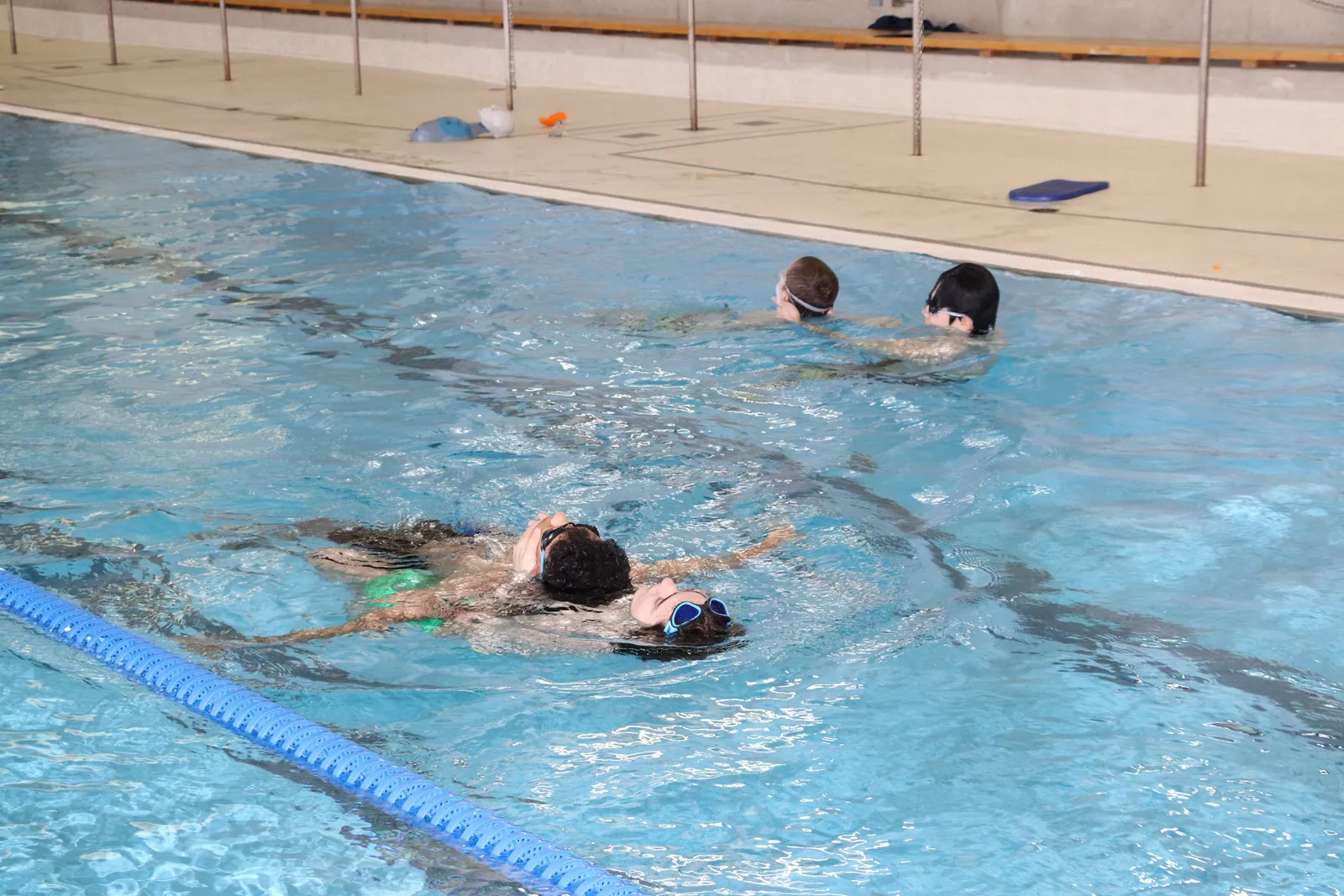
Many swim schools follow the framework created by the Lifesaving Society. Courses cover teaching techniques, rescue skills, and swimmer progression models. Certified trainers guide participants through practical teaching sessions where swim teacher candidates learn how to manage groups of students safely.
The society also oversees several advanced certifications including:
These programs maintain high teaching standards across aquatic facilities and swim schools.
First Aid: The Foundation of Swim Teacher Training
Every swim teacher course begins with a strong focus on first aid. Before swim teachers learn how to teach swimming strokes or lead swimming lessons, they must understand how to keep students safe in and around the pool.
Most swim teacher candidates complete first aid and CPR training as part of their certification pathway. These teach participants how to recognize emergencies and respond quickly using established emergency procedures. The Canadian Red Cross estimates that bystander CPR can double or triple a cardiac arrest victim's chance of survival — a skill every certified swim teacher carries for life.
With this foundation in first aid, swim teachers can focus on teaching water skills with confidence while maintaining a safe environment for every swimmer.
Who Becomes a Certified Swim Teacher? More People Than You Would Think
Many different individuals pursue a swim teacher course. The program attracts students, lifeguards, athletes, and adults building careers in recreation or fitness. The three most common profiles are:
High school students and young adults who want a meaningful first job, competitive hourly pay, and a credential that opens doors. Many begin as an assistant swim teacher before progressing to full classes, and some go on to complete the examiner course to certify other swim teacher candidates.
Adults pivoting into aquatics or fitness careers: triathletes, fitness professionals, and parents returning to the workforce who want flexible, purpose-driven work. An experienced swim teacher with Bronze Cross certification and current first aid and CPR credentials is a highly competitive candidate in the Toronto job market.
Lifeguards and recreation staff who already hold a National Lifeguard certification and want to add teaching credentials to their professional portfolio.
The Benefits of a Career in the Aquatics Industry
Flexible Hours, Real Impact
Work in aquatic programs fits well around school schedules and other careers. Many swim teachers teach evening or weekend swimming lessons.
Teaching provides meaningful impact. Swim Teachers help swimmers build confidence in the pool while developing essential water safety skills. Progress becomes visible each week as students improve their technique and stamina. Teaching a beginner to float or guiding a swimmer through their first full length of the pool provides strong professional satisfaction.
A Growing Industry With Staying Power
Private swim schools across Canada continue expanding their swimming program offerings. Families prioritize water safety and swimming ability for their children — a trend supported by the Lifesaving Society of Ontario's Drowning Report, which consistently finds that the vast majority of drowning incidents are preventable through education and trained supervision.
This demand creates steady job opportunities for certified swim teachers in Toronto. Aquatic facilities and swim schools frequently hire swim teachers with recognized certifications from the Lifesaving Society.
Career progression within aquatics remains strong as well. Experienced swim teachers often move into leadership roles such as:
- Senior swim teacher positions
- Program coordinators
- Aquatics directors
- Swim Teacher trainers
Professionals with advanced certifications including first aid swim teacher and national lifeguard swim teacher training often supervise large programs and teach future swim teachers. If you're interested in joining a team, explore career opportunities at Seal Swimming.
Start Your Journey as One of Toronto's Certified Swim Teachers at Seal Swimming
Seal Swimming offers a structured swim teacher course designed for swimmers who want to develop the knowledge and practical skills required to teach swimming lessons. The Seal Swim Teacher Program prepares swim teacher candidates to lead safe, organized, and engaging lessons in a professional aquatic environment.
The program focuses on building strong teaching fundamentals. Through hands-on instruction in the pool, candidates learn how to teach and evaluate swimmers across different skill levels — from beginners learning basic water comfort to advanced swimmers refining their swimming strokes. Our four Toronto-area locations offer convenient scheduling across North York, Scarborough, West Scarborough, and Guildwood.
What Happens After You Certify
Completing the Seal Swimming swim teacher course opens the door to teaching opportunities within swim schools across Toronto. Many successful candidates begin working as assistant swim teacher team members before progressing to lead swim teacher roles.
Seal Swimming continues to expand its learn to swim program, creating consistent demand for certified swim teachers who can teach swimmers safely and effectively. Swim Teachers gain valuable experience working with children and adults while developing leadership skills in the pool. Learn more about joining our team as a swim teacher.
Not sure if teaching is the right fit? Take our free swim assessment to better understand where you stand as a swimmer — a great starting point before committing to an swim teacher pathway.
Ready to turn your swimming experience into teaching skills? Explore our upcoming swim teacher courses in Toronto.