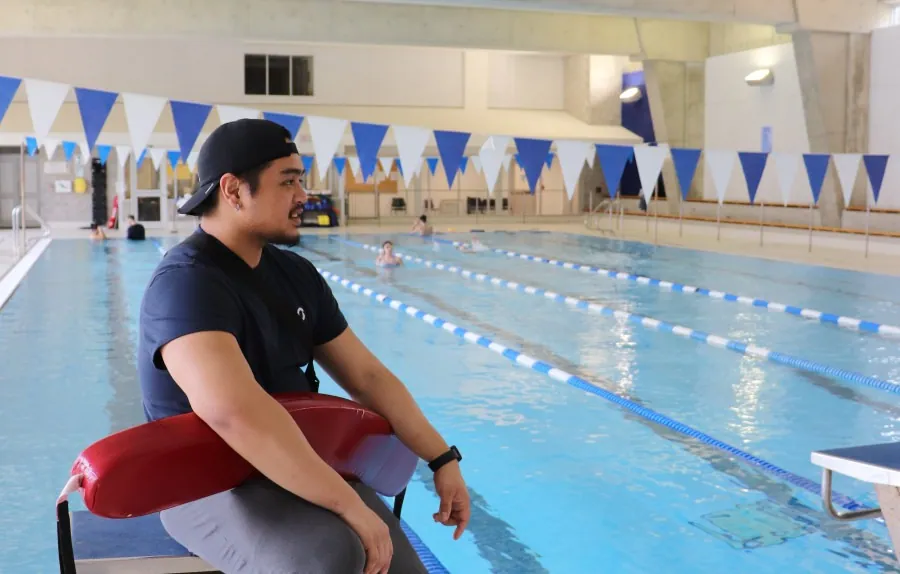
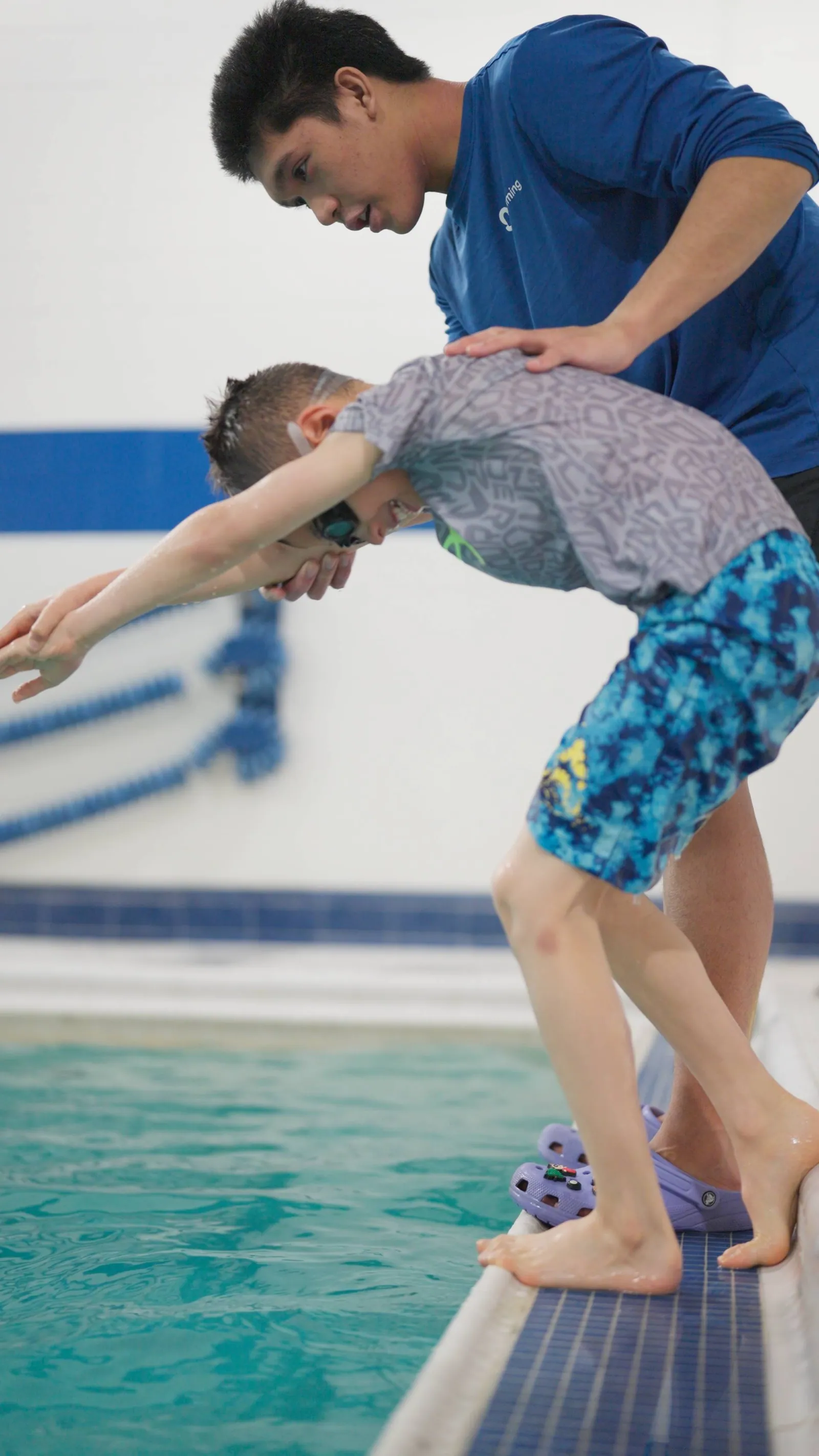
Becoming a lifeguard is one of the most meaningful things a young person can do with their time. It's more than a summer job — it's a formative experience that develops real leadership skills, builds lasting confidence, and puts you in a position to protect lives. At Seal Swimming, our Lifeguarding and Leadership programs are designed to prepare participants not just for the pool deck, but for every challenge that comes after it.
Whether you're a teenager exploring your first steps into the workforce, a parent looking for a program that builds genuine life skills, or someone who wants to turn a love of swimming into a meaningful career, lifeguard training is one of the most impactful paths available. Here's why.
1. Master Essential Water Safety Skills
The foundation of any lifeguard training program is a deep, practical understanding of water safety. This goes far beyond knowing how to swim well — it means understanding how and why aquatic emergencies happen, and being equipped to prevent and respond to them.
Through the Lifesaving Society's Bronze Medallion and Bronze Cross certifications — the core of our lifeguarding pathway — participants learn:
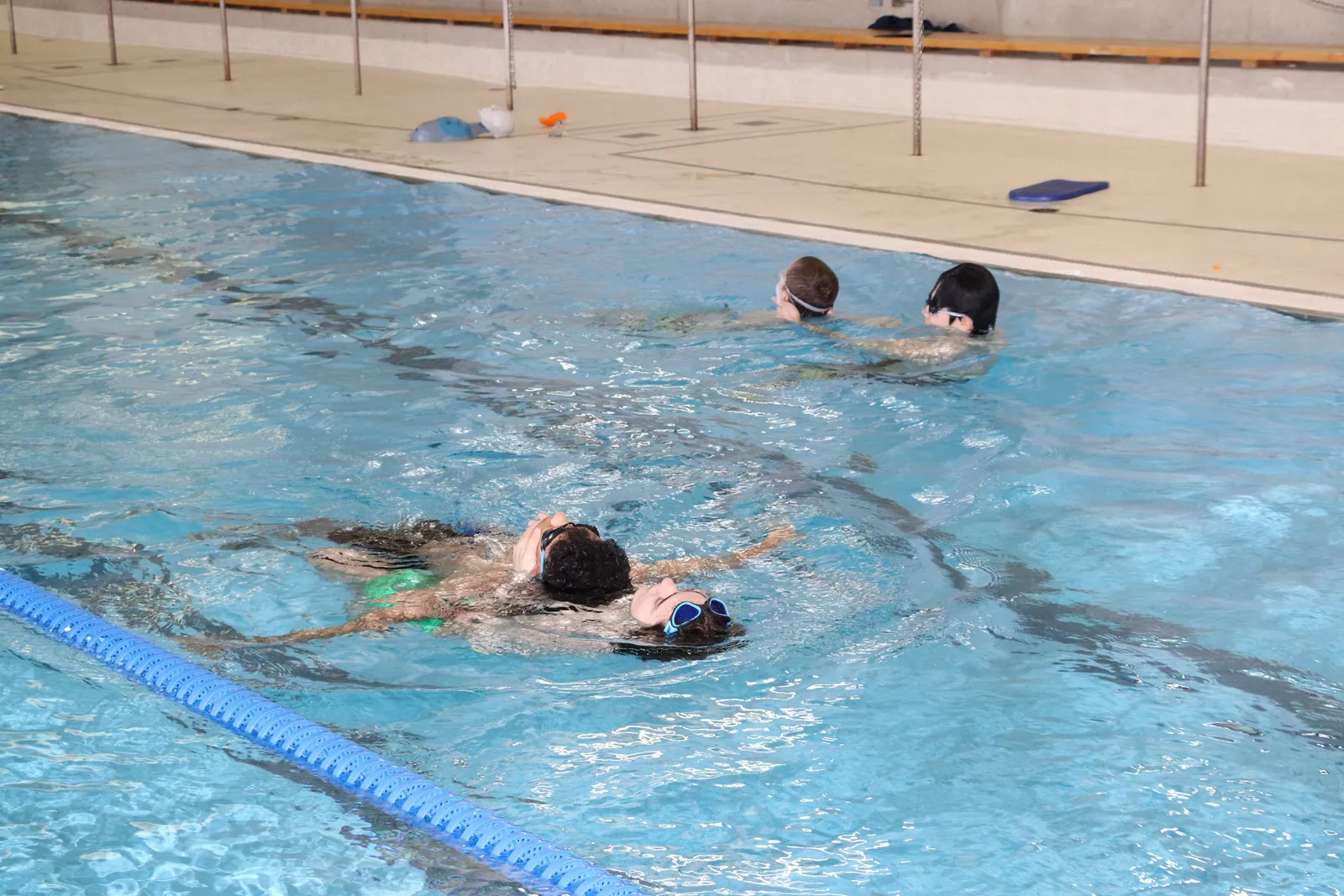
- Water rescue techniques including reaching assists, throwing assists, and swimming rescues
- Spinal injury management and safe victim removal from the water
- CPR-B and AED operation for adults and children
- Accident prevention and risk assessment in aquatic environments
- The Lifesaving Society's 4-Point Rescue System: _Recognize, Respond, Rescue, Recover_
These aren't theoretical skills — they're practised repeatedly in realistic scenarios until they become instinctive. The Lifesaving Society of Ontario's Drowning Report consistently finds that the vast majority of drowning incidents are preventable. Lifeguard training teaches participants to be the person who prevents them.
For a deeper look at the science behind water safety, read our article on the science of water safety for toddlers and young kids — many of the principles that protect young swimmers are the same ones lifeguards apply every day.
2. Build Confidence That Transfers Everywhere
One of the most consistent things participants report after completing lifeguard training is a profound shift in how they see themselves. There is something uniquely confidence-building about knowing — not just believing, but _knowing_ — that you have the skills to keep someone alive in an emergency.
Training scenarios simulate real-life emergencies under controlled conditions. Participants practise making fast decisions, managing their own fear response, and taking action when others might freeze. Over time, this kind of training doesn't just build competence — it builds character.
The confidence developed in lifeguard training is transferable. It shows up in job interviews, in classroom presentations, in team sports, and in any situation that demands composure under pressure. Research on youth leadership development consistently identifies _challenge experiences_ — situations that push young people beyond their comfort zone in a supported environment — as among the most powerful drivers of lasting confidence and resilience.
3. Develop Real Leadership Skills
A lifeguard is, at their core, a leader. You are the person in the room who is responsible for everyone's safety. That responsibility shapes how you carry yourself, how you communicate, and how you make decisions.
Lifeguard training explicitly develops the leadership competencies that employers and universities look for:
- Accountability — you are responsible for the safety of every person in your zone, every moment of every shift
- Communication — clear, calm, authoritative communication in high-stakes situations
- Teamwork — coordinating with other lifeguards and facility staff in an emergency response
- Situational awareness — continuously scanning, assessing, and anticipating before problems develop
- Decision-making under pressure — acting decisively when every second matters
These aren't soft skills listed on a resume — they're capabilities forged in real training. Participants who complete our lifeguarding programs leave with a level of professional maturity that stands out.
4. Build Physical Fitness and Stamina
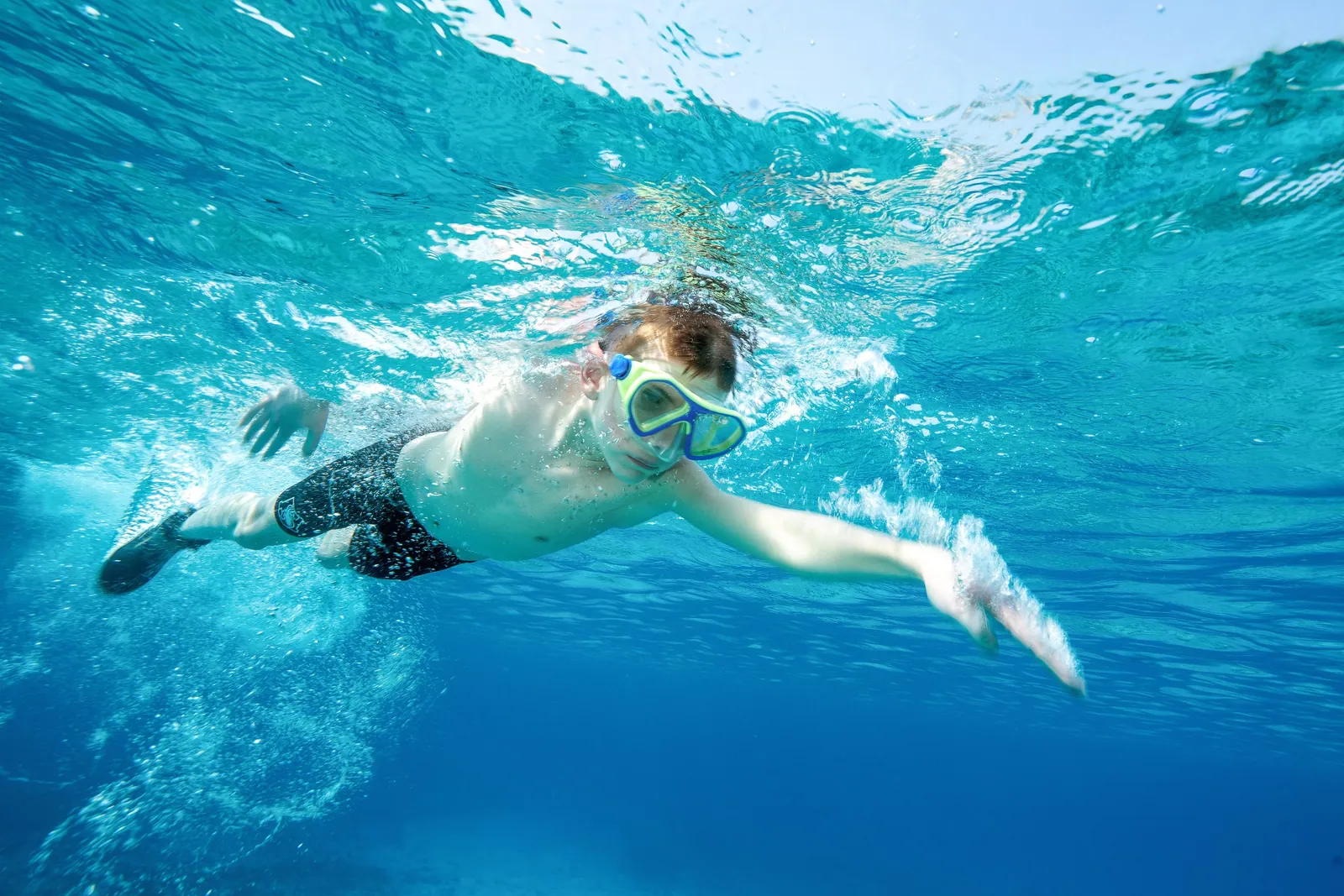
Lifeguarding is a physically demanding role. Rescue techniques require strength, coordination, and the ability to perform under physical stress. Survival swimming, timed distance swims, and repeated rescue drills develop a level of aquatic fitness that goes well beyond recreational swimming.
For teenagers and young adults, lifeguard training is one of the most effective ways to build functional fitness — the kind that translates to real-world capability rather than just gym performance. Participants often find that the physical conditioning required for certification motivates them to take their training seriously in a way that conventional fitness programs don't.
Our Swim Squads program is an excellent way to build the endurance and stroke efficiency needed to enter lifeguard training with confidence. Many of our lifeguard trainees come directly from Swim Squads, and the transition is seamless.
5. Earn a Certification That Opens Doors
Lifeguard certification is one of the most practically valuable credentials a young person can hold. The National Lifeguard (NL) certification — the professional standard recognized by aquatic facilities across Canada — is the destination of our full lifeguarding pathway:
- Bronze Medallion — Ages 13+. Rescue techniques, CPR-B, survival swimming, and lifesaving principles.
- Bronze Cross — Ages 15+. Advanced rescue, spinal injury management, first aid, and lifeguard readiness.
- National Lifeguard (NL) — The professional standard for employment at pools, waterfronts, and waterparks across Canada.
Beyond lifeguarding itself, these certifications are valued across a wide range of fields. Camp counsellors, recreation program leaders, personal trainers, and healthcare workers all benefit from the first aid, CPR, and emergency response skills embedded in lifeguard training. The Canadian Red Cross estimates that bystander CPR can double or triple a cardiac arrest victim's chance of survival — a skill every lifeguard carries for life.
For a detailed breakdown of the Bronze Medallion specifically — what to expect, how you're evaluated, and what to bring — read our guide: What to Expect in a Lifesaving Society Bronze Medallion Course.
6. Make a Meaningful Contribution to Your Community
Lifeguarding is one of the few part-time roles available to young people that carries genuine, life-or-death responsibility. That weight is part of what makes it so formative — and so fulfilling.
As a lifeguard, you are actively protecting your community every time you step onto the pool deck. You're preventing accidents before they happen, responding when they do, and creating an environment where families feel safe bringing their children into the water. For many lifeguards, the role becomes a source of deep personal pride — not because of the title, but because of the impact.
Many participants in our lifeguarding programs go on to become swim teachers, continuing to give back to the aquatic community in a different but equally meaningful way. Our Swim Teacher certification pathway is a natural next step for lifeguards who want to extend their impact beyond supervision into instruction.
7. A Pathway to a Career in Aquatics
For those who discover a passion for the aquatic environment through lifeguard training, the career opportunities are substantial. Certified lifeguards and swim teachers are consistently in high demand at recreation centres, community pools, summer camps, and private facilities across Canada.
At Seal Swimming, we actively hire talented, motivated lifeguards and swim teachers. If you're interested in joining our team after completing your certification, explore our current openings for Lifeguards and Aquatic Leadership Instructors. We love seeing participants grow from students in our programs to valued members of our team.
Why Choose Seal Swimming for Lifeguard Training?
At Seal Swimming, our lifeguarding programs are built around the same principles that guide everything we do: small class sizes, experienced swim teachers, and a genuine commitment to each participant's development.
- Small class sizes — more practice time per participant and direct, ongoing feedback from swim teachers
- Certified, experienced swim teachers with real-world lifeguarding and teaching backgrounds
- A complete pathway — from Bronze Medallion through to National Lifeguard certification, all under one roof
- Multiple locations across Toronto and North York for convenient scheduling
- A community — participants train alongside peers who share the same values, and many go on to work together
Whether your teenager is taking their first step into the lifesaving world or you're ready to pursue the National Lifeguard certification, we're here to support you every step of the way.
Ready to Dive In?
Lifeguard training is one of the most rewarding investments a young person can make in themselves. The skills, confidence, and sense of purpose it builds don't stay on the pool deck — they carry forward into every area of life.
View our upcoming Lifeguarding and Leadership course dates and register today to secure your spot. Not sure where to start? Reach out to our team — we'll help you find the right program and plan the right pathway.