
Safety
Infant and Toddler Swimming Lessons: When to Start and What to Expect
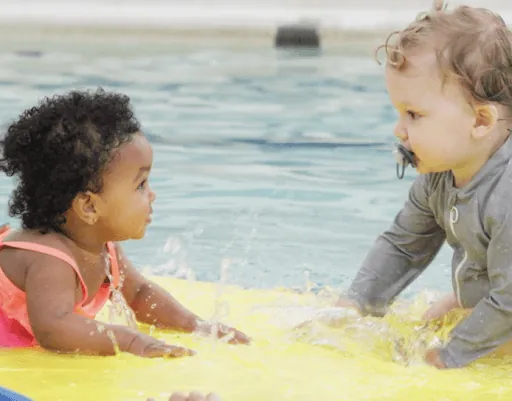
Learn when to start infant swimming lessons Toronto parents trust, what to expect in classes, and how early swim lessons support safety and confidence.
February 6, 2026

Safety · May 26, 2025 · 6 min read
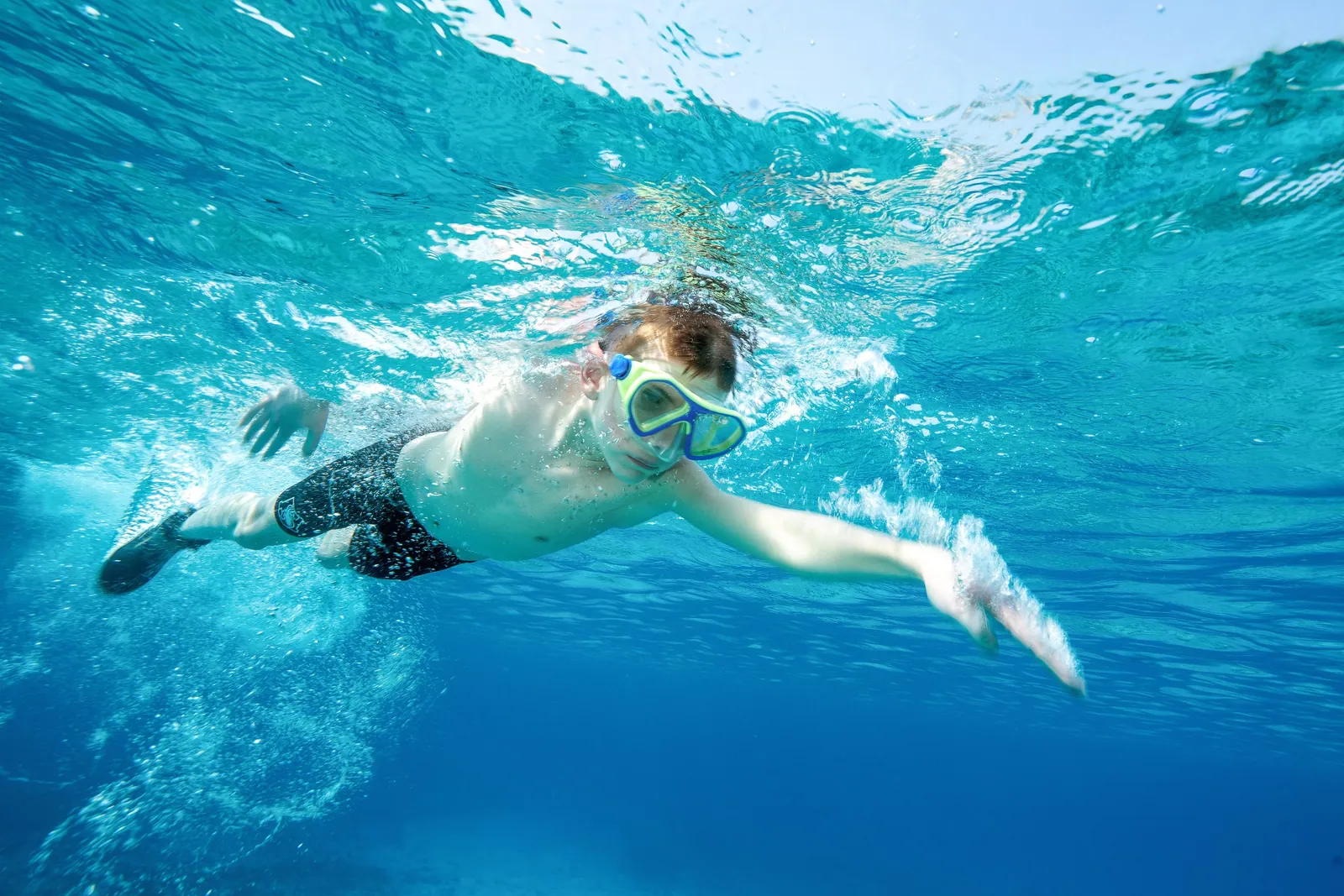
Open water swimming is an incredible experience — but it comes with unique risks. Here are essential safety tips every swimmer should know before heading into a lake, river, or ocean.
There's something genuinely magical about swimming in open water. The freedom of a lake, the rhythm of ocean waves, the cool embrace of a river on a summer afternoon — it's an experience that no pool can quite replicate. But open water is also fundamentally different from a controlled pool environment, and those differences demand respect.
At Seal Swimming, water safety isn't just a curriculum item — it's a core value. Whether you're a seasoned swimmer heading into open water for the first time this season, or a parent preparing your child for summer lake swims, these tips will help you enjoy the experience safely and confidently.
This is the most important rule in open water — full stop. Even the strongest, most experienced swimmers can encounter unexpected challenges: sudden cramps, shifting currents, cold shock, or simple fatigue. In a pool, help is seconds away. In open water, it may not be.
Always swim with at least one other person, and ideally in a location where a lifeguard or other responsible adult is watching from shore. Designate someone as a spotter before you enter the water — someone whose job is to keep eyes on you the entire time you're swimming.
The Canadian Red Cross identifies swimming alone as one of the leading contributing factors in recreational water fatalities — a risk that is entirely preventable.
Open water environments are dynamic and constantly changing. What looks calm from shore may be very different once you're in. Before entering, assess:
Open water swimming is significantly more demanding than pool swimming. There are no walls to push off, no lane lines for reference, no bottom to stand on, and often waves, currents, or chop to contend with. Swimmers who are strong in the pool are frequently surprised by how much harder open water feels.
Start close to shore and build gradually. Don't set a distance goal on your first open water swim — set a time goal instead, and make sure you can always turn back if you need to. Fatigue in open water can escalate quickly, and overestimating your ability is one of the most common causes of open water incidents.
Not sure if your swimming skills are ready for open water? Take our free Swim Assessment to gauge your current level, or consider building your endurance and technique through our Adult Swim Training or Swim Squads programs before heading into open water.
In open water, being seen is a safety requirement. A brightly coloured swim cap (neon yellow, orange, or pink) makes you significantly more visible to boats, personal watercraft, and people watching from shore. In low-light conditions or choppy water, the difference can be dramatic.
A tow float or swim buoy is equally important. These inflatable devices attach to your waist and float behind you as you swim — they don't restrict your movement, but they dramatically increase your visibility and provide a flotation aid if you need to rest. Many open water venues now require them.
Two of the most important survival skills in any water environment — and especially in open water — are floating and treading water. If you're caught in a current, become fatigued, or simply need a moment to catch your breath, these skills can keep you safe until help arrives or you recover enough to continue.
Practice both in a pool before your first open water swim. Back floating in particular is a critical skill: if you're exhausted, panicking, or injured, being able to roll onto your back and float calmly while you breathe can be life-saving.
These skills are built into every level of our Swim Stars curriculum and our safety-first approach to all swimming instruction.
Open water contains hazards that pools don't: submerged rocks, sudden depth changes, boat traffic, seaweed, and in some environments, marine life. Before entering unfamiliar water:
Open water and storms are a dangerous combination. Lightning can strike water from kilometres away, and wind can create waves or chop that make swimming extremely difficult even for strong swimmers. If you hear thunder, see lightning, or notice conditions deteriorating — get out immediately, without hesitation.
Make a habit of checking the weather forecast before every open water swim, and set a personal rule: if there's any doubt, don't go in. No swim is worth the risk.
Swimming in open water — especially in warm conditions or over longer distances — is more physically demanding than it looks. Dehydration and low blood sugar can both cause muscle cramping, which is dangerous in deep water. Drink water before you swim, have a light snack if you're planning a longer session, and bring water to drink immediately after you exit.
This applies especially to children, who dehydrate faster than adults and may not recognize the warning signs until they're already in trouble.
Knowing how to help someone in distress — and how to perform CPR if needed — can mean the difference between a close call and a tragedy. Consider taking a basic first aid and CPR course, or if you're ready for a more comprehensive qualification, our Lifeguarding and Leadership courses include Bronze Medallion, Bronze Cross, and National Lifeguard certification — all of which cover water rescue techniques in depth.
Even if you never need to use these skills yourself, having them changes how you approach the water — and how you can help others.
The single best preparation for safe open water swimming is strong pool swimming. Endurance, stroke efficiency, breath control, and the ability to float and tread water comfortably — all of these are built in a structured pool environment and transfer directly to open water.
At Seal Swimming, we offer programs for every age and stage — from Baby Seal for infants through to competitive-track Swim Squads. Our Complete Guide to Learning to Swim is a great starting point if you're not sure where your swimmer is in their journey.
Open water swimming is one of life's great pleasures — and with the right preparation, it's one that swimmers of all ages can enjoy safely. The foundation starts in the pool, with strong technique, water confidence, and the safety awareness that our swim teachers build into every lesson.
With locations across Toronto and North York, Seal Swimming offers year-round programs to keep your swimmer progressing toward the water adventures they're dreaming of. Have questions? Browse our Knowledge Base or reach out to our team.
Register today and start building the skills that make every swim — in the pool or beyond — a safe and confident one.
Safety
Learn when to start infant swimming lessons Toronto parents trust, what to expect in classes, and how early swim lessons support safety and confidence.
February 6, 2026
Safety
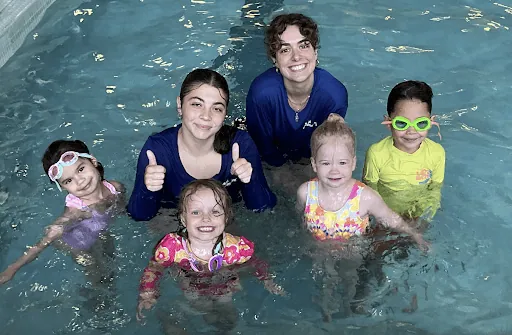
Looking for the best swimming lessons Toronto has to offer? Learn how to choose a swim school that prioritizes safety, confidence, and real progress for kids.
January 24, 2026
Safety
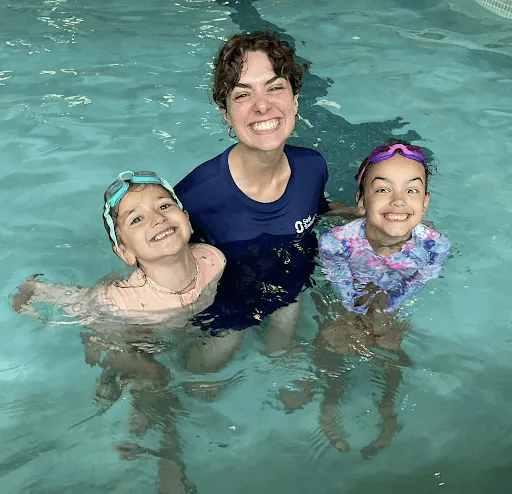
Discover how kids swimming lessons Toronto families trust help children build confidence, independence, and water safety skills in a fun, supportive swim school.
January 19, 2026
Lifeguards, assistant lifeguards and swim teachers on every shift, with one team leader per deck and Water Safety Standards taught at every level.
Read our safety protocolsAnswer a few questions and we will point you to the right program, level and pool.


